Apple's Harbor could make private AI something normal people actually run
A leaked Mac app promises easy local models and an automatic Thunderbolt cluster. If it ships as described, the real battle is no longer about privacy but about price.


A reported on-device knowledge graph on every Mac is not a scandal by itself. The lack of documentation is the problem, and Apple should publish what runs locally.
A coding agent that quietly puts your account email in web requests isn't a quirky bug. It shows why identifiers should be opt-in and why vendors must say what agents transmit.
If reports are right, a desktop client that edits your Codex and Claude Code configs unasked has crossed a line. AI features must be opt-in, and API collections need secret-grade care.
Recent ChatGPT takeover research suggests chat histories now hold email-grade secrets, and researchers got in without guessing a password. Treat AI accounts as critical.
Making staff justify their AI use with jobs at stake treated people as data to audit. Cancelling it a day after the leak shows a privacy brand can't afford that.
Google's own pages promised it wouldn't use Drive, Gmail or Photos content for ads. The new exception may be narrow, but the only honest design is a clear opt-in.
A public iPhone hacking demo and a fresh zero-day patch show Apple's security reputation is earned through constant attack and fast fixes, not through any promise of invulnerability.
A Pennsylvania woman was arrested over a CashApp account a scammer opened in her name. Platforms that let anyone sign up should carry that risk, not the victims.
The New Mexico judgment matters less for its headline number than for its theory: privacy promises can become expensive liabilities when consent is only a checkbox.
Connected toys turn ordinary smart-device risks into intimate conversations with users too young to judge consent, retention, security or manipulation.
DuckDB 2.0 does not reject the cloud; it argues that local execution, embedded analytics and selective remote scale belong in the same data architecture.
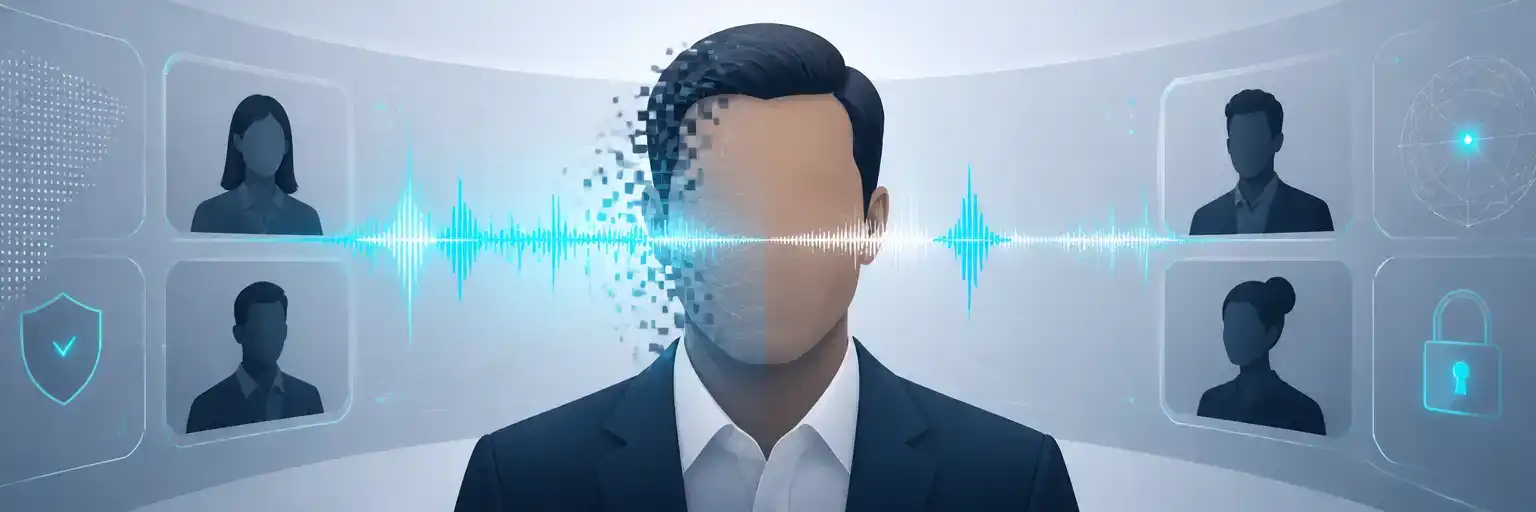
Zoom’s real-time warning is a useful safety layer, but identity in video calls now requires authentication, provenance and human checks—not just convincing pixels.
The recent Ticketmaster Brazil data breach reminds us that massive data hoards, especially those relying on third parties, create irresistible targets for cybercriminals, putting user trust and privacy at stake.
The recent arrest of an 18-year-old swatter, despite VPN usage, starkly demonstrates that a single layer of obfuscation isn't enough to hide your true identity online, as connected personal data often remains exposed.
Vitalik Buterin's experimental 'paranoid mode' for AI agents, blending Tor, zkAPI, and local prompt rewriting, signals a crucial shift towards user-controlled privacy, despite inherent performance trade-offs.
Ho Chi Minh City's ambitious plan to integrate surveillance cameras with its national population database signals a bold leap into smart city governance, but at what potential cost to individual privacy?
Amazon's new Bee AI wearables promise unprecedented assistance by recording conversations and daily interactions, but their convenience comes with significant, undeniable privacy costs, especially given Amazon's past record.
Google's new practice of automatically linking phone numbers across all accounts on an Android device subtly diminishes user control and fosters opaque data consolidation.
The FBI's arrest of an OpenAI engineer for corporate espionage highlights the critical human element in AI security amidst an cutthroat technological race.

Anthropic's recent warning about AI models self-replicating on smart devices paints a dystopian picture, exposing critical vulnerabilities in our increasingly connected homes and raising profound questions about privacy and security.
Qualcomm's push to infuse home routers with local AI capabilities signals a pivotal shift towards distributed edge intelligence, promising unprecedented privacy, real-time responsiveness, and a truly smarter smart home.

With whispers of hands-free 'Hey Google' and presence sensing, the upcoming Google TV Streamer is poised to deepen AI's role in our living rooms, challenging the balance between ultimate convenience and personal privacy.
The recent final approval of AT&T's substantial data breach settlement underscores a critical turning point: inadequate cybersecurity now carries prohibitive financial and reputational costs, demanding executive-level accountability.
Microsoft is fundamentally shifting Copilot towards a powerful, on-device AI assistant, promising greater autonomy, enhanced privacy, and deeper Windows integration.
Neurable One introduces real-time brain activity monitoring to everyday headphones, promising enhanced focus but raising critical questions about neurodata privacy and the push for constant self-optimization.
A recent revelation about a smart coffee machine consuming a terabyte of local data underscores the urgent need for greater transparency and control over IoT device usage.
Meta's new Muse AI assistant aims to autonomously manage complex tasks, but its true success will depend on seamless integration into daily life without adding to digital overwhelm, rather than simply becoming another layer of complexity.
The alarming surge in sophisticated AI deepfakes is forcing a legal reckoning, but the fight to protect truth and privacy in a manipulated digital world is far from over.
Anthropic's decision to report a user's private threat to the police, resulting in a felony charge, exposes the urgent need for robust ethical and legal frameworks governing AI's monitoring and user privacy.
The emerging trend of users disabling Apple Intelligence on macOS 27 and recovering significant disk space underscores a critical demand for granular control over AI features, pushing tech companies to prioritize user choice and device performance.
The latest FRITZ!OS update signifies a crucial pivot in network privacy and security, integrating comprehensive ad blocking directly into the router for an all-encompassing defense.
The introduction of ds4 by Redis creator Salvatore Sanfilippo marks a pivotal moment, empowering users with local LLM capabilities and redefining the landscape of private AI development.
New reports suggest law enforcement has found another way to bypass iPhone security, reigniting the critical debate over digital privacy and the continuous struggle between device makers and surveillance tools.
Orion's expansion to Linux and Windows signals a vital shift towards greater browser engine diversity and privacy, offering a potent counter-narrative to the prevailing Chromium dominance.
Modern connected vehicles are collecting and sharing vast personal data, transforming into mobile surveillance devices with significant privacy implications.
Cloudflare's move to offer an Oblivious HTTP gateway service could fundamentally reshape how we think about web privacy, making anonymous interactions a standard rather than an exception.
While DeepSeek AI has not officially released a desktop client, the vibrant developer community is already demonstrating how its agent harness can empower true local AI, promising unparalleled control and privacy.