Teknosfera Newsroom
One bad week isn't a conspiracy. It's a concentration problem
Apple's outage joined airlines, banks, email and the NSA in a rough week, and the pattern points less to hackers than to fragile, concentrated systems.
Apple's outage joined airlines, banks, email and the NSA in a rough week, and the pattern points less to hackers than to fragile, concentrated systems.
The first OLED MacBook Pro gets headlines for nits and contrast, not for how its panel dims. For people sensitive to flicker, that silence is the real story.
A leaked Mac app promises easy local models and an automatic Thunderbolt cluster. If it ships as described, the real battle is no longer about privacy but about price.
A reported on-device knowledge graph on every Mac is not a scandal by itself. The lack of documentation is the problem, and Apple should publish what runs locally.
John Ternus turns restraint into principle while rivals sprint. It's smart positioning, but principle without useful features is just a polite word for late.
Putting Alibaba's Qwen inside Siri is a smart way into China, but it shows "global" AI is becoming regional forks, with a different, more controlled assistant on each side of a border.
A trade-secrets lawsuit set for July 2027 shows how fragile pacts between platform owners and model makers are, and why in-house AI is the safe bet.
Apple mocked touchscreen laptops for years, then built a $2,899 one. The real question isn't hardware: it's whether macOS was finally designed for fingers.
The $11.57B deal is less about 24 satellites than about spectrum, Apple's iPhone features and a shot at Starlink's lead in direct-to-device connectivity.
A Federal Court order, not Apple's goodwill, is reopening the iPhone in Australia. Developers elsewhere should expect the same fight, and the security excuse is wearing thin.
A public iPhone hacking demo and a fresh zero-day patch show Apple's security reputation is earned through constant attack and fast fixes, not through any promise of invulnerability.
Recent reports of OpenGL rendering failures in macOS 15.8.2 are a potent reminder of Apple's long-standing push to abandon the aging API, forcing developers to migrate to Metal or risk obsolescence.
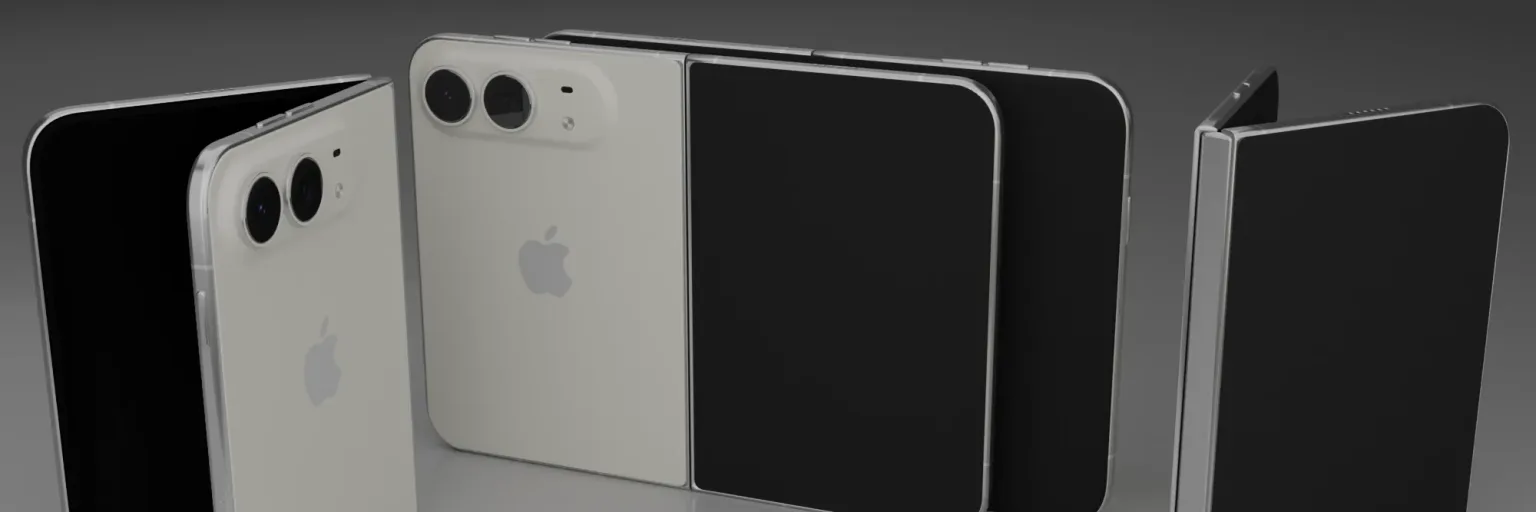
Apple's audacious pricing for the new iPhone Duo confirms its strategy of banking on brand prestige and innovative hardware to captivate a loyal, premium market, solidifying its position at the luxury forefront.
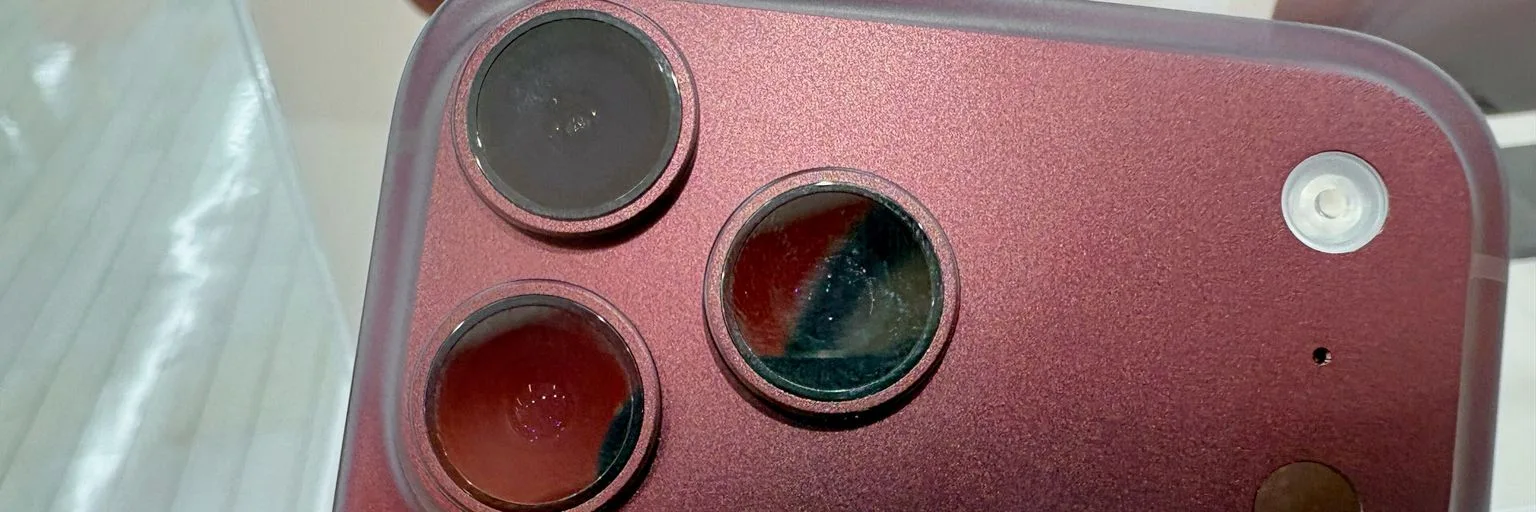
Apple's latest flagship pushes smartphone photography to professional levels with granular controls and an innovative authenticity feature, reshaping expectations for mobile creators.
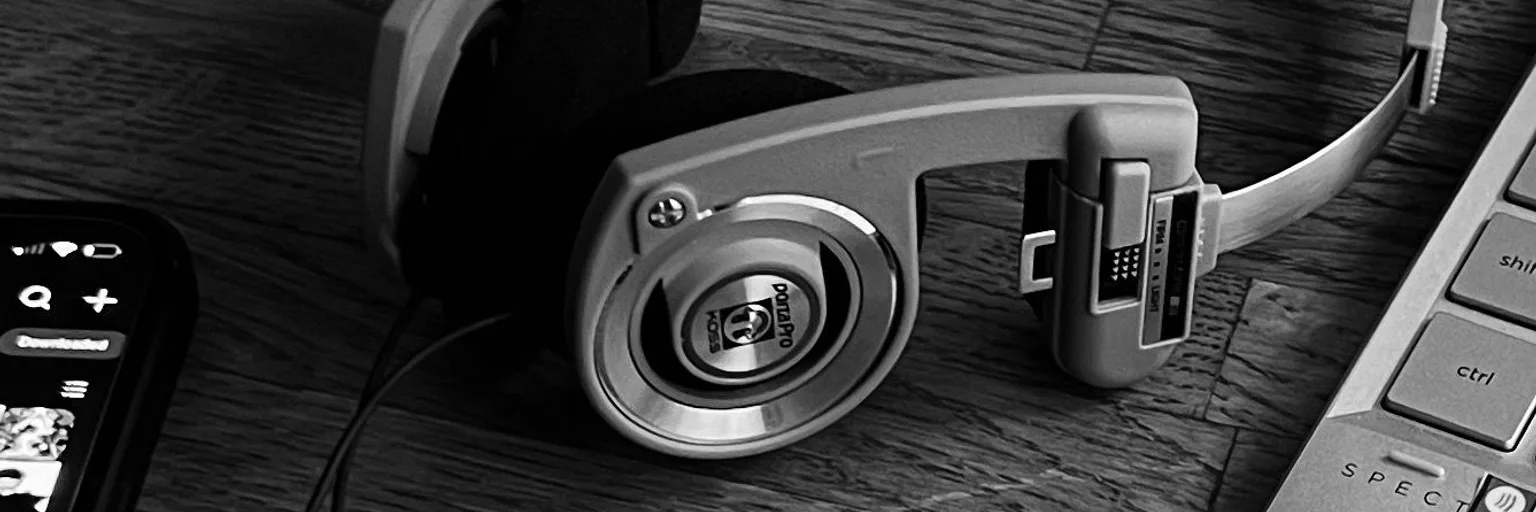
The surprising resurgence of wired headphones signals a profound consumer shift, prioritizing superior audio fidelity and a break from digital fatigue over wireless freedom.
With an unexpected October event focused squarely on the smart home, Apple seems poised to either tighten its ecosystem grip with advanced AI or finally contend with rivals in a maturing market.
The long-rumored touchscreen MacBook Pro represents a monumental shift in Apple's design principles, poised to redefine macOS and challenge the established norms of premium laptops.
New local-first AI tools for macOS are revolutionizing personal media management, moving beyond simple tags to contextual understanding and making vast digital libraries easily navigable and searchable.
The emerging trend of users disabling Apple Intelligence on macOS 27 and recovering significant disk space underscores a critical demand for granular control over AI features, pushing tech companies to prioritize user choice and device performance.
New reports suggest law enforcement has found another way to bypass iPhone security, reigniting the critical debate over digital privacy and the continuous struggle between device makers and surveillance tools.