Connected Cars: Your Personal Data's New Surveillance Device
Modern connected vehicles are collecting and sharing vast personal data, transforming into mobile surveillance devices with significant privacy implications.
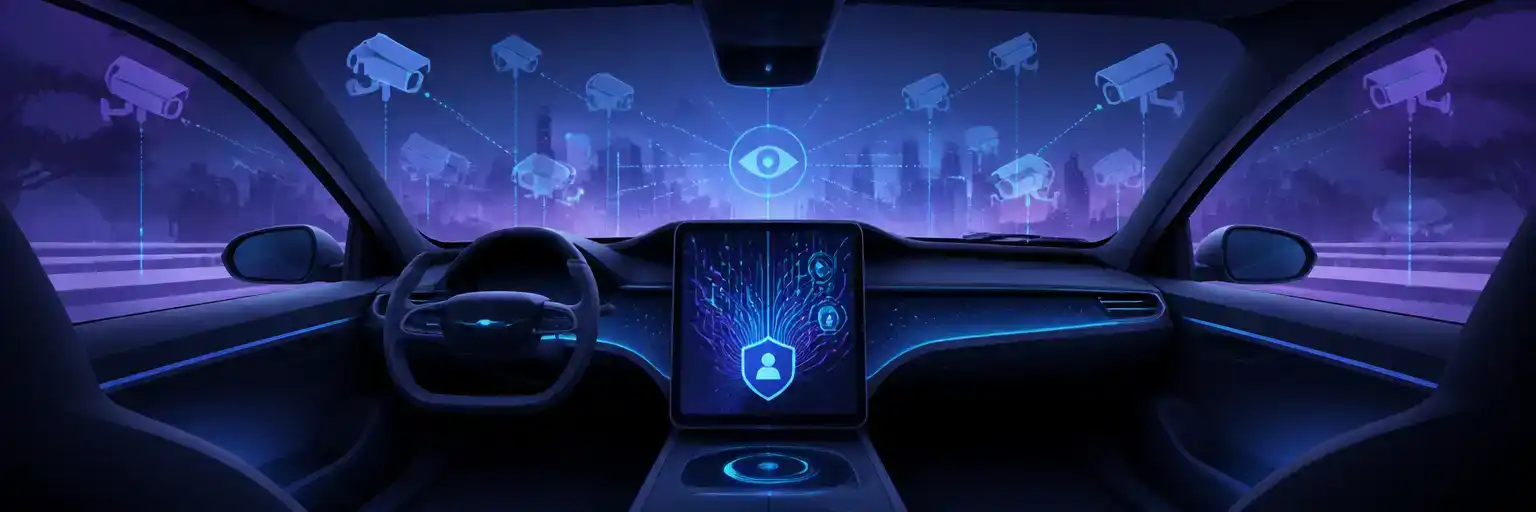
AI-generated image
Could the most significant privacy threat in your life be sitting in your driveway? The rise of connected vehicles, while promising convenience and enhanced safety, has quietly ushered in an era where our cars are no longer just modes of transport, but sophisticated data collection devices. The discussion sparked by recent studies underscores a growing concern: the extent to which our personal and behavioral data is being harvested and shared by modern vehicles.
These vehicles are essentially rolling 'universes of sensors,' as El País points out, gathering everything from location and driving habits to sensitive personal information. The critical issue arises when this data isn't kept local but transferred outside the vehicle, creating a complex web of privacy risks that demand our immediate attention and scrutiny.
The Unseen Sensors: A Data Goldmine on Wheels
Modern cars are equipped to capture an astonishing array of information, far beyond what many consumers might imagine. Studies, including a Mozilla report, indicate that these vehicles often collect more data than even other personal devices we carry daily, as TechPolicy.press highlights. This isn't just about how fast we accelerate or where we drive; it encompasses details like our VINs and other identifiers, painting a comprehensive picture of our daily lives. The implications for individual privacy are profound when every trip becomes a data point, contributing to an ever-expanding digital profile.
Beyond Telemetry: Who Gets Your Data?

The real discomfort sets in when we consider where all this data goes. Recent findings published by Consumer Reports and Ars Technica confirm that this wealth of driver data is routinely shared with advertisers and major tech firms. This practice turns our vehicles into active participants in the surveillance economy, where our movements, preferences, and even our most mundane habits become commodities. The notion that our car, a space traditionally seen as private, is actively funneling data to third parties for commercial gain is a fundamental challenge to our expectations of digital autonomy.
The Illusion of Control: Challenging Data Ownership
Perhaps the most unsettling aspect of this trend is the significant lack of control users have over their own data. The question of who truly owns the data emanating from connected cars remains complex, involving various stakeholders and often leaving consumers in the dark, as explored by the Texas A&M Transportation Institute. The lack of adequate security and management for the data generated by connected vehicles further exacerbates these privacy concerns, as researchers point out on arXiv.
While organizations like the FTC have highlighted concerns regarding the unlawful collection and use of consumer data from connected cars, the onus often falls on individuals to protect themselves. Experts from RACE advise caution with the data downloaded into a private vehicle, suggesting avoiding important personal information. Ultimately, we believe that consumer demand for better security and clear data privacy practices, like the 62% of consumers who told IBM they would consider another brand if it had better security, will be critical in driving change in this evolving automotive landscape.
No topics yet: start the first one.
More stories
The End of Passwords: Why Passwordless Authentication Isn't Just a Trend
Cybersecurity experts are pushing for an authentication evolution, and the rapid growth of passwordless solutions signifies a permanent shift in how we secure our digital lives.

Cloudflare OHTTP Gateway: The quiet revolution in online privacy
Cloudflare's move to offer an Oblivious HTTP gateway service could fundamentally reshape how we think about web privacy, making anonymous interactions a standard rather than an exception.

The Unending Battle: Linux Kernel Vulnerabilities Demand Constant Vigilance
The ongoing stream of critical vulnerabilities in the Linux kernel demands continuous vigilance and proactive security measures, especially considering its pervasive use across critical infrastructure and embedded systems.