Deepfakes and the Law: A Digital Wild West No More?
The alarming surge in sophisticated AI deepfakes is forcing a legal reckoning, but the fight to protect truth and privacy in a manipulated digital world is far from over.
AI-generated image
The rapid advancement of AI has introduced a profound question into our daily lives: what is real? With generative artificial intelligence now capable of crafting images, audio, and videos that are virtually indistinguishable from genuine content, the very concept of digital truth is under assault. This isn't merely an academic debate; it has tangible, often devastating, consequences, from election interference to the proliferation of non-consensual intimate imagery, compelling society to grapple with new legal and ethical quandaries at an unprecedented pace.
Deepfake incidents surged by an astonishing 257% in 2024, with the first quarter of 2025 alone seeing 19% more incidents than the entire previous year. This proliferation isn't just about sophisticated hoaxes; it's about altering perception on a fundamental level, threatening to erode the fundamental trust in what we see and hear. The legal system, traditionally slow to adapt, is now scrambling to erect guardrails against this rapidly evolving threat, but the path is fraught with challenges and ethical dilemmas.
Weaponizing Perception: Deepfakes in Politics
The political arena has proven fertile ground for deepfakes, where fabricated content can sow distrust and sway public opinion with alarming speed. Generative AI can convincingly imitate elected leaders, synthesize audio in anyone's voice, and generate realistic images or videos. This specious content is especially dangerous in the lead-up to an election, when there is little time to debunk it before voters head to the polls. Recent history offers stark warnings.
In the days before Slovakia’s October 2023 election, deepfake audio recordings, seemingly depicting Michal Šimečka, leader of the pro-Western Progressive Slovakia party, discussing election rigging and doubling beer prices, went viral on social media. While some clips included disclaimers, they often appeared 15 seconds into 20-second audios, leading researchers to suggest deliberate deception. Šimečka’s party ultimately lost a close election, prompting speculation that these late-circulating deepfakes influenced the outcome, a concerning precedent for democracies worldwide.
The United States is already seeing AI's influence in campaigns. The 2024 election cycle, for instance, saw Republican primary candidates employing AI in campaign advertisements. Florida Gov. Ron DeSantis's campaign famously released AI-generated images of former President Donald Trump embracing Anthony Fauci, a figure who has become a lightning rod among many Republican voters. As AI tools grow more sophisticated, we can expect an even greater influx of deceptive communications in political contests, necessitating a robust legal and societal response.
The Scourge of Non-Consensual Imagery
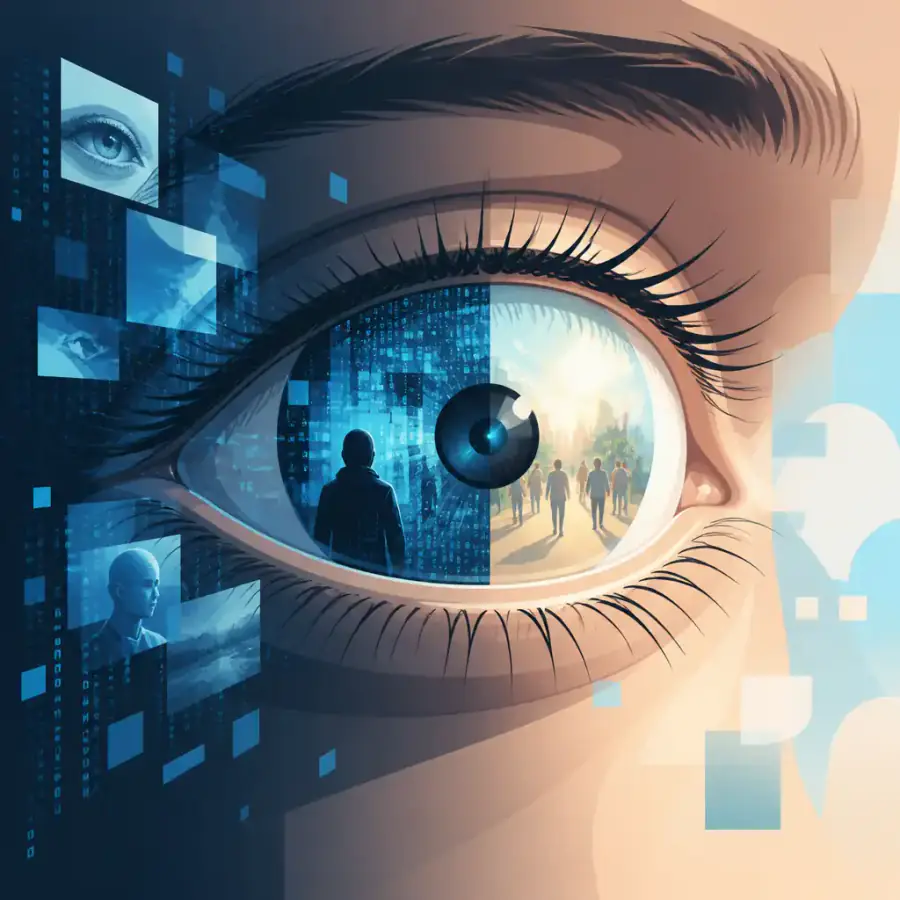
Beyond political manipulation, one of the most widespread and heinous uses of deepfake technology is the creation of non-consensual intimate imagery (NCII). A staggering 96% of deepfake videos online are non-consensual pornography, with women overwhelmingly as victims. This represents a horrifying new form of gender-based abuse that strips individuals of their privacy and dignity, often making it nearly impossible for victims to have these fake explicit videos removed from the internet. This issue has propelled legislators to action, leading to some of the most concrete deepfake laws to date.
In the US, the TAKE IT DOWN Act (Tools to Address Known Exploitation by Immobilizing Technological Deepfakes on Websites and Networks Act) was signed into law by President Donald Trump on May 19, 2025. This bipartisan bill, championed by Senator Ted Cruz after an incident involving Texas high school students, criminalizes the publication of NCII, with penalties up to two years imprisonment for adult victims and harsher sentences for images involving minors. The law also requires websites and social media services to remove such images within 48 hours of a victim's request. The first conviction under the Act occurred in April 2026, sentencing an Ohio man to 15 years for creating and sharing NCII of adults and children.
The Patchwork of Laws and Looming Challenges
While the TAKE IT DOWN Act marks a significant federal step, the overall US approach to deepfake regulation remains a complex
No topics yet: start the first one.
More stories
Connected Cars: Your Personal Data's New Surveillance Device
Modern connected vehicles are collecting and sharing vast personal data, transforming into mobile surveillance devices with significant privacy implications.

The End of Passwords: Why Passwordless Authentication Isn't Just a Trend
Cybersecurity experts are pushing for an authentication evolution, and the rapid growth of passwordless solutions signifies a permanent shift in how we secure our digital lives.

Cloudflare OHTTP Gateway: The quiet revolution in online privacy
Cloudflare's move to offer an Oblivious HTTP gateway service could fundamentally reshape how we think about web privacy, making anonymous interactions a standard rather than an exception.

The Unending Battle: Linux Kernel Vulnerabilities Demand Constant Vigilance
The ongoing stream of critical vulnerabilities in the Linux kernel demands continuous vigilance and proactive security measures, especially considering its pervasive use across critical infrastructure and embedded systems.