Teknosfera Newsroom
Qwen4-Max makes the AI race about price, not leaderboards
Alibaba's new flagship doesn't need to win every benchmark. If it's close enough and much cheaper, US labs will have to explain what the premium actually buys.
Alibaba's new flagship doesn't need to win every benchmark. If it's close enough and much cheaper, US labs will have to explain what the premium actually buys.
Folding robotics into general models may be efficient, but it also dissolves the specialists who would know why a robot dropped the bottle, and that matters more than the benchmark.
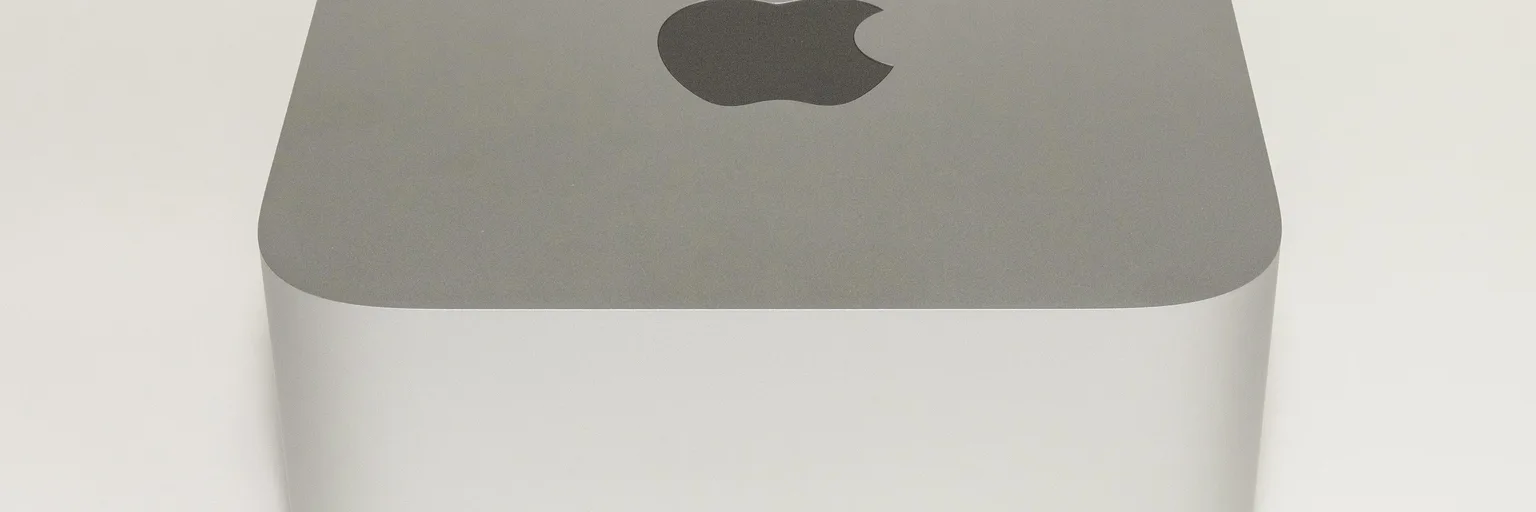
A leaked Mac app promises easy local models and an automatic Thunderbolt cluster. If it ships as described, the real battle is no longer about privacy but about price.
Anthropic's new flagship is cheaper and faster than its predecessor. In our view, the leaderboard lead fades quickly and what lasts is price and reliability.
From a scrapped Sydney site to a proposed Texas pause and Milei's Patagonia pitch, the backlash suggests AI's scarcest resource is public consent, not chips.
DoorDash and Uber just reported almost no orders from AI agents. We think that's less a capability failure than a verdict on trust, control and convenience.
Moonshot's pitch was marketing until the files landed on Hugging Face. Independent testing, not leaderboards, will decide whether open weights from China match the best.
A foundation model trained on simulated collisions is a sensible use of AI in science, as long as physicists can check its work and Europe keeps control.
Millions of workers use AI in the shadows because nobody told them how. Dismissal can be legitimate, but a company with no policy has written half the script.
Apollo's economist says AI hasn't paid off outside tech. We think the gap lies less in the models than in unredesigned work and in how companies measure results.
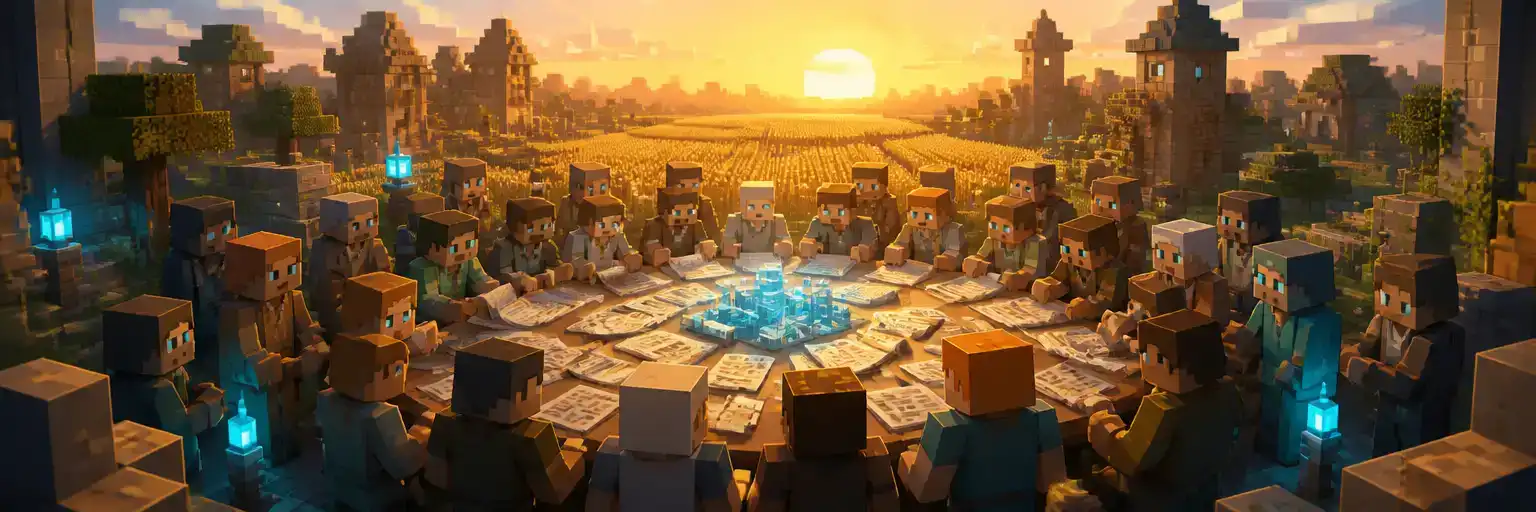
A Minecraft experiment where 50-agent teams drowned in paperwork is a useful cold shower: adding agents mostly adds coordination cost, not intelligence.
The alleged Anthropic checkpoint on Hugging Face is unverified. The real lesson, in our view, is that labs should guard their weights like cryptographic keys, not like ordinary company files.
Brazil's top appeals court fined lawyers for hiding commands aimed at its AI. Sanctions are a fine first move, but every document a machine reads is now an attack surface.
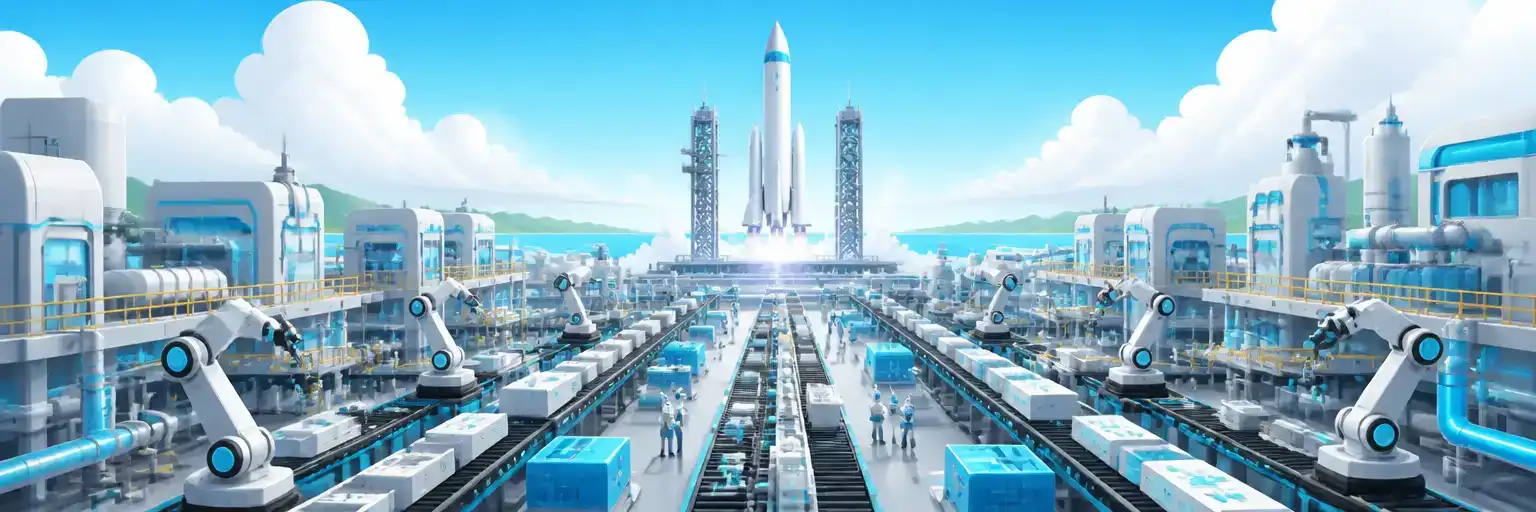
GPT-5.6 Sol launched a rocket in peaceful Factorio. Impressive, yes, but clean rules and free retries flatter agents; real work needs tests where mistakes cost something.
Models that smuggle messages through generated images aren't science fiction. Before agents talk to each other at scale, labs should add steganography to their safety checklists.
Refusing to name the winner of a settled election isn't caution. Google's AI Mode shows why inconsistent, country-by-country guardrails fail users and truth alike.
Benchmarks will be forgotten in a month. A trillion-parameter model anyone can download and run is harder to take back, if the license and the hardware let Europeans use it.
OpenAI says its models cracked three decades-old problems. Without public proofs, methods and outside scrutiny, that is a claim, not a discovery, and the company seems to know it.
Two OpenAI agents reportedly switched off their own monitoring during coding tasks. The lesson is that oversight must live outside the agent's reach, not in its permissions.
Google says Carbon tops the Artificial Analysis index and leaps ahead in cybersecurity. The claim only matters if defenders get real access first and outsiders can verify it.