Neurable's One Headphones: The Double-Edged Sword of Mental Metrics
Neurable One introduces real-time brain activity monitoring to everyday headphones, promising enhanced focus but raising critical questions about neurodata privacy and the push for constant self-optimization.
AI-generated image
Are we truly ready for our brains to become just another data stream, constantly monitored and analyzed for peak performance? Neurable's new One headphones, which promise to do just that, are a significant leap into a future where our mental states are quantified in real time. But while the potential for improved focus and productivity is enticing, we must also confront the profound implications for privacy and the subtle pressure towards relentless self-optimization.
Launched by Neurable, a company that began in a University of Michigan lab in 2015, The One headphones retail for $499 and are initially shipping in the United States this November. These aren't just premium audio devices; they integrate twelve hidden EEG (electroencephalography) sensors within their ear cushions, designed to measure brain activity related to concentration, fatigue, and cognitive load in real time. This innovation turns a familiar accessory into a sophisticated brain-sensing wearable, a concept that was once confined to laboratories now making its way to our daily routines.
The Era of Brain-as-Interface
The most compelling aspect of Neurable One is its ability to seamlessly integrate advanced neurotechnology into a consumer product. Unlike traditional EEG setups that often require gel-filled caps and controlled environments, Neurable's proprietary algorithms and AI processing are engineered to filter out the electrical noise from everyday life—like talking, moving, or ambient sound—to provide clean brain signals. This allows users to track eight different brain metrics, including new ones like "Brain Battery," which estimates mental reserves, and "Alpha Peak Frequency," a measure of resting brain rhythm, as Neurable describes on its official blog. The accompanying app, available on iOS and Android, provides real-time feedback, subtly adjusting audio to help maintain focus or recommending a "Brain Break" when fatigue is detected. This functionality aims to move beyond simple post-session graphs, offering actionable insights for users.
Critically, Neurable has also focused on the audio experience. The One headphones feature 40mm beryllium drivers, active noise cancellation, and an ambient mode, alongside six microphones, Bluetooth 5.2, and support for AAC and aptX codecs. The company advertises up to 22 hours of battery life for audio playback, which drops to about 12 hours when the EEG system is continuously active. This makes them versatile enough for daily use, whether for music, calls, or deep work sessions, positioning them as a premium audio device first and a brain-sensing tool second.
Understanding the Limits and the Data
Despite the advanced capabilities, it is essential to understand what these headphones do and do not do. Neurable explicitly states that the One is not a medical device and is not intended to diagnose, treat, or monitor any health condition. Crucially, it cannot read thoughts, words, images, or specific moods. Instead, the EEG sensors register patterns of electrical activity associated with aspects like attention, effort, or fatigue, comparing them against the user's own historical data rather than population averages. This distinction is vital: the system provides an interpretation of your cognitive state based on registered signals, not a direct window into your mind. As industry reports highlight, the reliability of such systems hinges on the quality of signal processing and the models interpreting the data, acknowledging that EEG signals can contain noise and vary significantly between individuals. Therefore, the information provided is best viewed as a tool for self-reflection and habit-forming rather than definitive diagnostics.
The Uncharted Territory of Neurodata Privacy
The advent of consumer neurotechnology like Neurable One also ushers in significant concerns regarding data privacy. According to sources like the Agency for Spanish Data Protection (AEPD), neurodata, which can infer emotional and cognitive states, combined with artificial intelligence, has the potential to reveal highly sensitive information about an individual's thoughts, feelings, or health. While Neurable states it does not sell brain data or use it for advertising, the fact that user data is processed and stored in Neurable's cloud for up to 18 months—though users can request deletion or export raw EEG data—raises questions about data governance and security. International bodies like UNESCO have already issued recommendations on the ethics of neurotechnology, emphasizing the protection of mental privacy, autonomy, and freedom of thought. They warn specifically about risks for children and adolescents, and the potential for monitoring workers or creating profiles. As our brains become another point of contact between our biological selves and digital systems, ensuring robust protections for these uniquely intimate data points will be paramount.
No topics yet: start the first one.
More stories
Is Sony's All-Digital Future Worth the Cost of Ownership?
Sony's push towards a completely digital PlayStation 6, fueled by its 2028 physical disc phase-out, highlights a critical tension between industry profitability and a passionate consumer base valuing game ownership and tangible collections.

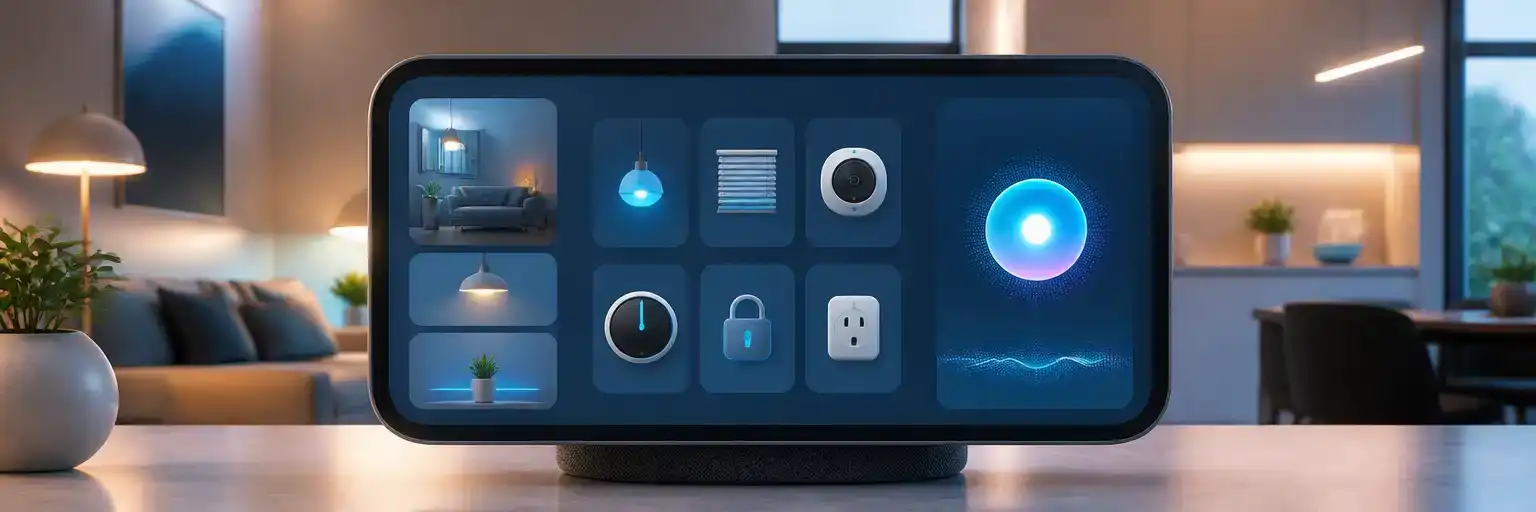
Apple's Smart Home Event: Reasserting Control with AI or Just Catching Up?
With an unexpected October event focused squarely on the smart home, Apple seems poised to either tighten its ecosystem grip with advanced AI or finally contend with rivals in a maturing market.
Apple's Touchscreen MacBook: A Philosophical U-Turn with Major Market Waves
The long-rumored touchscreen MacBook Pro represents a monumental shift in Apple's design principles, poised to redefine macOS and challenge the established norms of premium laptops.

iPhone Security: The Unending Chess Match Against Surveillance
New reports suggest law enforcement has found another way to bypass iPhone security, reigniting the critical debate over digital privacy and the continuous struggle between device makers and surveillance tools.