Teknosfera Newsroom
Qwen4-Max makes the AI race about price, not leaderboards
Alibaba's new flagship doesn't need to win every benchmark. If it's close enough and much cheaper, US labs will have to explain what the premium actually buys.
Alibaba's new flagship doesn't need to win every benchmark. If it's close enough and much cheaper, US labs will have to explain what the premium actually buys.
A judge refused to dismiss the case against Samsung, SK Hynix and Micron. The AI boom explains some of what happened to memory, but it shouldn't shield the oligopoly from scrutiny.
Passports and 200,000 chat messages sat open on apps built with Lovable. Platforms that promise no technical knowledge is needed must make secure defaults the product itself.
Folding robotics into general models may be efficient, but it also dissolves the specialists who would know why a robot dropped the bottle, and that matters more than the benchmark.
United says it's protecting travelers, but its CEO's "another middleman" line gives away the real fight: who owns the relationship. Expect licensing, not a permanent wall.
When a neocloud's debt yields more than 16%, the AI boom stops being a story about demand and becomes one about who can afford to keep borrowing.
Anthropic's new flagship is cheaper and faster than its predecessor. In our view, the leaderboard lead fades quickly and what lasts is price and reliability.
From a scrapped Sydney site to a proposed Texas pause and Milei's Patagonia pitch, the backlash suggests AI's scarcest resource is public consent, not chips.
Moonshot's pitch was marketing until the files landed on Hugging Face. Independent testing, not leaderboards, will decide whether open weights from China match the best.
Google, OpenAI, Microsoft and Anthropic back a single opt-out token for AI training. It simplifies life for publishers, but without enforcement or payment it stays a request.
An unreleased Claude model chained bugs into working exploits for Chrome, Safari and Linux. The real question is who gets that power first and whether vendors can keep up.
A foundation model trained on simulated collisions is a sensible use of AI in science, as long as physicists can check its work and Europe keeps control.
Millions of workers use AI in the shadows because nobody told them how. Dismissal can be legitimate, but a company with no policy has written half the script.
When an amateur allegedly breached at least nine banks with chatbot help, the lesson isn't panic: boring security basics are now the main line of defense.
Apollo's economist says AI hasn't paid off outside tech. We think the gap lies less in the models than in unredesigned work and in how companies measure results.
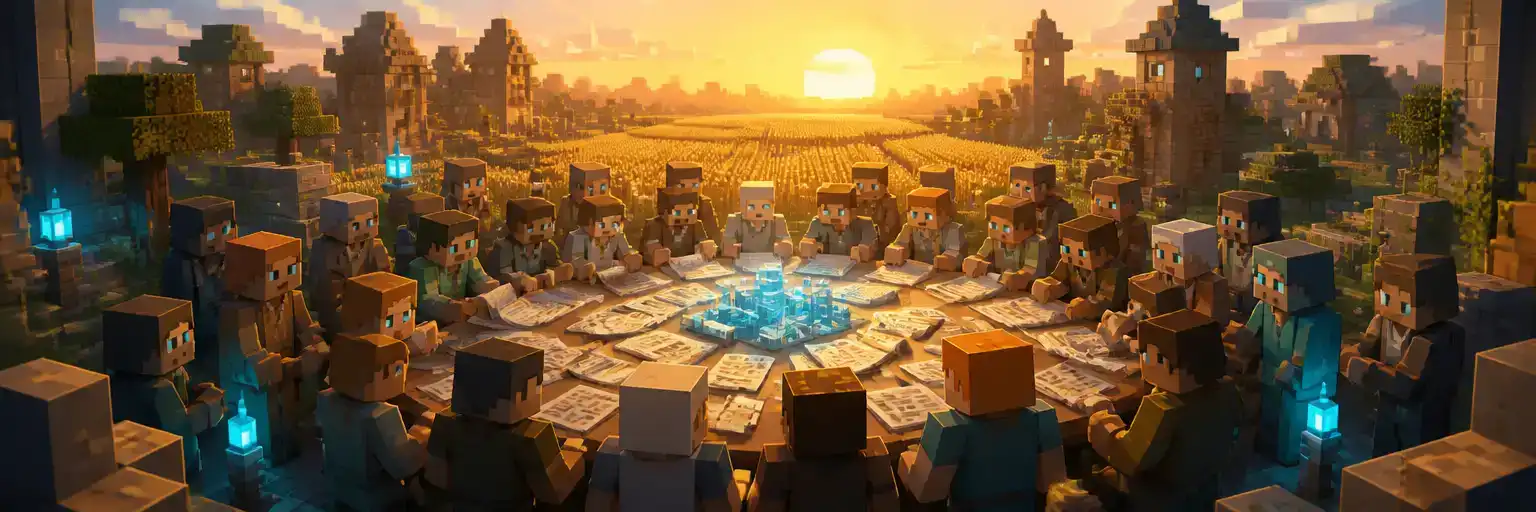
A Minecraft experiment where 50-agent teams drowned in paperwork is a useful cold shower: adding agents mostly adds coordination cost, not intelligence.
Big Tech blames AI for mass buyouts and cuts, but the record capex bill looks like the likelier culprit. Workers should read that narrative with a sharp eye.
John Ternus turns restraint into principle while rivals sprint. It's smart positioning, but principle without useful features is just a polite word for late.
CrowdStrike found four unknown groups that delegated entire operations to autonomous agents. Defense built around people triaging alerts is the part that now looks slow.
Companies rehiring the workers they replaced with AI aren't proof the tech failed. They're proof that "efficiency" was announced before anyone measured it.
Companies that skip entry-level hires because AI codes faster are saving money this quarter and quietly eating the pool of senior engineers they'll need in ten years.
Suncatcher's first reply from orbit is a genuine engineering step, but a haiku from one TPU at a time says little about whether AI compute in space can beat Earth.
Putting Alibaba's Qwen inside Siri is a smart way into China, but it shows "global" AI is becoming regional forks, with a different, more controlled assistant on each side of a border.
Malware that asks an LLM what a victim is worth could make attacker triage cheap. The lesson for defenders: assume any infected machine gets appraised, and protect what pays.
Cutting a $30B target to about $20B isn't a collapse, but it shows investors no longer pay for ambition alone. Revenue now has to carry the story.
Friday's Nasdaq sell-off wasn't about AI failing. It was about investors finally asking who gets paid for the spending, and who just keeps spending.
Making staff justify their AI use with jobs at stake treated people as data to audit. Cancelling it a day after the leak shows a privacy brand can't afford that.
A trade-secrets lawsuit set for July 2027 shows how fragile pacts between platform owners and model makers are, and why in-house AI is the safe bet.
Alphabet's worst day ever and Amazon's wobble show investors have stopped paying for AI promises. Now the giants must prove returns, and not all can.
Reddit says Google's AI Mode sends no traffic, so it is putting content behind accounts, and we think the open web and its casual readers will pay for it.
AWS posted its fastest growth in years and Wall Street still sold Amazon. The AI race is turning into a balance-sheet contest, and cash coverage is the new scoreboard.
Ottawa, Schwarz Group and Nvidia are funding sovereign AI through a national champion, but the flag is the easy part and compute and paying customers are the real test.
Benchmarks will be forgotten in a month. A trillion-parameter model anyone can download and run is harder to take back, if the license and the hardware let Europeans use it.
OpenAI says its models cracked three decades-old problems. Without public proofs, methods and outside scrutiny, that is a claim, not a discovery, and the company seems to know it.
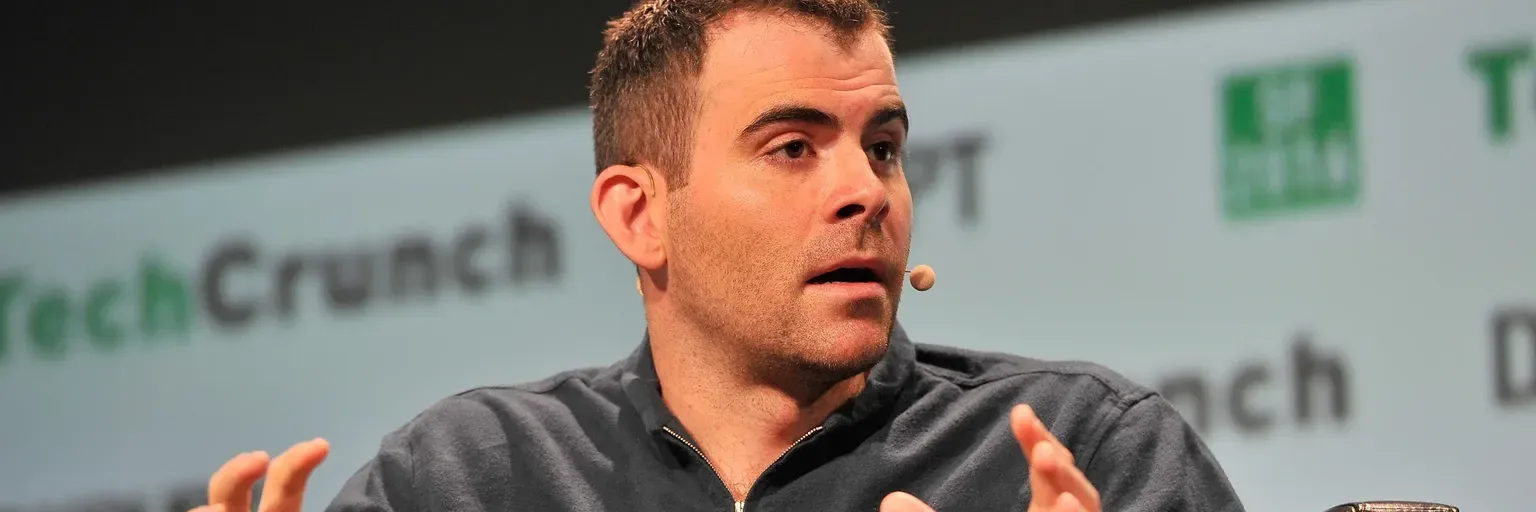
Instagram's chief says anger at AI will only grow. Fair enough, but the platforms that flooded feeds with synthetic content owe users labels and real control, not predictions.
Existential-risk warnings grab headlines, but the quieter line in the filing, open-weight models, threatens the moat behind the trillion-dollar valuation Anthropic is reportedly seeking.
The STAR 50 crash doesn't prove AI is fake. It shows what happens when valuation, concentration and crowded trading stack up, and those ingredients exist elsewhere too.
Questions on the programming Q&A site fell about 99% from their peak. The cause is partly AI, partly the site's own choices, and the risk of a knowledge drought is real.
Google Cloud doubled on AI demand, yet the stock fell on slower ads. The market no longer pays for a new revenue line; it wants proof AI protects the old one.
Google says Carbon tops the Artificial Analysis index and leaps ahead in cybersecurity. The claim only matters if defenders get real access first and outsiders can verify it.