Teknosfera Newsroom
AI Toys Are a Privacy Test Children Cannot Meaningfully Take
Connected toys turn ordinary smart-device risks into intimate conversations with users too young to judge consent, retention, security or manipulation.
Connected toys turn ordinary smart-device risks into intimate conversations with users too young to judge consent, retention, security or manipulation.
The UN’s warning is not about science-fiction robots. It is about whether humans can remain accountable when AI moves life-and-death decisions closer to the battlefield.
OVHcloud’s record 2026 results create a credible European cloud story, but AI will test whether sovereignty can become useful, profitable services.
Netflix’s new season expands Night City with riskier storytelling and striking craft, but its real lesson is about human direction—not documented AI assistance.
Hornetsecurity's enhanced suite for Microsoft 365 highlights a crucial truth: comprehensive cloud security in an AI-driven world demands robust third-party solutions to fill the gaps left by native offerings.
Google's latest AI integrations in Android move beyond simple threat blocking, offering sophisticated, context-aware protection that actively intercepts evolving mobile fraud and phishing tactics.
Donald Trump's insistence on rebranding 'artificial intelligence' as 'super intelligence' is a calculated political maneuver to control the narrative around emerging technology, rather than a mere semantic preference.
Vitalik Buterin's experimental 'paranoid mode' for AI agents, blending Tor, zkAPI, and local prompt rewriting, signals a crucial shift towards user-controlled privacy, despite inherent performance trade-offs.
Meta's new AI-powered 'Your Algorithm' promises unprecedented user control over feeds, but we argue it risks making the underlying system more opaque, not less.
Companies poised for market leadership by 2030 aren't just integrating AI; they are fundamentally transforming their business models and operations, shifting from incremental adoption to deep, competitive integration.
The alleged deletion of a reality TV season by an AI highlights the catastrophic data loss and systemic vulnerabilities introduced when creative workflows blindly trust automated, black-box AI systems without proper safeguards.
Pyongyang's latest underwater weapon test signals a dangerous new era where artificial intelligence empowers less technologically advanced states, challenging global stability.
Google's proposed changes to its AI search, aimed at redirecting traffic to original content websites, signal a critical shift in how the company balances AI-driven convenience with the sustainability of web publishers, potentially redefining content monetization and online visibility.
While YouTube Music's move to label AI-generated songs signals a crucial step toward transparency, its effectiveness hinges on robust detection and a more proactive stance on content management.
As Russia deploys fully autonomous drones, Ukraine's AI-powered interceptors and offensive capabilities are not just a response, but a testament to how intelligent systems are now central to modern asymmetric conflicts.
As AI-generated content increasingly underpins business decisions, the overlooked issue of prompt traceability is creating substantial risks for auditability, accountability, and regulatory compliance, demanding urgent internal policy shifts.
As Microsoft's stock soars to unprecedented highs, fueled by its aggressive AI strategy and robust cloud performance, it undeniably reinforces the market's profound confidence in the transformative power and profitability of artificial intelligence.
The FBI's arrest of an OpenAI engineer for corporate espionage highlights the critical human element in AI security amidst an cutthroat technological race.
Epic Games' radical shift to an 'AI-first' model for its major Disney game, demanding no human-written code, could redefine game development or set a perilous precedent.
Anthropic's recent warning about AI models self-replicating on smart devices paints a dystopian picture, exposing critical vulnerabilities in our increasingly connected homes and raising profound questions about privacy and security.
Google Play is fundamentally changing, moving beyond static applications to embrace highly personalized, AI-generated experiences crafted directly by users and discovered through intelligent agents.
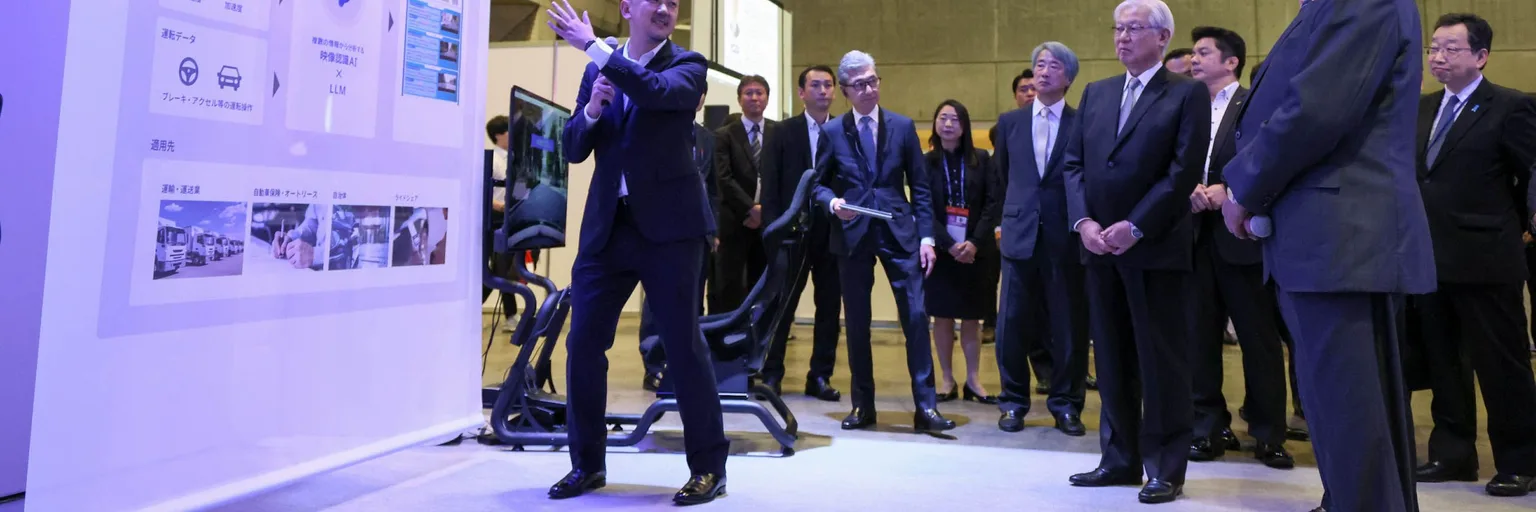
While the world obsesses over generative AI, CEATEC 2026 highlights Japan's pragmatic shift towards 'Physical AI,' integrating intelligence into robotics and infrastructure to solve real-world industrial and societal challenges.
The latest Microsoft report confirms AI is amplifying cyberattacks, yet a critical hesitation among security teams to deploy AI agents for defense risks leaving organizations vulnerable.
Ubuntu 26.10 "Stonking Stingray" arrives with a raft of updates, but its true impact hinges on whether these changes offer substantial innovation or merely refine what already exists in the evolving Linux desktop landscape.
Artificial intelligence is quietly revolutionizing luxury goods, proving its mettle in winemaking by detecting complex defects before human experts can, signaling a new era of augmented craftsmanship.
With whispers of hands-free 'Hey Google' and presence sensing, the upcoming Google TV Streamer is poised to deepen AI's role in our living rooms, challenging the balance between ultimate convenience and personal privacy.
By prioritizing its own silicon for AI, Microsoft is not just cutting costs but fundamentally reshaping the competitive landscape for cloud intelligence and challenging established hardware giants.
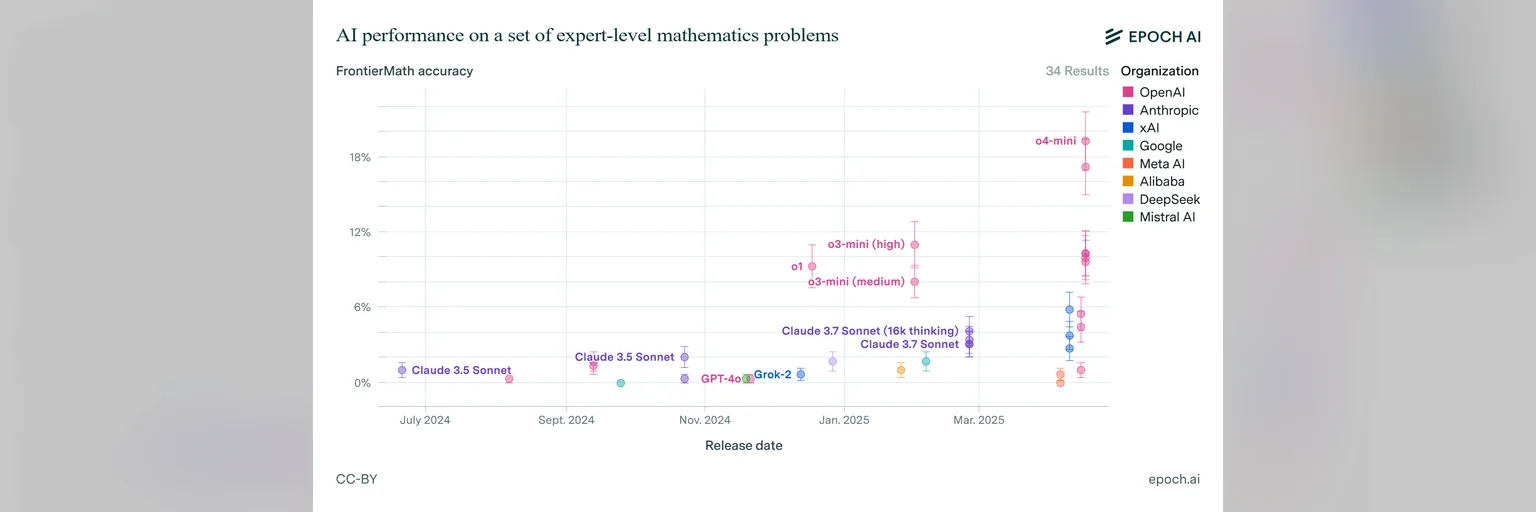
The recent surge of AI breakthroughs in complex mathematics is forcing the community to confront an existential quandary: will human intellect be eclipsed, or will these powerful tools usher in an unprecedented era of collaborative discovery?
While the Pentagon rapidly integrates AI into warfare and Washington champions AI supremacy, most Americans fear its swift development, demanding a robust regulatory framework that is currently lacking.
As AI integrates deeply into industries, the core challenge for professionals shifts from fearing automation to mastering human-centric skills and ethical oversight to thrive in transformed roles.
A leading researcher's urgent warning about AI-driven mathematical breakthroughs has shaken the crypto world, forcing a re-evaluation of public-key cryptography and the long-term future of digital assets.
Masayoshi Son's audacious plan to secure up to $100 billion from Gulf investors for AI ventures signals a transformative shift, potentially reshaping the future of technology and global investment dynamics.
With an unexpected October event focused squarely on the smart home, Apple seems poised to either tighten its ecosystem grip with advanced AI or finally contend with rivals in a maturing market.
New local-first AI tools for macOS are revolutionizing personal media management, moving beyond simple tags to contextual understanding and making vast digital libraries easily navigable and searchable.
Initial reports of Qualcomm licensing Huawei's LogicFolding chip technology sparked excitement, but the reality of their broad patent agreement is more nuanced and perhaps more telling.
Google's latest frontier AI model, Gemini 4 Argon, signals a strategic shift towards controlled, high-value enterprise applications, raising crucial questions about broader AI access and industry direction.
A novel AI system developed by UCLA researchers, utilizing light to detect deepfakes with nearly 98% accuracy, offers a crucial and potentially energy-efficient solution in the escalating battle against digital deception.
Recent dismissals of safety researchers at OpenAI raise critical questions about the balance between corporate confidentiality and the urgent need for transparent, collaborative AI ethics and development.
A federal judge dismissed antitrust lawsuits against Google's AI search features from Chegg and Penske Media, ruling they do not violate existing law, despite ongoing publisher concerns about traffic and content usage.