Teknosfera Newsroom
The FAA ground stop is a warning about old tech, not AI
A nationwide ground stop blamed on overloaded routers and a mix of analog and digital systems shows that neglected infrastructure is a bigger risk than any AI headline.
A nationwide ground stop blamed on overloaded routers and a mix of analog and digital systems shows that neglected infrastructure is a bigger risk than any AI headline.
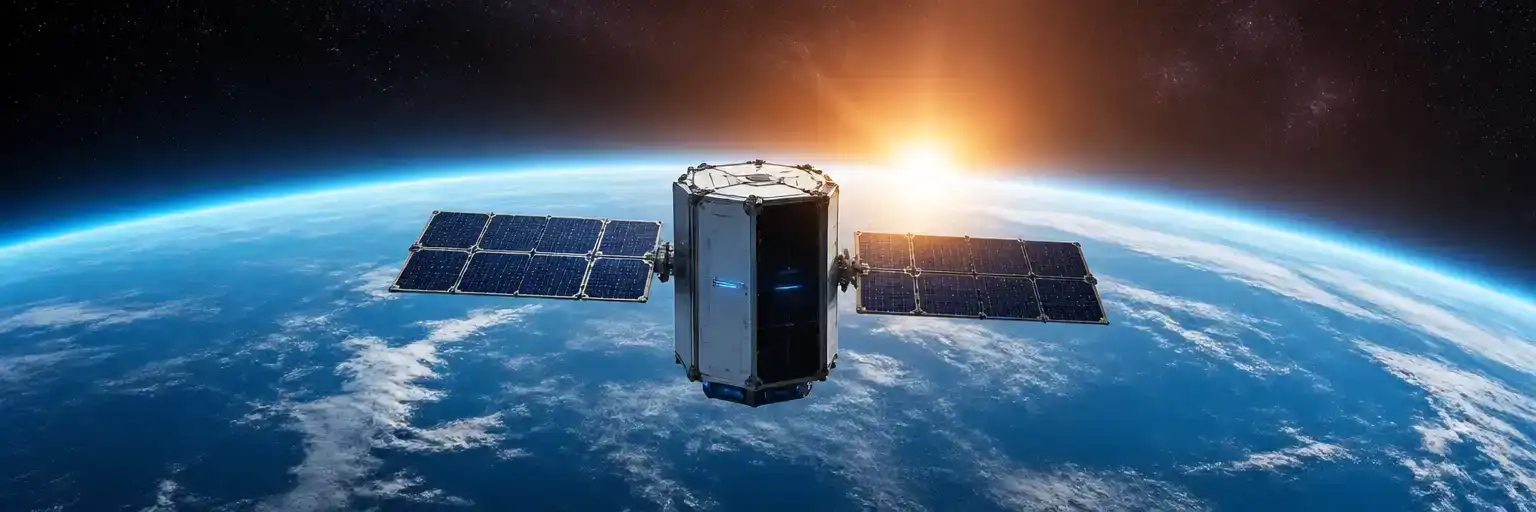
Suncatcher's first reply from orbit is a genuine engineering step, but a haiku from one TPU at a time says little about whether AI compute in space can beat Earth.
Samsung's chip profits are soaring while it warns the shortage will last through 2028. Buyers are covering the AI buildout through pricier devices, and brands should say so.
Apple mocked touchscreen laptops for years, then built a $2,899 one. The real question isn't hardware: it's whether macOS was finally designed for fingers.
Soldering memory turns a cheap later upgrade into a guess about your future needs, and with prices this high, that guess is the buyer's problem, not the vendor's.
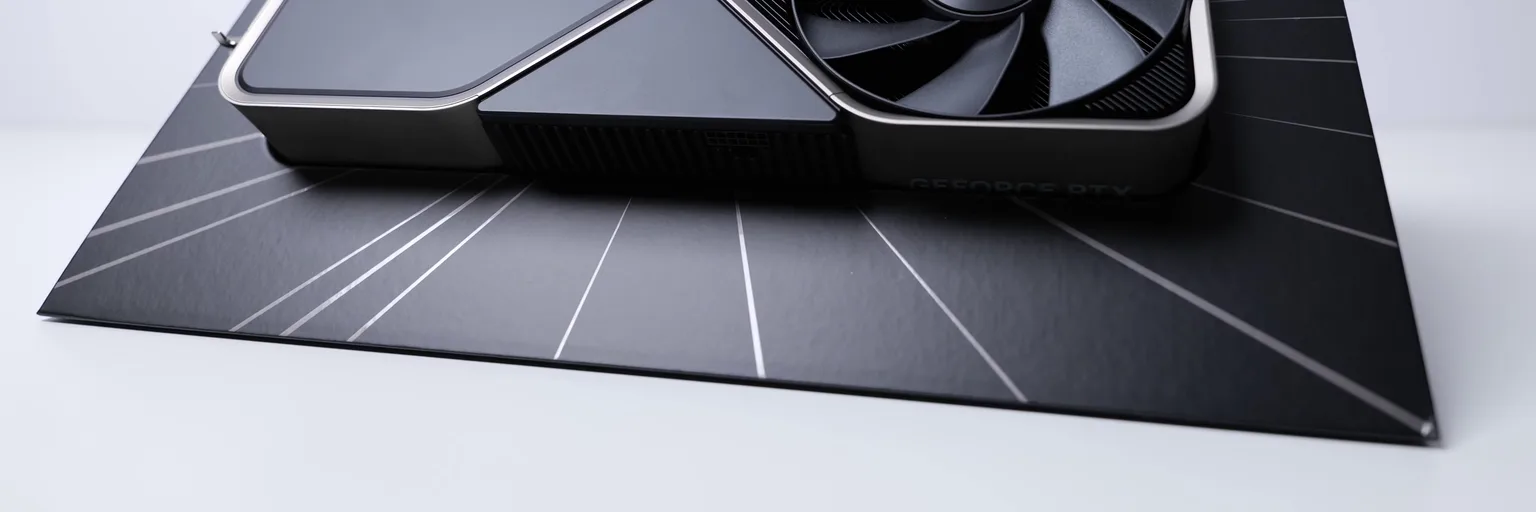
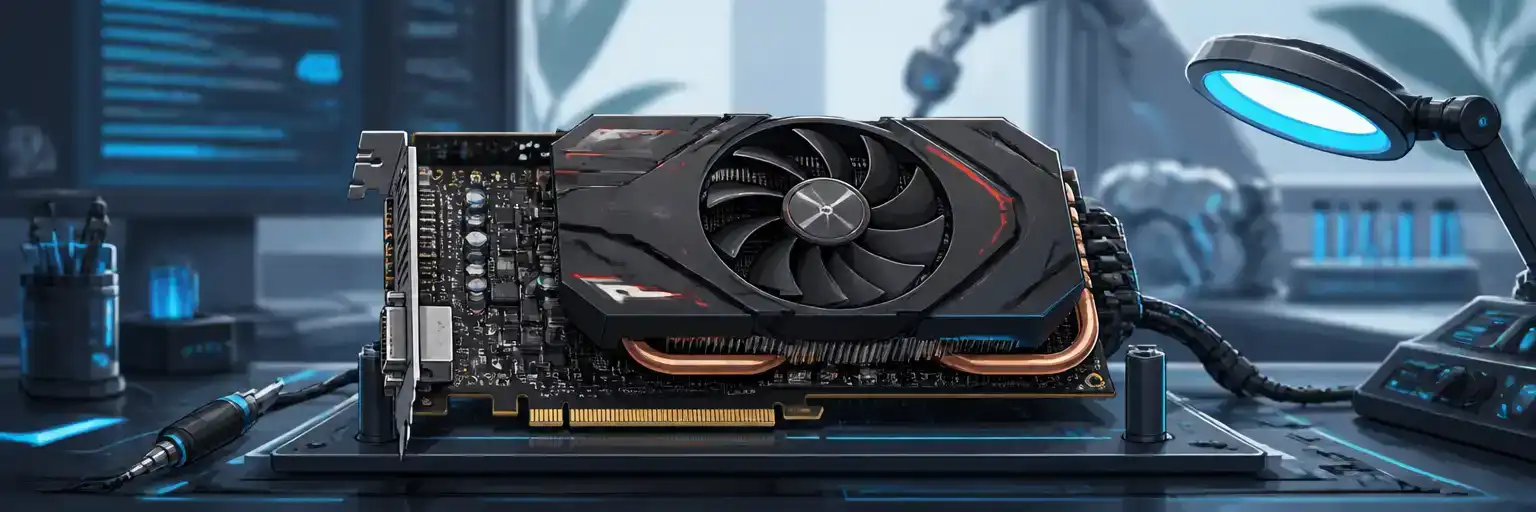
Open-source Linux modules double the RTX 4090's FP16 tensor throughput without adding hardware, which suggests the limit was about segmentation, not silicon.
DuckDB 2.0 does not reject the cloud; it argues that local execution, embedded analytics and selective remote scale belong in the same data architecture.
HPE’s lunar computer matters less as a record than as a practical experiment: future missions will need to compute locally when Earth is too far away.
The long-awaited NVIDIA RTX Spark has arrived, directly challenging Apple Silicon's lead in high-performance local AI processing on Windows PCs.
Intel, AMD, and Nvidia's latest data center GPU and server rack announcements at OCP confirm an intensifying AI infrastructure battle, promising innovation but also significant cost challenges.
Hisense's Qingdao TV factory exemplifies a future of extreme automation, challenging traditional manufacturing models and sparking crucial conversations about the role of human labor and 'human-centric' design.
NVIDIA's latest DLSS 5 iteration showcases impressive technical strides in VRAM reduction and neural rendering, yet its demanding hardware requirements and early community skepticism raise questions about mainstream adoption.
The dedicated efforts of Valve's Timur Kristóf on old AMD GPUs redefine hardware longevity and open-source commitment, offering tangible benefits for the Linux ecosystem and its users.
Traditional networking protocols are buckling under the extreme demands of AI clusters, making specialized solutions like Homa a necessity for unlocking the next era of AI performance.
Memory executives warn that the global RAM shortage will persist until at least 2028, largely driven by insatiable AI data center demand, setting the stage for higher prices across consumer tech.
The recent discovery of dormant Software Defined Radio capabilities within common ESP32 microcontrollers could revolutionize access to advanced wireless projects for hobbyists and innovators.
A conceptual superfluid helium-3 qubit design promises vastly reduced error rates, potentially accelerating the path to stable, scalable quantum computers and unlocking unprecedented computational power.