CEATEC 2026: Japan's Practical AI Isn't Just for Chatbots
While the world obsesses over generative AI, CEATEC 2026 highlights Japan's pragmatic shift towards 'Physical AI,' integrating intelligence into robotics and infrastructure to solve real-world industrial and societal challenges.
Photo: Cabinet Secretariat / Wikimedia Commons (CC BY 4.0)
In an era dominated by large language models and dazzling generative AI demonstrations, it's easy to overlook the tangible, physical applications of artificial intelligence. Yet, CEATEC 2026, Japan's premier digital equipment and technology exhibition, offers a refreshing counter-narrative, showcasing a deep commitment to what many are calling "Physical AI." This isn't about creating more convincing text or images; it's about embedding intelligence into the machines and infrastructure that power our world, an approach that we believe sets a critical benchmark for practical, integrated AI solutions amidst intense global competition.
Opened on October 13th in Chiba, CEATEC 2026 has gathered 821 exhibitors from 31 countries, including 338 first-time participants and 246 startups or research organizations. The four-day event is drawing attention to systems that use software and sensors to perceive real-world conditions and support or control physical activity. This year's theme of "Transformation" underscores a focus on addressing societal challenges and shifts in industrial structure, moving the technology conversation beyond chatbots into factories, infrastructure, and wearable devices.
The emphasis on "Physical AI" is striking. Unlike purely data-driven AI, this intelligent system combines AI with robots, sensors, and control systems, enabling machines to perceive their environment, make decisions, and adapt their actions. This represents a significant pivot, moving AI from generating content to interpreting complex sensor data and interacting directly with the physical world. It's a pragmatic direction that leverages Japan's established industrial prowess and could prove vital for long-term technological advancement.
Beyond Virtual: AI in the Real World
The most compelling exhibits at CEATEC 2026 demonstrate how established Japanese companies are pushing the boundaries of physical interaction. Mitsubishi Electric, for example, showcased its Task-Aware Unified Source Separation technology, which uses AI to isolate specific sounds from a mixed recording, such as machinery noise, musical instruments, or multiple speakers. This isn't just a clever trick; in a factory setting, such a system could distinguish a critical warning signal or worker instruction from background noise, enabling another system to detect a fault or understand a spoken command. Streamlinefeed reported that this aims to help systems detect faults or understand spoken commands, highlighting a practical, industrial proposition.
Similarly, Murata Manufacturing, in collaboration with Melt Interface Technologies, introduced the ContactGlove3 Pro, a hand-tracking glove designed to accurately record intricate finger movements without external cameras. This technology holds immense potential for training robots, remote control, and preserving the skills of experienced human workers, directly addressing the automation of complex manual tasks. Hitachi and NEC also demonstrated AI applications for operating infrastructure like railways and power systems, and advanced cybersecurity services, respectively. These are not consumer gadgets, but foundational technologies crucial for industrial resilience and efficiency.
The Journey from Prototype to Practicality
While the enthusiasm at CEATEC is palpable, we must distinguish between innovative prototypes and widespread commercial deployment. Many of the advanced technologies on display, such as TDK's direct-retinal-projection smart-glasses prototype, are still in the demonstration phase. TDK, for instance, aims for full-color mass production in the next few years, but this remains a company goal, not a confirmed release. As the International Federation of Robotics reported, 603,307 industrial robots were shipped worldwide in 2025, an 11.2% year-on-year increase. However, Japan's domestic robot-market shipments actually fell by 18.5% in the same period. This discrepancy underscores that technical advances and exhibitor excitement don't automatically guarantee immediate commercial demand or rapid adoption.
For physical AI to move from exhibition floors to everyday operations, manufacturers face significant hurdles: justifying investment, seamlessly integrating new systems with existing machinery, and training staff. Furthermore, connecting AI to operational networks raises critical cybersecurity and safety requirements. The true test for CEATEC exhibitors, in our view, will be demonstrating repeatable results and a credible pathway from these impressive demonstrations to reliable, cost-effective services. The insights from this year's event offer a map of where AI is heading, but deployment, safety, and customer demand will ultimately determine which directions become part of everyday life.
Addressing Japan's Societal Pressures with AI
Perhaps the most compelling argument for Japan's focus on physical AI and robotics lies in its unique societal challenges. With an aging population and persistent labor shortages, particularly in manufacturing and services, the need for increased automation and productivity is acute. Physical AI, which enables robots to adapt flexibly to changing object shapes and characteristics rather than just performing pre-programmed tasks, offers a potent solution. Mitsubishi Electric's demonstration of a humanoid robot capable of recognizing and arranging items of varying shapes and sizes on shelves directly tackles the need for adaptability in diverse workplaces, while robotic arm control solutions for assembly tasks mimic the precision of skilled workers. Vietnam.vn highlighted how physical AI is expected to boost automation, increase productivity, and help address the labor shortage.
These advancements aren't merely about replacing human labor; they are about augmenting it, reducing repetitive tasks, improving production efficiency, and allowing workers to focus on highly skilled activities. The ability to collect high-quality data and transfer human skills to machines, as demonstrated by Murata's ContactGlove3 Pro, is crucial for this vision. It suggests a future where AI and robotics don't just exist in isolation but work in synergy with human capabilities, a practical necessity for Japan's economic future.
CEATEC 2026 firmly establishes Japan's continued leadership in the tangible application of AI and robotics. By prioritizing "Physical AI" and focusing on integrating advanced technologies into industrial and infrastructural solutions, the exhibition demonstrates a pragmatic approach to innovation. This path, while demanding rigorous validation and overcoming significant challenges related to accuracy, safety, and investment costs, holds the potential to deliver truly impactful solutions for pressing real-world problems. It's a reminder that while the digital realm captures much attention, the physical world offers AI its most profound opportunities for transformation.
No topics yet: start the first one.
More stories
Stellantis and Wayve's AI: A North American Drive to Autonomy in 2028
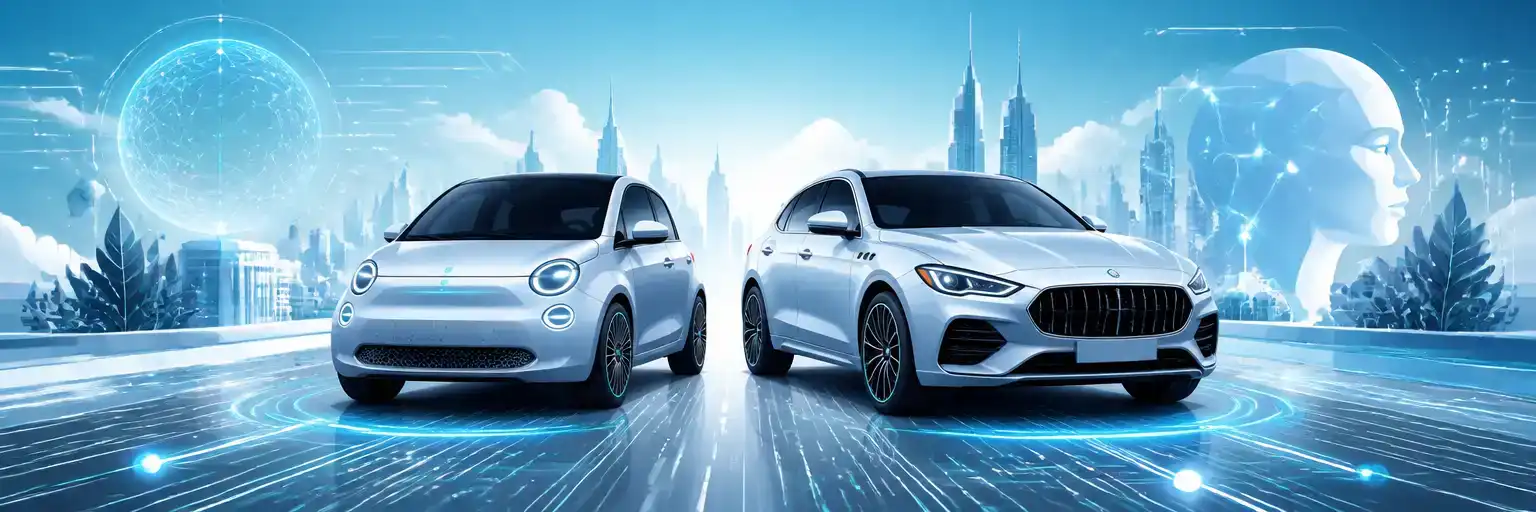
Stellantis and Wayve are bringing hands-free AI driving to the market by 2028, with initial deployment targeting North America, starting with Fiat 500e and Maserati Grecale prototypes.
YouTube's AI Search: More Than Convenience, It's Google's Next Big Play
YouTube's new 'Ask YouTube' conversational AI search is not just a convenient feature; it's Google's calculated move to deeply entrench AI, reshape video consumption, and solidify its digital ecosystem.

Mistral AI: Europe's AI Sovereign Bid Just Got Real
With record-breaking funding and a unique 'sovereign AI' approach, Mistral AI is challenging American tech giants, but scaling its ecosystem remains the ultimate test.
AutoStore's Autonomy Push: Are Lights-Out Warehouses Ready for Humans?
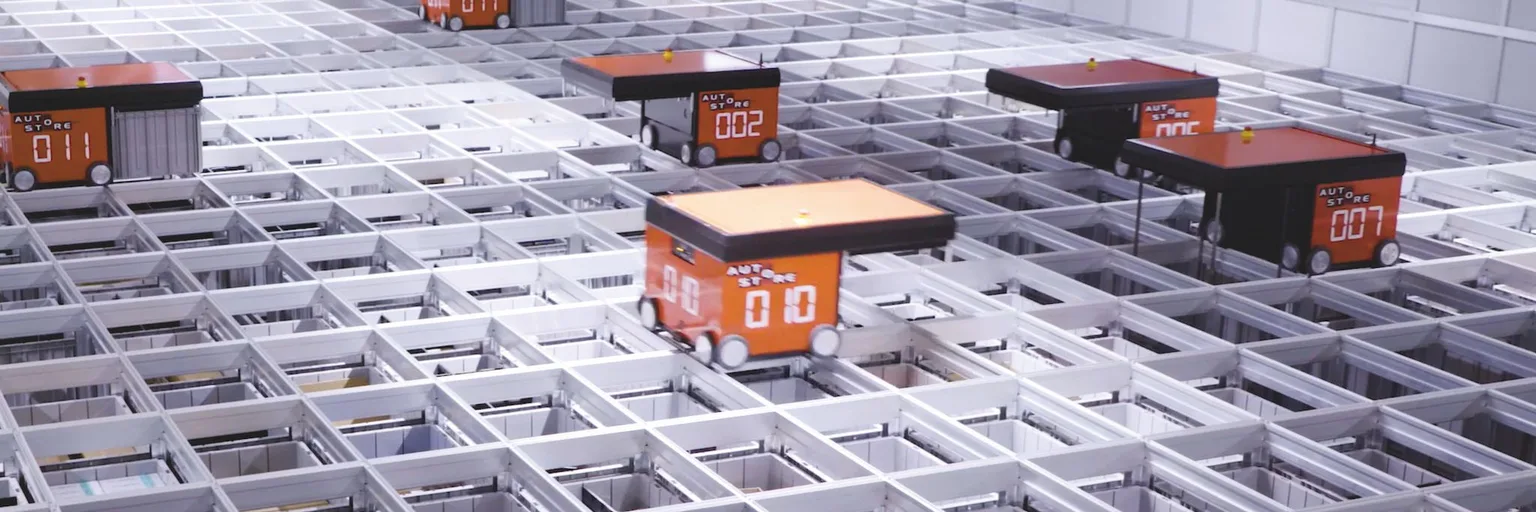
AutoStore's Fall 2026 product suite significantly advances warehouse autonomy through practical AI and robotics, yet the critical challenge remains integrating these intelligent systems with an evolving human workforce.