Microsoft's Record Run: AI's Unwavering Grip on Tech Valuations
As Microsoft's stock soars to unprecedented highs, fueled by its aggressive AI strategy and robust cloud performance, it undeniably reinforces the market's profound confidence in the transformative power and profitability of artificial intelligence.
AI-generated image
Microsoft's stock has once again broken records, reclaiming its position at the forefront of the tech market. Is this merely a symptom of a broader market rally, or does it signal a deeper validation of the company's bold pivot into artificial intelligence? We believe the latter. The recent surge, pushing Microsoft's valuation past the $4 trillion mark and its stock price to new peaks, is a powerful testament to the market's unwavering belief in AI as a primary growth engine for enterprise giants.
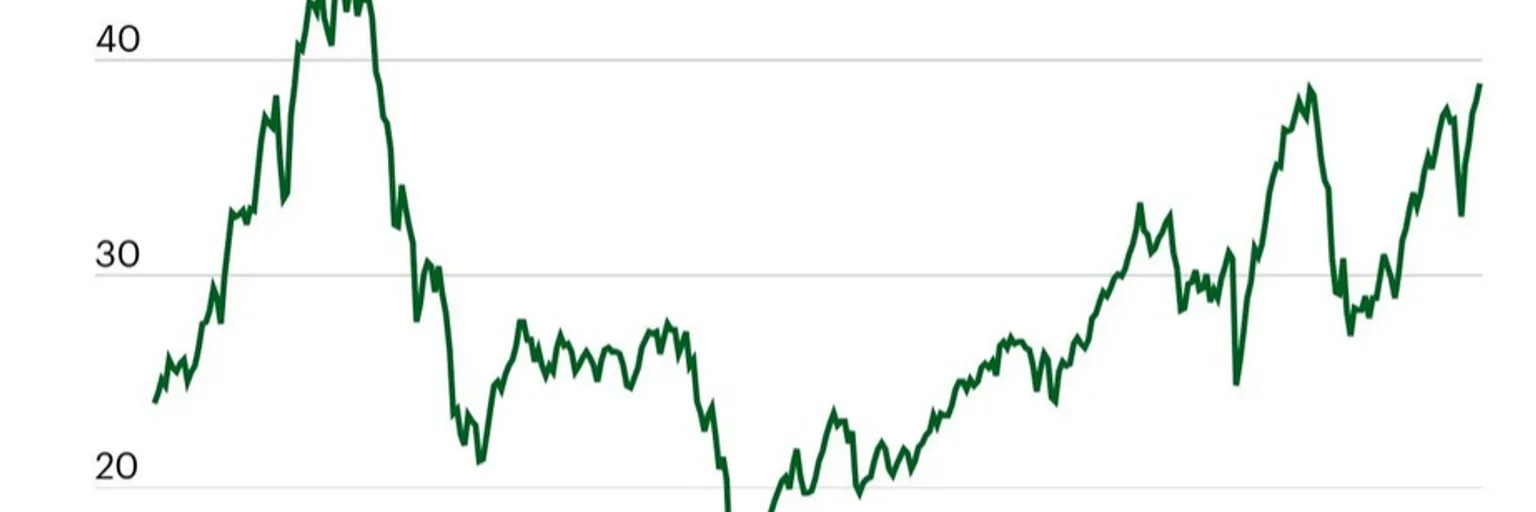
Just two days ago, Microsoft shares climbed as high as $551.13, closing at a record high of $543.45 on October 14, 2026, marking its first such achievement since October 2025, according to Bloomberg and The Seattle Times. This impressive performance follows a remarkable fiscal fourth quarter, reported on July 31, 2026, where the company's earnings per share hit $4.74 on revenues of $90 billion, comfortably beating Wall Street expectations. The real story, however, lies in the surging demand for Microsoft Cloud services, particularly Azure, which saw its growth accelerate to 43% for the quarter.
The Unstoppable AI Catalyst
It's clear that artificial intelligence is no longer a speculative bet for Microsoft; it is a validated driver of revenue and investor enthusiasm. The acceleration of Azure's growth, projected to hit around 45% in the first fiscal quarter of 2027, is directly tied to the burgeoning ecosystem of AI. Over 30 million paid users now leverage Copilot, demonstrating a tangible return on investment for the company's AI initiatives. This translates into increased utilization of Azure Foundry, with over 300 customers on track to process more than a trillion tokens this year. Microsoft's leadership has consistently articulated a strategy where "use creates value, and value drives spending," and the market figures undeniably confirm this model is bearing fruit.
Validating Aggressive Investment
The most significant hurdle for Microsoft's AI ambitions had been the colossal capital expenditure required for infrastructure. For several quarters, investors watched with bated breath, questioning the return on these massive investments. However, the latest results have turned skepticism into conviction. Despite investment spending, including leasing, reaching $41 billion in the last quarter—just under market expectations—Microsoft maintained a positive free cash flow. This fiscal discipline, combined with robust revenue growth, prompted analysts from firms like Bank of America and Jefferies to unequivocally validate Microsoft's AI strategy, as reported by Cryptoast. The market's reaction stands in stark contrast to that of competitors; for example, Alphabet's stock experienced a dip despite strong cloud growth, simply because investors remained nervous about their spending. This highlights a critical lesson: the market isn't just rewarding AI spending, but efficient and profitable AI spending.
A New Era of Growth and Valuation
Microsoft's transformation from a traditional software company to the world's largest AI platform is fundamentally reshaping its long-term growth prospects. The company's remaining performance obligations, now exceeding $627 billion—a staggering 99% increase year-over-year—underscore the sustained demand for its services. This strong backlog, coupled with the increasing adoption of Copilot and new consumption-based pricing models, underpins expectations for continued double-digit revenue growth. While some valuation models project a stock price of $560 within two years, with even higher targets reaching $600 from other analysts, the prevailing sentiment is one of cautious optimism. The slight compression in the price-to-earnings ratio in some models reflects short-term capital expenditure, but the long-term outlook is bullish, banking on AI revenue progress and sustained margins.
In our view, Microsoft's record-breaking stock performance isn't just a win for the company; it's a critical inflection point for the entire tech sector. It vividly demonstrates that for all the talk of AI's potential, investors are now actively rewarding companies that can convert that potential into tangible, profitable growth. Microsoft's integrated approach, combining cloud infrastructure with AI-powered applications, positions it uniquely to capitalize on this transformative wave, signaling a sustained era of AI-driven valuation for the tech giants who get it right.
No topics yet: start the first one.
More stories
AI's Reality Check: Why Tech Stocks Are Feeling the Chill
Recent market declines in key tech players and broader indices suggest investors are finally questioning the immediate profitability of ambitious AI investments, signaling a potential cooling of the intense hype cycle.
SAP's Autonomous Enterprise: The Unavoidable AI Shift
SAP's vision for an AI-driven autonomous enterprise isn't just an upgrade; it's a fundamental reimagining of business operations that demands adaptation or risks being left behind.

EU's Hybrid Cap: Protectionism or a Smart Push for Local EVs?
The European Union's move to limit Chinese hybrid vehicle imports is a clear protectionist strategy to safeguard its auto industry, but it risks limiting consumer choice and potentially slowing the green transition.

Africa's Big Split: A Geological Race Against Time
The unexpected thinning of Earth's crust in Eastern Africa reveals a continental breakup progressing faster than imagined, offering a unique geological classroom and prompting a reevaluation of our planet's future face.