Fable 5.2 shows the AI race is now about price per capability
Anthropic's new flagship is cheaper and faster than its predecessor. In our view, the leaderboard lead fades quickly and what lasts is price and reliability.
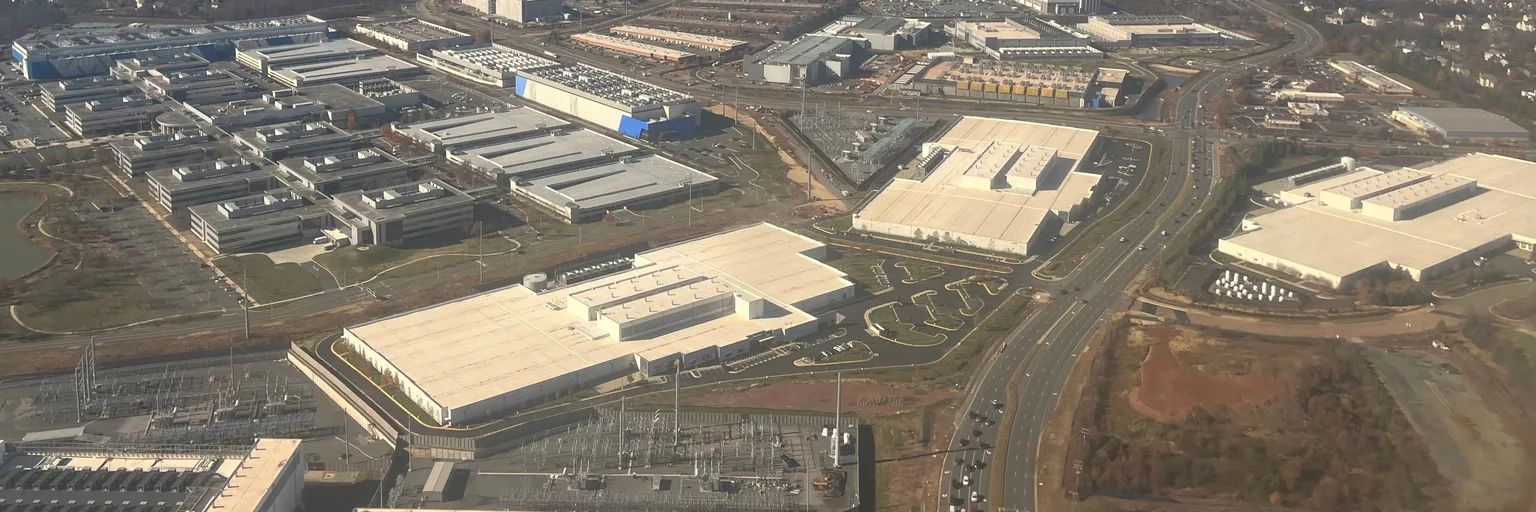
Photo: Earthranger / Wikimedia Commons (CC BY-SA 3.0)
When was the last time a new flagship model made you think about the invoice before the benchmark? With Claude Fable 5.2, that is the right order. Anthropic's most capable generally available model arrived on Monday with a lower price tag, and that detail says more about where the industry is heading than any leaderboard position.
Anthropic shipped a cheaper flagship, and the discount is the story
Anthropic launched two models at once: Fable 5.2 and Mythos 5.2. As The Verge reports, the company says they improve in coding, reasoning and vision, and generate output faster than the 5.1 versions released in September. Fable is available to everyone. Mythos starts with vetted organizations only.
The pricing is the interesting part. Secondary outlets put the cut at 20% versus Fable 5.1 on the API, with output up to 30% faster. One of them, Felloai, cites $8 per million input tokens and $40 per million output tokens. We'd treat those figures as reported by third parties, not as confirmed by us. As for Mythos, madrobot.blog quotes Anthropic calling it "the same underlying model" as Fable, minus some of its cybersecurity and biology safeguards.
A cheaper flagship is a strategic statement
Raising capability while lowering price is not generosity. It is a signal that labs expect customers to compare them line by line, the way cloud buyers compare instances. Fable 5.2 also talks the language of cost management: Anthropic's own page describes it acting as an Orchestrator that delegates simpler tasks to smaller models, or as an Advisor those models consult. That is a pitch for spending the expensive tokens only where they matter.
We think that is the real shift. For a company running coding agents all day, a 20% cut compounds faster than a few extra benchmark points. And the headline abilities Anthropic lists, from software migrations to long-running projects, are exactly the workloads where token bills get large.
The timing is also hard to ignore. Le Figaro notes that the launch comes about a week before Anthropic's probable stock market debut, amid a recent slide in tech stocks and competition from OpenAI and Google. A price cut and strong results make a tidy story for investors. That doesn't make them cynical moves, but readers should notice who the audience is.
Leaderboards are rented, not owned
Wherever Fable 5.2 lands on the public rankings, a top spot is a snapshot. We expect rivals to answer quickly, and Anthropic itself followed up on 5.1, which only arrived in September. A lead measured in weeks is not much of a moat.
What lasts is harder to put in a chart. Does the model refuse less on legitimate work? Does it finish a multi-day agent run without drifting? Does the price stay put once usage grows? Frandroid highlights a promise of far fewer refusals, which, if it holds, matters more to many teams than a point on an index. Anthropic's claims about proving Fermat's Last Theorem in 30 hours or solving open black-hole physics problems are striking, but they are the company's own pre-release claims. We'd wait for independent replication before treating them as settled.
The verdict
The winner of this phase will not be whoever tops a ranking for a fortnight. It will be whoever offers the best capability per dollar and keeps it dependable under production load. Fable 5.2 is a credible step in that direction, and we think the price cut puts pressure on OpenAI and Google to answer in kind.
Our advice: if you build on Claude, rerun your own tasks on 5.2 and compare cost per completed job, not score per model. Avoid locking your architecture to one vendor's leaderboard moment. The cheapest good-enough model is a moving target, and the teams that can switch easily will benefit most from this price war.
No topics yet: start the first one.
More stories
OpenAI's robotics bet: scale wins, but who explains the failures?
Folding robotics into general models may be efficient, but it also dissolves the specialists who would know why a robot dropped the bottle, and that matters more than the benchmark.

Apple's Harbor could make private AI something normal people actually run
A leaked Mac app promises easy local models and an automatic Thunderbolt cluster. If it ships as described, the real battle is no longer about privacy but about price.

Data centers have a social license problem, and power bills may be the spark
From a scrapped Sydney site to a proposed Texas pause and Milei's Patagonia pitch, the backlash suggests AI's scarcest resource is public consent, not chips.
AI agents can order your dinner. The numbers show nobody trusts them to
DoorDash and Uber just reported almost no orders from AI agents. We think that's less a capability failure than a verdict on trust, control and convenience.