Soldered RAM is a bad bet, and vendors should stop pushing it
Soldering memory turns a cheap later upgrade into a guess about your future needs, and with prices this high, that guess is the buyer's problem, not the vendor's.
AI-generated image
Remember when the smart way to buy a laptop was to take the cheap RAM configuration and add sticks later? That trick is dying, and it is dying at the worst possible moment: just when memory prices are sky-high.
Soldered memory is not new, but it is spreading. As XDA Developers notes, it has moved from thin laptops into mini PCs and all-in-ones, and desktops may be next. The same piece describes a memory market under strain from data center demand, more wafer spending on HBM, and Micron pulling out of the consumer memory market.
Our view is simple: the engineering case for soldering is real, but the commercial case is lopsided, and buyers are the ones paying for it.
The engineering argument is real, but it doesn't cover everyone
We should be fair. LPDDR runs at lower voltages, so it needs to sit close to the processor to keep its signal clean, and soldering makes that easy. How-To Geek's Monica J. White argues that this frees space in 13- and 14-inch laptops for a bigger battery or better cooling. For wide-bus integrated GPU and AI machines, such as the Framework Desktop with AMD's "Strix Halo" APU, bandwidth really can depend on soldered LPDDR, according to XDA.
That is a genuine trade-off for a compact, fanless box. But it is a trade-off for those designs, not a blanket excuse. We suspect plenty of machines get soldered memory simply because it has become the default.
Soldering moves the risk from the vendor to you
Here is the part we find hardest to defend. When RAM can't be changed, you must pick your capacity on day one. PCWorld's critique puts the dilemma well: buy too little and hope, or overbuy to be safe. Maybe you'll take up video editing, or want to experiment with AI next year. With soldered RAM you are forecasting your own future, and the price of being wrong is a new computer.
XDA is blunt about who benefits. Locking the configuration at purchase secures revenue from higher-RAM, higher-margin configurations in the initial sale, and in a RAM crisis that lets OEMs extract money they would otherwise lose to a buyer who adds sticks later. Soldering also trims the bill of materials. XDA says the savings per unit may not be large, but multiplied across millions of units they help OEM margins. We would not count on that saving showing up in your price.
Even the defenders concede the point. How-To Geek says whatever RAM configuration you commit to when shopping stays with you, and that repairing a failed soldered module means swapping the whole motherboard. It also notes that the premium for a RAM upgrade no longer stings the way it used to, because with prices sky-high, buying sticks costs about as much anyway. In our opinion that is an argument against the market, not for soldering. Sky-high prices make flexibility more valuable, not less. Being able to buy a smaller configuration now and wait for prices to fall is exactly the option soldering removes.
The industry already has a better answer
The encouraging news is that vendors seem to know it. CAMM2 is a JEDEC-standardized module form factor for DDR5 and LPDDR5(X), according to Wikipedia. A Framework community deep dive on the Framework Laptop 13 Pro says its LPCAMM2 design uses the same LPDDR5x packages that would otherwise be soldered to the mainboard, just moved onto a separate module. How-To Geek has described LPCAMM2 as combining the best parts of soldered and upgradeable RAM.
That undermines the claim that you must choose between thin, fast, efficient hardware and replaceable memory. We can't say from the documentation how it compares on cost or thickness at scale, and a module is still more hardware than a chip on the board. But the fact that a vendor built a laptop around it suggests the old excuse is wearing thin.
Our verdict
If you're shopping now, treat soldered memory as a cost to be priced in. Check your real usage first (How-To Geek suggests Task Manager), and if you choose a soldered machine, buy the capacity you'll plausibly need, since you cannot fix it later. Where there is an alternative with a slot or an LPCAMM2 module, we would favor it, particularly if you keep laptops for years.
For vendors, the message is plainer. Soldering made sense when it bought real thinness or bandwidth. Using it to lock in margins while memory is scarce is a bet placed with the customer's money. Offer modular memory wherever the design allows, and explain honestly where it doesn't.
No topics yet: start the first one.
More stories
Nvidia's tensor cap looks like a pricing decision, and Linux just exposed it
Open-source Linux modules double the RTX 4090's FP16 tensor throughput without adding hardware, which suggests the limit was about segmentation, not silicon.
DuckDB 2.0 Makes the Case for Keeping Analytics Close to the Data
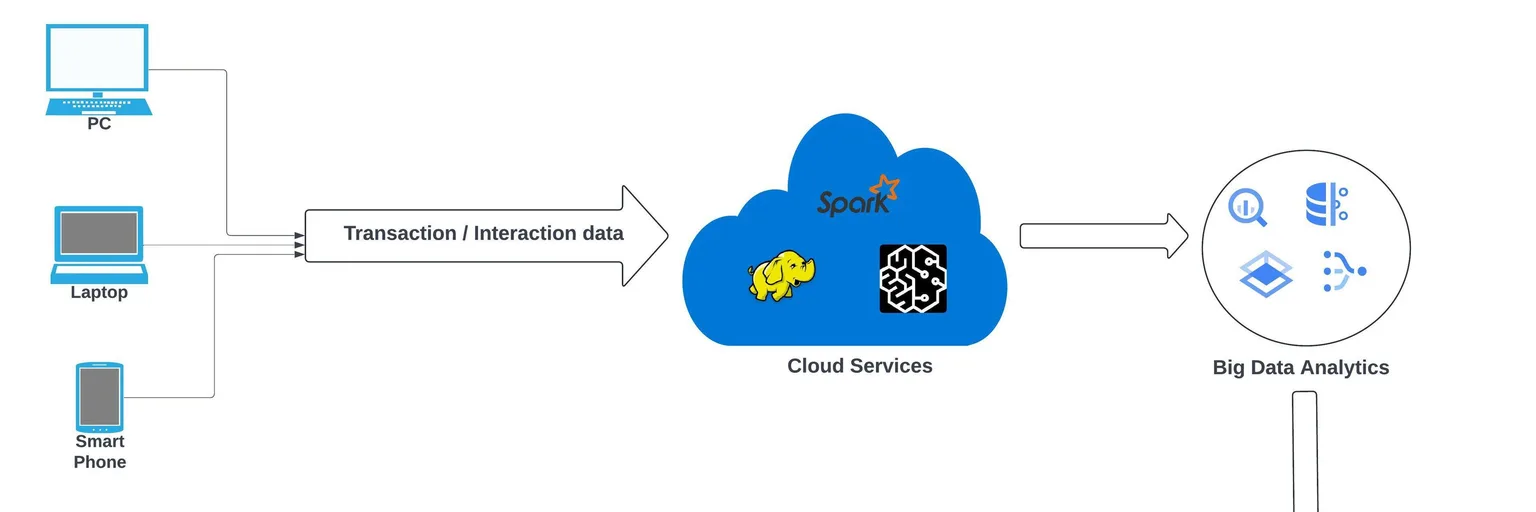
DuckDB 2.0 does not reject the cloud; it argues that local execution, embedded analytics and selective remote scale belong in the same data architecture.
The Moon’s First HPC Test Is Really a Test of Local Autonomy
HPE’s lunar computer matters less as a record than as a practical experiment: future missions will need to compute locally when Earth is too far away.

NVIDIA's RTX Spark: Windows Finally Gets Its AI Superchip Moment
The long-awaited NVIDIA RTX Spark has arrived, directly challenging Apple Silicon's lead in high-performance local AI processing on Windows PCs.