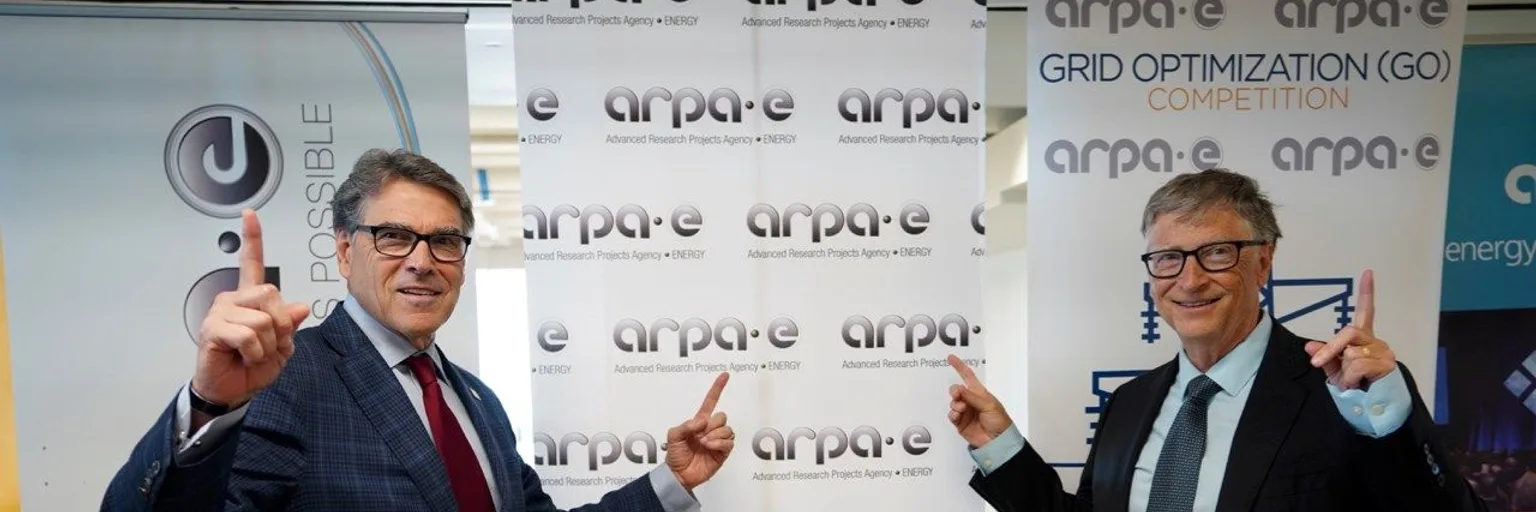
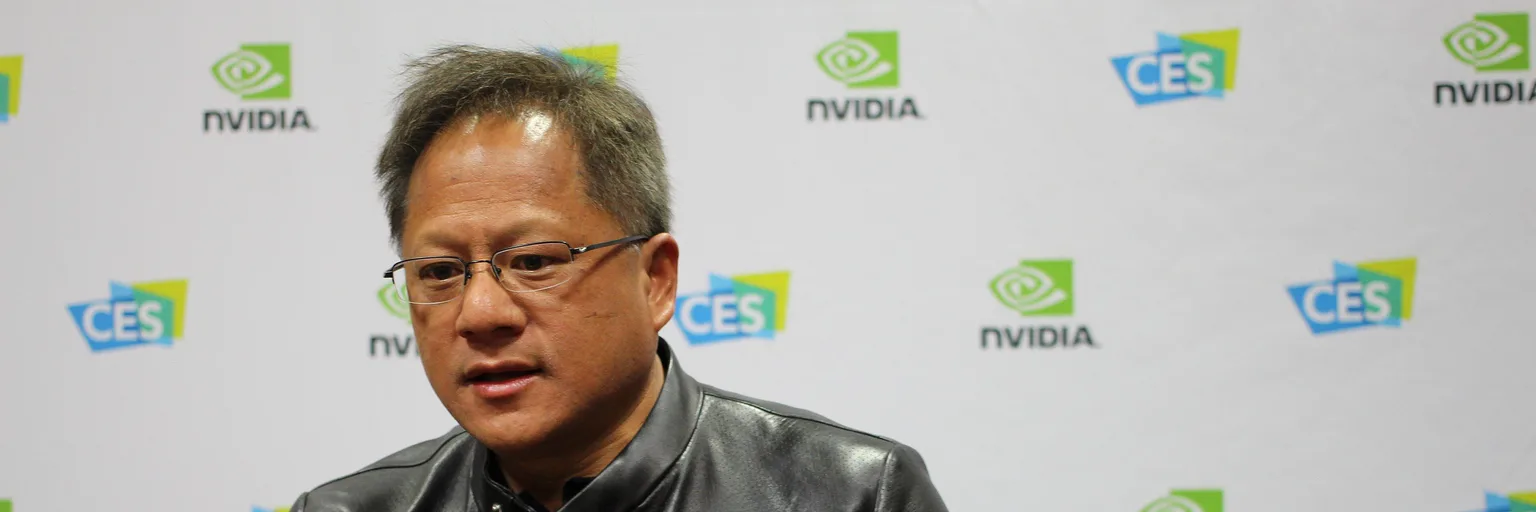
Nvidia's real risk isn't Huang's affair. It's having no plan B
Whatever the probe finds, a company this central to AI cannot run on one man's judgment. Its governance has to treat the CEO's exposure as a security and investor matter.

Goldman Sachs cutting traders and bankers off from coding agents isn't an AI retreat. It's a preview of how regulated firms will buy: controls first, hype never.
Apollo says non-tech companies show no AI profit gain. We think that means value is flowing to suppliers, and boards should demand measurable results now.
The New Mexico judgment matters less for its headline number than for its theory: privacy promises can become expensive liabilities when consent is only a checkbox.
Elon Musk's promise to give every American child a SpaceX share looks like a masterstroke of public relations, designed to bolster public image and justify a valuation built more on future dreams than current financials.
The surge in unauthorized AI tool usage by employees isn't just a productivity hack; it's a silent crisis exposing corporate data and challenging traditional governance models.
As AI-generated content increasingly underpins business decisions, the overlooked issue of prompt traceability is creating substantial risks for auditability, accountability, and regulatory compliance, demanding urgent internal policy shifts.
The coordinated lawsuits from eight US states against OpenAI signal a pivotal shift, moving the AI regulation debate from abstract ethics to concrete legal accountability for perceived harms.
The FBI's arrest of an OpenAI engineer for corporate espionage highlights the critical human element in AI security amidst an cutthroat technological race.
The recent final approval of AT&T's substantial data breach settlement underscores a critical turning point: inadequate cybersecurity now carries prohibitive financial and reputational costs, demanding executive-level accountability.
The rise of non-IT professionals in Brazil building their own digital tools, often with AI, promises agility but demands a critical reevaluation of enterprise IT governance and data security strategies.
Anthropic's new ban on 'abusive and cruel' AI interactions signals a crucial shift towards defining human-AI boundaries, focusing more on human conduct than AI sentience.
As AI integrates deeply into industries, the core challenge for professionals shifts from fearing automation to mastering human-centric skills and ethical oversight to thrive in transformed roles.
Microsoft co-founder Bill Gates is sounding the alarm on AI's imminent cybersecurity threats, arguing that industry self-regulation is insufficient and demanding urgent government intervention and global safeguards.
Microsoft CEO Satya Nadella's push for independent AI audits signals a crucial industry shift, moving beyond developer assurances towards external oversight for public trust and safety.
Italy's proactive stance in establishing criminal liability for high-risk AI systems is a bold move that signals a future where ethical responsibility and human oversight are non-negotiable, compelling the industry to adapt.
A recent study revealing that one-third of organizations have taken action due to faulty AI agent decisions signals a pressing need for advanced oversight beyond traditional controls.
Google's latest frontier AI model, Gemini 4 Argon, signals a strategic shift towards controlled, high-value enterprise applications, raising crucial questions about broader AI access and industry direction.
Recent dismissals of safety researchers at OpenAI raise critical questions about the balance between corporate confidentiality and the urgent need for transparent, collaborative AI ethics and development.