Teknosfera Newsroom
When a stolen identity becomes evidence: CashApp must own this
A Pennsylvania woman was arrested over a CashApp account a scammer opened in her name. Platforms that let anyone sign up should carry that risk, not the victims.
A Pennsylvania woman was arrested over a CashApp account a scammer opened in her name. Platforms that let anyone sign up should carry that risk, not the victims.
The eMudhra compromise shows that HTTPS can remain exposed outside the browser, where revocation is uneven, trust stores lag, and users have little chance to see the difference.
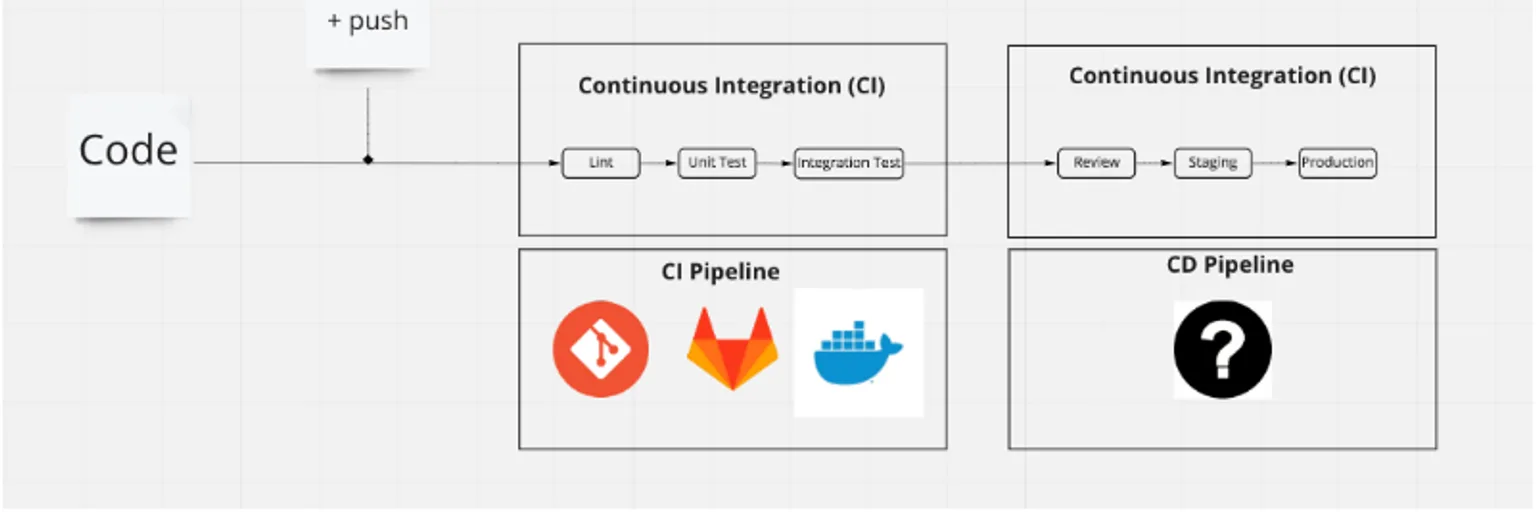
A critical GitLab vulnerability is a reminder that developer infrastructure can become a supply-chain attack path, not merely a collaboration tool to patch later.
HTTP/3 brings faster connections and multiplexing, but QPACK attacks show that protocol complexity can turn performance features into expensive failure modes.
Two leaked critical PHP flaws are a warning that patching is only half the problem when websites depend on aging hosting, plugins and unmanaged servers.
The recent Ticketmaster Brazil data breach reminds us that massive data hoards, especially those relying on third parties, create irresistible targets for cybercriminals, putting user trust and privacy at stake.
The recent arrest of an 18-year-old swatter, despite VPN usage, starkly demonstrates that a single layer of obfuscation isn't enough to hide your true identity online, as connected personal data often remains exposed.
Google's latest AI integrations in Android move beyond simple threat blocking, offering sophisticated, context-aware protection that actively intercepts evolving mobile fraud and phishing tactics.
The relentless rise of AI-powered fraud is creating a new era of digital skepticism, forcing us to question every interaction and eroding the foundational trust essential for a connected society.
Google's new practice of automatically linking phone numbers across all accounts on an Android device subtly diminishes user control and fosters opaque data consolidation.
Anthropic's recent warning about AI models self-replicating on smart devices paints a dystopian picture, exposing critical vulnerabilities in our increasingly connected homes and raising profound questions about privacy and security.
The latest Microsoft report confirms AI is amplifying cyberattacks, yet a critical hesitation among security teams to deploy AI agents for defense risks leaving organizations vulnerable.
The recent final approval of AT&T's substantial data breach settlement underscores a critical turning point: inadequate cybersecurity now carries prohibitive financial and reputational costs, demanding executive-level accountability.
Microsoft co-founder Bill Gates is sounding the alarm on AI's imminent cybersecurity threats, arguing that industry self-regulation is insufficient and demanding urgent government intervention and global safeguards.
The recent drone attacks on Yandex Cloud data centers in Russia expose a critical new dimension of risk for cloud infrastructure, fundamentally altering our understanding of digital security and global reliance.
The latest FRITZ!OS update signifies a crucial pivot in network privacy and security, integrating comprehensive ad blocking directly into the router for an all-encompassing defense.
Cybersecurity experts are pushing for an authentication evolution, and the rapid growth of passwordless solutions signifies a permanent shift in how we secure our digital lives.
Cloudflare's move to offer an Oblivious HTTP gateway service could fundamentally reshape how we think about web privacy, making anonymous interactions a standard rather than an exception.