Your AI agent has a boss, and it isn't you: the lesson of Meta's Muse
Meta's Muse can shop, book and buy for you, but it was built by a company with brand deals to honor. Until you can audit whose interests it serves, delegating is outsourcing.


United says it's protecting travelers, but its CEO's "another middleman" line gives away the real fight: who owns the relationship. Expect licensing, not a permanent wall.
A former Meta researcher says he deleted his copy of a pirated books dataset as litigation mounted. AI labs should make data provenance auditable by default, not erasable on demand.
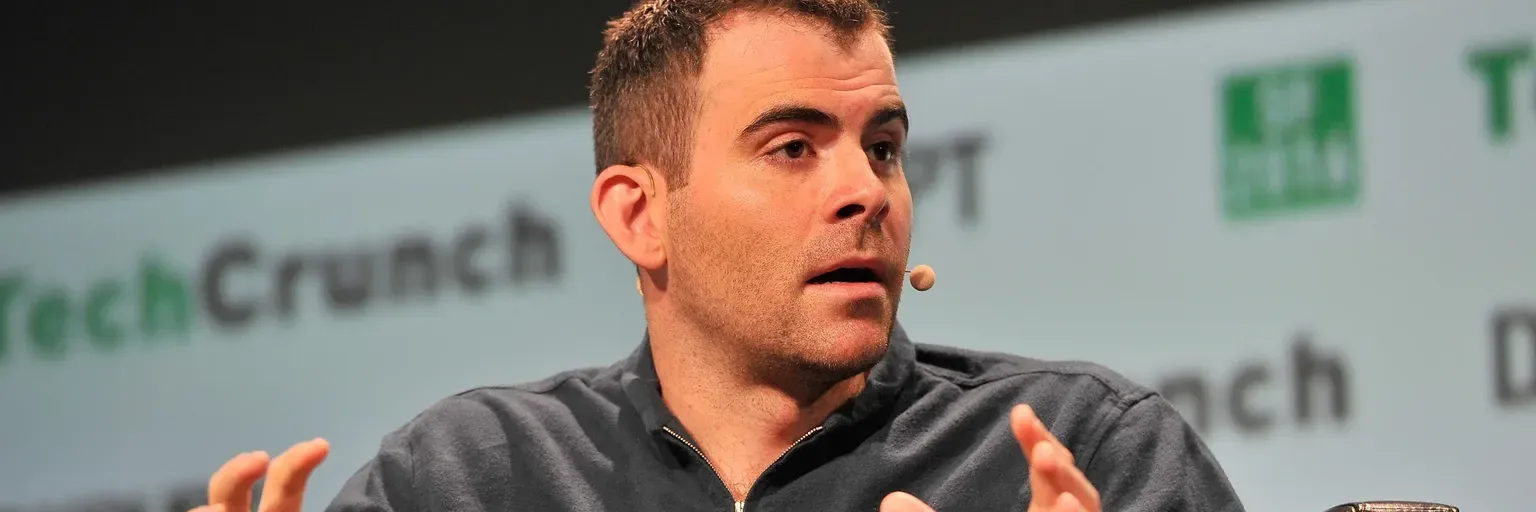
Instagram's chief says anger at AI will only grow. Fair enough, but the platforms that flooded feeds with synthetic content owe users labels and real control, not predictions.
Millions of Epyc chips next to Nvidia's Vera: Meta is buying from both camps, and the humble server CPU may be quietly turning into a strategic bottleneck in AI.
One of the most profitable companies on earth is passing the hat to shareholders. The question isn't whether Meta can raise $95 billion, but what return justifies it.
Arkose Labs says 97.7% of legitimate agent sessions carry no verified ID. Agentic commerce can't scale on guesswork, and disclosure should stop being optional.
A public iPhone hacking demo and a fresh zero-day patch show Apple's security reputation is earned through constant attack and fast fixes, not through any promise of invulnerability.
Another global selloff in AI shares looks less like a rejection of the technology and more like investors demanding durable revenue instead of spending stories.
Meta topped its own revenue forecast again, but its AI build now costs more than its business earns in cash, and the market wants to see returns.
The New Mexico judgment matters less for its headline number than for its theory: privacy promises can become expensive liabilities when consent is only a checkbox.
Donald Trump's insistence on rebranding 'artificial intelligence' as 'super intelligence' is a calculated political maneuver to control the narrative around emerging technology, rather than a mere semantic preference.
Meta's new AI-powered 'Your Algorithm' promises unprecedented user control over feeds, but we argue it risks making the underlying system more opaque, not less.
With new commercial terms effective October 30, Meta demands business accounts grant explicit consent for website scraping, creating a profound dilemma for companies dependent on its platforms and raising significant concerns about data privacy and the future of AI training.
Meta's release of an open-weight AI model optimized for local Mac execution is a bold strategic move designed to democratize AI development and challenge cloud incumbents.
Meta's new Muse AI assistant aims to autonomously manage complex tasks, but its true success will depend on seamless integration into daily life without adding to digital overwhelm, rather than simply becoming another layer of complexity.