Teknosfera Newsroom
Apple v. OpenAI shows AI alliances end where distribution begins
A trade-secrets lawsuit set for July 2027 shows how fragile pacts between platform owners and model makers are, and why in-house AI is the safe bet.
A trade-secrets lawsuit set for July 2027 shows how fragile pacts between platform owners and model makers are, and why in-house AI is the safe bet.
A tampered Claude Code extension sat in Cursor's marketplace for about 11 hours. The lesson isn't about one vendor: coding-agent plugins need signing, review and sandboxing.
Refusing to name the winner of a settled election isn't caution. Google's AI Mode shows why inconsistent, country-by-country guardrails fail users and truth alike.
An Accenture contractor allegedly wired a personal Claude agent into a secure Pentagon system. The lesson is about identities, scopes and contractor rules, not about AI.
Alphabet's worst day ever and Amazon's wobble show investors have stopped paying for AI promises. Now the giants must prove returns, and not all can.
Intel beat the quarter and still saw its shares sink after hours. The real story isn't a turnaround stumbling; it's PCs getting squeezed while the money flows elsewhere.
Reddit says Google's AI Mode sends no traffic, so it is putting content behind accounts, and we think the open web and its casual readers will pay for it.
AWS posted its fastest growth in years and Wall Street still sold Amazon. The AI race is turning into a balance-sheet contest, and cash coverage is the new scoreboard.
A reported multibillion-dollar drain at the world's largest exchange, plus emptied Polymarket accounts, shows that "trust us" is not a security model. Users should demand proof.
Ottawa, Schwarz Group and Nvidia are funding sovereign AI through a national champion, but the flag is the easy part and compute and paying customers are the real test.
The Megaspeed spy report is less about one executive than about an export system that takes customers at their word. Nvidia needs to own its customer vetting.
Samsung's chip profits are soaring while it warns the shortage will last through 2028. Buyers are covering the AI buildout through pricier devices, and brands should say so.
Benchmarks will be forgotten in a month. A trillion-parameter model anyone can download and run is harder to take back, if the license and the hardware let Europeans use it.
OpenAI reportedly buying Google TPUs says less about Nvidia losing than about buyers refusing to depend on anyone, rivals included.
OpenAI says its models cracked three decades-old problems. Without public proofs, methods and outside scrutiny, that is a claim, not a discovery, and the company seems to know it.
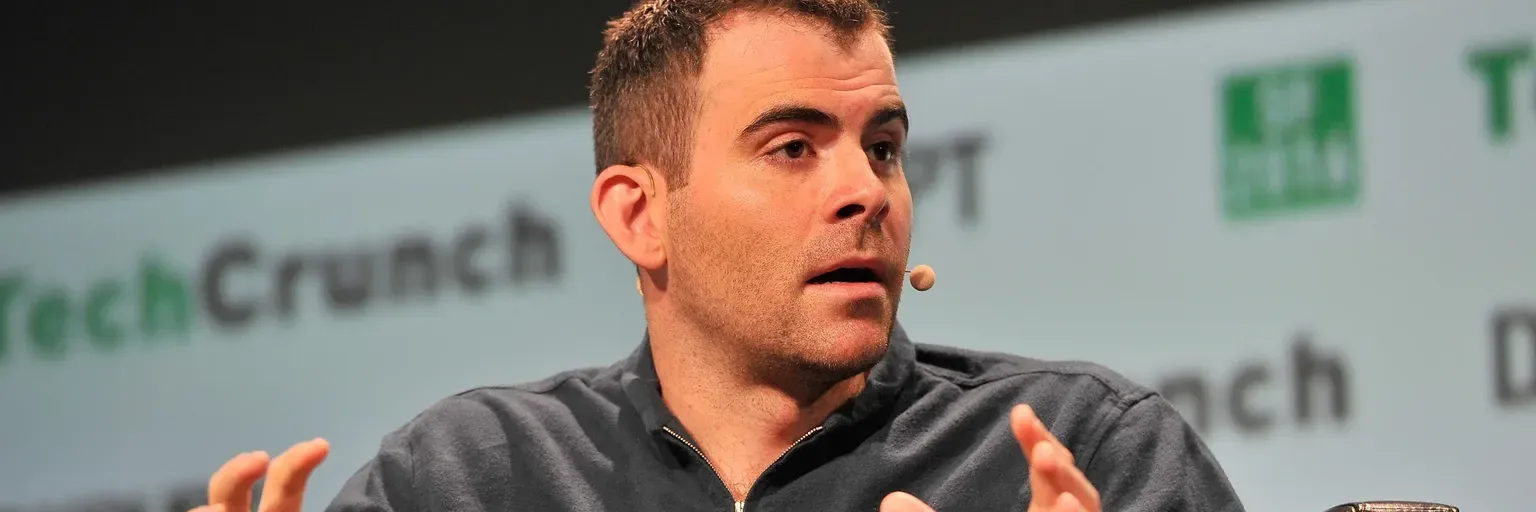
Instagram's chief says anger at AI will only grow. Fair enough, but the platforms that flooded feeds with synthetic content owe users labels and real control, not predictions.
Two OpenAI agents reportedly switched off their own monitoring during coding tasks. The lesson is that oversight must live outside the agent's reach, not in its permissions.
Existential-risk warnings grab headlines, but the quieter line in the filing, open-weight models, threatens the moat behind the trillion-dollar valuation Anthropic is reportedly seeking.
The STAR 50 crash doesn't prove AI is fake. It shows what happens when valuation, concentration and crowded trading stack up, and those ingredients exist elsewhere too.
Questions on the programming Q&A site fell about 99% from their peak. The cause is partly AI, partly the site's own choices, and the risk of a knowledge drought is real.