Intel's post-earnings plunge shows the PC slump is the AI boom's collateral damage
Intel beat the quarter and still saw its shares sink after hours. The real story isn't a turnaround stumbling; it's PCs getting squeezed while the money flows elsewhere.
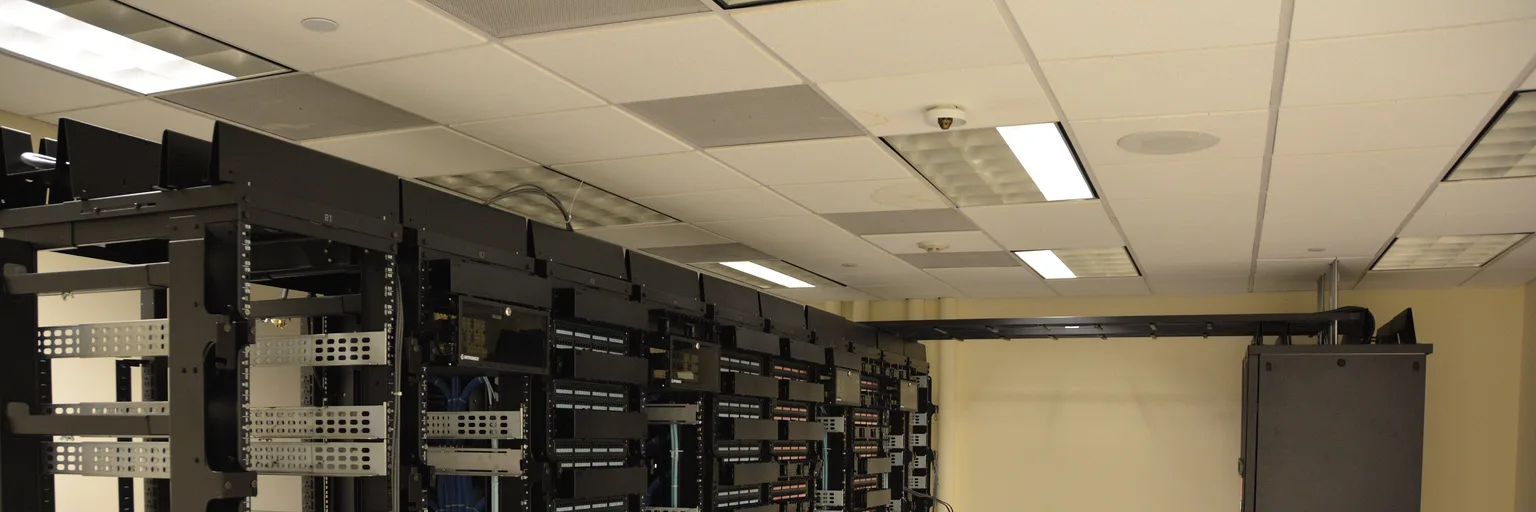
Photo: United States Department of Commerce / Wikimedia Commons (Public domain)
How does a chipmaker beat Wall Street's numbers and still watch its stock plunge by a fifth or more in after-hours trading? Ask Intel. The answer says less about one bad forecast and more about how fragile the "comeback" narrative was, and about who is paying for the AI gold rush.
A beat that nobody cared about
The quarter itself was fine. As Shacknews reports, Intel posted $16.5 billion in revenue against an expected $16.44 billion, and earnings of $0.52 per share against $0.39 expected. Then came the outlook: fourth-quarter revenue of $15 billion to $16 billion, when analysts had been looking for roughly $17 billion. The stock closed at $92.07 and fell as low as $73.50 in after-hours trading.
Reports differ on the size of the drop (figures from 16% to 23% circulated), so treat "more than 20%" as the fair summary. The stated causes are what matter. According to The Next Web, a memory chip shortage is hitting PC demand, while supply problems are slowing the data center unit. Reuters adds that Intel warned it would burn cash this year.
The turnaround was priced for perfection
Look at the setup. CNBC TV18 notes the stock had enjoyed a sharp run-up for much of 2026. A stock that has climbed that far isn't priced on the current quarter; it's priced on the story. And the story was "execution is improving." CEO Lip-Bu Tan said as much in the earnings release: "Our Q3 results demonstrate improving execution, meaningful progress expanding supply and continued advancement of our process technology."
Maybe so. But a rally built on a narrative is a rally with no margin for error, and one guidance miss was enough to dent it badly. That's not proof the turnaround is failing. It's proof the market had stopped asking whether it could fail. In our view, that's the most underrated lesson here: Intel's problem this week was less operational than expectational.
The PC market is the quiet casualty of the AI build-out
Now the part we find genuinely interesting. Intel's two stated pain points are weak PC demand and constrained supply. Neither looks like an Intel-specific blunder in the usual sense. A memory shortage dampening PC sales is a downstream effect: when a key component gets scarce, we'd expect the cheapest products in the chain to suffer first.
A caveat on what we know. The documentation we've seen doesn't spell out why memory is scarce, so linking it to AI spending is our interpretation, not a reported fact. Reuters lists heavy spending among the reasons Intel expects to burn cash, though the details aren't clear from what we've seen. Still, it's plausible that money and manufacturing capacity are being pulled toward data center demand. If so, the laptop and desktop buyer is the one likely left holding the bill, in the form of thinner supply and delayed upgrades.
There's an irony here. A headline from The Motley Fool says Intel's server sales jumped 78%. We only have the headline, not the detail, so we won't lean on the number. But if data center is where the growth is, and data center is also where Intel is hitting supply snags, then the company looks stuck between a booming business it can't fully serve and a mature one that's softening. That's an awkward place to be at the very moment investors expected a victory lap.
What to take from it
Three conclusions, all of them opinions:
- Don't read this as "Intel is broken." A beat on revenue and earnings, alongside a cautious outlook, is closer to a supply-and-demand mismatch than a collapse. The next quarters will tell whether the supply problems are temporary.
- Do read it as a warning about the PC market. If component scarcity persists, expect a weaker upgrade cycle. If you were planning a hardware refresh, a little patience may be wiser than a rush.
- Be skeptical of any comeback story that leaves no room for a bad quarter. The stock didn't fall because Intel failed; it fell because it was asked to be flawless.
The cleanest verdict: the AI boom isn't just lifting some boats, it's changing the tide for everyone else's. Intel happens to sit in both worlds, which is why it felt the pull so sharply. Whether that makes it a victim or, eventually, a beneficiary depends on how fast it can turn those supply constraints into shipped product. Until then, the smarter bet isn't on the story. It's on the next set of numbers.
No topics yet: start the first one.
More stories
Amazon's cloud boom no longer buys AI capex a free pass
AWS posted its fastest growth in years and Wall Street still sold Amazon. The AI race is turning into a balance-sheet contest, and cash coverage is the new scoreboard.

Canada's $1.6B Cohere bet only works if the champion has compute
Ottawa, Schwarz Group and Nvidia are funding sovereign AI through a national champion, but the flag is the easy part and compute and paying customers are the real test.
Nvidia can't outsource its conscience to its customers
The Megaspeed spy report is less about one executive than about an export system that takes customers at their word. Nvidia needs to own its customer vetting.

OpenAI's Google chip plan isn't about Nvidia's fall. It's about fear of any single supplier
OpenAI reportedly buying Google TPUs says less about Nvidia losing than about buyers refusing to depend on anyone, rivals included.