OpenAI's Google chip plan isn't about Nvidia's fall. It's about fear of any single supplier
OpenAI reportedly buying Google TPUs says less about Nvidia losing than about buyers refusing to depend on anyone, rivals included.
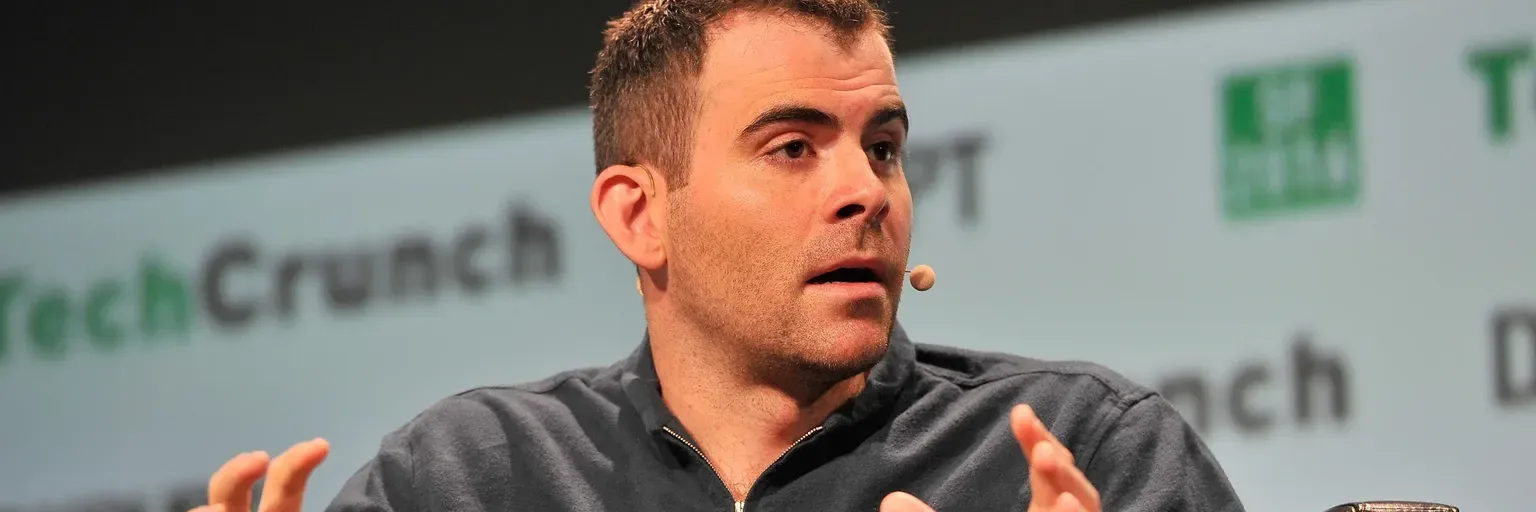
Photo: Carl Lender from Sunrise, USA / Wikimedia Commons (CC BY 2.0)
Why would a company buy critical hardware from the one rival it fights hardest in search and consumer AI? Because the alternative, depending on a single supplier, scares it more.
That's our reading of the news that OpenAI plans to buy Google's AI chips. The report comes from The Information, which cited one person familiar with the matter. As Reuters relayed, neither the financial terms nor other details have been disclosed, and OpenAI declined to comment. Treat it as a report, not a signed deal.
The context matters. OpenAI is already among Nvidia's biggest GPU buyers, reportedly rented Google chips back in 2025, and says it will offer its most advanced models through Google Cloud. It has also unveiled a custom chip built with Broadcom, which it planned to bring into service before the end of this year.
The story isn't Nvidia's decline, it's the end of the monogamous buyer
The easy headline is "OpenAI dumps Nvidia." The evidence doesn't support it. La Razón argues that the possible TPU purchase doesn't mean OpenAI is preparing its farewell to Nvidia. Nvidia's shares, for their part, were up a slight 0.25% at the Nasdaq open, according to Cinco Días. That's hardly the reaction of a market that sees a breakup.
What the pattern shows is a buyer assembling a portfolio: Nvidia GPUs, Google TPUs, its own Broadcom-built silicon, and cloud deals with more than one provider. That isn't a breakup. It's insurance. When your growth depends on compute you can't get fast enough, any single point of supply is a risk to your business, whether it's a partner, a rival or both.
Buying from a rival is the tell
Buying from Google is the telling part. Google competes with OpenAI directly, yet the two keep signing commercial deals. Our view is that this tells you how scarce compute is: the ideological purity of "never feed your competitor" lost to the practical need for capacity.
It also shows how far TPUs have come. Google only began selling them directly to some customers this year, and demand has been strong enough, with Anthropic among the clients, that TechCentral reports even Google's internal research teams have faced delays getting hardware. Alphabet's CFO expects only a small share of the revenue this year and most of it in 2027. And Oracle announced it will offer TPUs in its cloud from 2027. So Google isn't a rival supplier by accident. It's building a channel.
There's a quiet irony, too. OpenAI's chip team lead previously worked on Google's TPUs, according to Cinco Días. The tools of the escape from dependence are built by people who learned the trade at the competitor.
Nvidia's lock-in is real, but it leaks
Don't write off Nvidia. It's still the market leader, and moving a large model from one architecture to another is not trivial. The Hindu's report on Oracle's deal itself cautions that the benefits depend on performance, software compatibility and availability. A job listing cited by explainx.ai, for an engineer to lead the optimization of OpenAI's models on TPUs, suggests that work is real, and also that it takes dedicated people.
But a moat doesn't have to collapse to matter. It only has to leak. We think every serious buyer that qualifies a second architecture gains negotiating leverage, and that cost probably lands on Nvidia's margins and pricing power long before it shows up in market share. That's the real threat in our view: not a rival that wins, but customers who no longer have to say yes.
Watch the confirmation, not the "Nvidia is finished" headlines
If you follow this market, ignore the "Nvidia is finished" and "nothing changes" takes alike. Watch three things: whether the deal gets confirmed with numbers, how much of Google's TPU revenue materializes in 2027, and whether OpenAI's own chip actually goes into service on schedule.
Our verdict: this looks like the moment diversification stopped being a hedge and became the default strategy. Nvidia probably remains a core supplier. It just no longer gets to be the only one, and in this industry that's a big change.
No topics yet: start the first one.
More stories
Amazon's cloud boom no longer buys AI capex a free pass
AWS posted its fastest growth in years and Wall Street still sold Amazon. The AI race is turning into a balance-sheet contest, and cash coverage is the new scoreboard.

Canada's $1.6B Cohere bet only works if the champion has compute
Ottawa, Schwarz Group and Nvidia are funding sovereign AI through a national champion, but the flag is the easy part and compute and paying customers are the real test.
Nvidia can't outsource its conscience to its customers
The Megaspeed spy report is less about one executive than about an export system that takes customers at their word. Nvidia needs to own its customer vetting.

Mosseri is right about the AI backlash, but forecasting it isn't a plan
Instagram's chief says anger at AI will only grow. Fair enough, but the platforms that flooded feeds with synthetic content owe users labels and real control, not predictions.