Nvidia the lender: when its best customers struggle to borrow, the moat leaks
By funding the neoclouds that buy its GPUs, Nvidia has tied its fortunes to their survival. As those stocks slide, circular financing looks less like a moat and more like exposure.
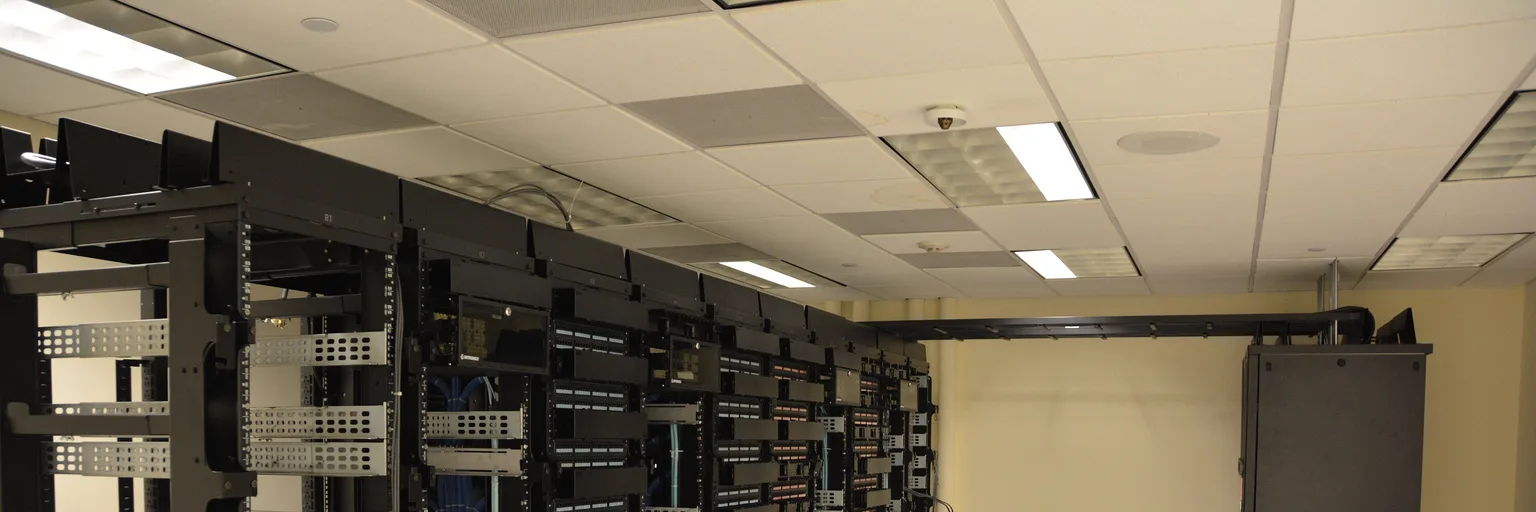
AI-generated image
What happens to a company that sells the shovels, lends the money to buy them and takes equity in the miners, when the miners' stocks start to fall? We may be about to find out. Nvidia has been turning from a chip supplier into the AI industry's banker, and the bill for that transformation may be arriving.
The trigger is the market's reaction to the neoclouds. Morningstar notes that on October 14 the sector sold off as yields on CoreWeave's 2032 bonds approached 15%, dragging down CoreWeave, Nebius, IREN and Oracle. In our view, that makes the neoclouds the place to watch for anyone worried about Nvidia's role as financier.
The moat was the silicon; the loan book is something else
For years Nvidia's strength was simple: everyone needed its chips and nobody could make equivalents. That is a moat. A stake in a customer is not. Per io-fund, Nvidia recently invested $2 billion in each of CoreWeave and Nebius. In August 2026, according to U.S. News, it announced a partnership with Apollo, BlackRock, Blackstone, Brookfield, Goldman Sachs and KKR to create capital pools of more than $500 billion for its customers.
Our view: this is a defensive move dressed up as a growth strategy. When your customers can't fund their own purchases at acceptable rates, you either lose sales or you pay for the sales yourself. Nvidia seems to have chosen the second. That is understandable, but it changes what you own. A chip supplier is exposed to demand; a financier is exposed to credit.
Neoclouds are the weakest link, and the numbers show it
The io-fund analysis points out that CoreWeave's estimated 2026 revenue is $12.6 billion and Nebius's is $3.4 billion, while commitments from hyperscalers and AI labs run an order of magnitude higher. Backlog is not cash. Turning contracted power into running data centers is extremely expensive, and neoclouds lack Big Tech's cash flow. Hence the debt, and, in our reading, the pressure on bonds yielding close to 15%.
When a company's customers borrow at rates like that, the market is telling you something about the quality of the collateral. We would not lean on one Reddit thread's claim that neocloud hardware loses over half its rental pricing power, since it is an anonymous forum post. But the underlying question is fair: what is a GPU worth in five years, and who bears the loss if it is less than the loan?
That question matters because of the structure. Michael Burry, as quoted by U.S. News, says the $500 billion plan involves Nvidia taking 25% stakes and providing residual value guarantees on chip purchases. We can't verify those terms beyond his statement, and he has a short position in Nvidia, so weigh it accordingly. Still, a residual value guarantee is precisely the kind of promise that looks free in a boom and costly in a bust.
The defense is real, but it only works if the loop holds
To be fair, Nvidia has a case. The company argued, according to Yahoo Finance, that AI labs are growing faster than their balance sheets can support, making access to compute the key constraint. A Siebert blog post makes a sharper point: Lucent's customers paid over years, while Nvidia says its customers pay within 53 days, which looks more like a receivable than vendor financing. That is a meaningful difference from the dot-com comparison, which ended with Lucent's revenue plummeting when customers went bankrupt.
But 53-day payment terms say nothing about the equity stakes, the guarantees or the capital pools. And the defense assumes end demand keeps growing. If neocloud funding costs keep rising, we think the weakest customers could stop ordering, and Nvidia might have to choose between writing down investments and extending more credit. Neither is a good look for a company whose valuation rests on being indispensable.
Our verdict
We don't think this is Enron, and we wouldn't predict a collapse. But the thesis that circular financing is a moat is wrong: it's a bet that the cheapest capital in the world will stay available to the riskiest borrowers. Nvidia's chips remain the real asset. The more it ties its balance sheet to customers' survival, the less its fate depends on its own engineering and the more it depends on credit markets.
What should readers do? Watch the CoreWeave bond yields before you watch Nvidia's earnings. If those yields fall, the pressure eases. If they keep climbing, expect the questions about the loan book to outrun the questions about the chips.
No topics yet: start the first one.
More stories
AI's missing payoff outside tech is the adoption gap the hype skipped
Apollo says non-tech companies show no AI profit gain. We think that means value is flowing to suppliers, and boards should demand measurable results now.

The AI boom now runs on credit, and credit is getting nervous
A pulled Solidigm IPO and distressed neocloud debt suggest the AI build-out has become a financing story, and the weak link is borrowed capacity without proven demand.
Google's Gmail and Photos ad shift only works if it's truly opt-in
Google's own pages promised it wouldn't use Drive, Gmail or Photos content for ads. The new exception may be narrow, but the only honest design is a clear opt-in.

If the models are so good, why is OpenAI still selling access?
A Hacker News thread asks why AI labs don't just build companies with their own models. The answer says more about AI's business reality than about its benchmarks.