The End of Passwords: Why Passwordless Authentication Isn't Just a Trend
Cybersecurity experts are pushing for an authentication evolution, and the rapid growth of passwordless solutions signifies a permanent shift in how we secure our digital lives.

AI-generated image
For decades, passwords have stood as the primary gatekeepers of our digital identities, a seemingly unshakeable pillar of online security. Yet, beneath this familiar facade, a growing consensus among cybersecurity experts points to a glaring vulnerability: passwords, in their traditional form, are on their way out. We are witnessing a monumental shift, one that promises to redefine how we interact with our digital world and, crucially, how we keep it safe.
This isn't merely a theoretical discussion; it's a transition already well underway. The global passwordless authentication market is expanding at a remarkable pace, projected by Grand View Research to grow at a compound annual growth rate of 17.1% from 2025 to 2030, reaching an estimated $55.70 billion by 2030. Another forecast from Fortune Business Insights anticipates growth from $24.85 billion in 2026 to $75.73 billion by 2034, with a CAGR of 14.95%. These figures underscore not just an emerging trend, but a fundamental realignment in cybersecurity strategy, signaling that passwordless authentication is fast becoming a reality rather than a futuristic concept, as highlighted by IDS Alliance.
Beyond Convenience: A Security Imperative
The most compelling argument for abandoning passwords is their inherent weakness. Despite countless warnings and best practices, easily guessable or compromised passwords have become a prime target and a fertile ground for cybercrime, as Revista Byte notes. They represent a significant weak link in our digital defenses. Passwordless authentication, in contrast, replaces these fragile keys with far more robust proofs of identity, such as FIDO2 keys or biometrics. This significantly reduces the risk of phishing attacks, a notorious threat, and minimizes the need for cumbersome password resets, according to Palo Alto Networks. The underlying principle here is a move from 'something you know' (which can be stolen or forgotten) to 'something you have' (like a device) or 'something you are' (your biometrics), offering a dramatically enhanced security posture.
The User Experience Revolution
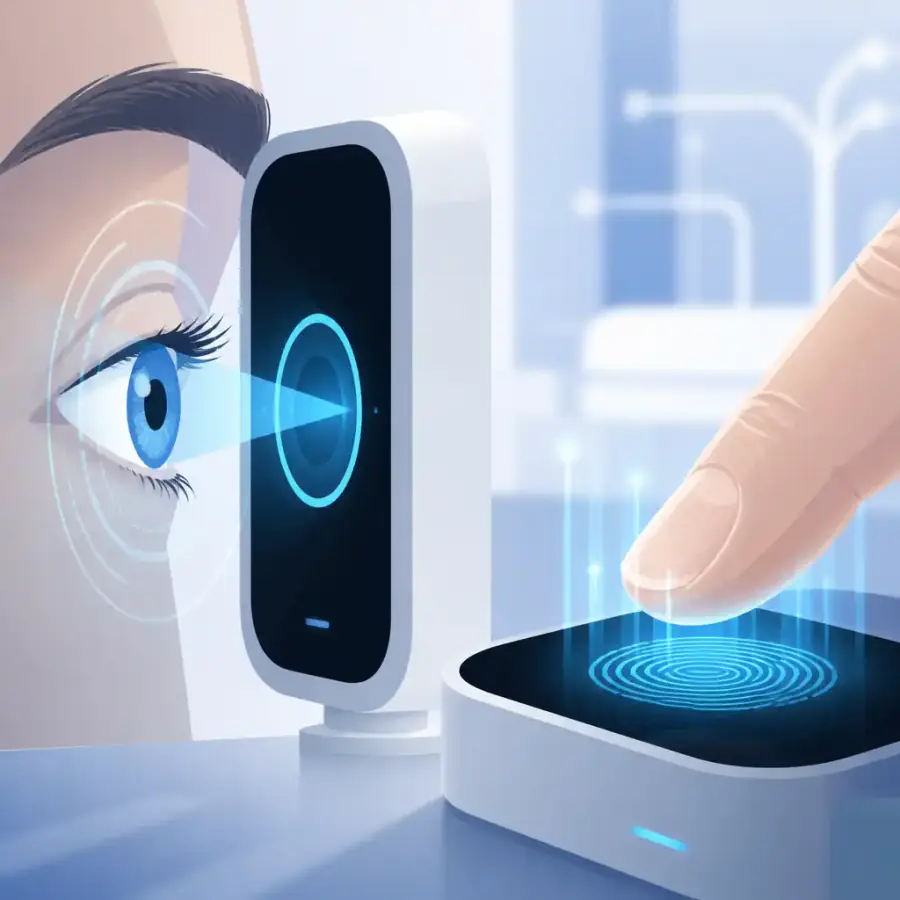
While security is paramount, the widespread adoption of any new technology often hinges on user experience. Here, passwordless authentication truly shines. We’ve all experienced the frustration of typing complex, lengthy passwords, especially on mobile devices, or struggling with forgotten credentials. Passwordless methods are typically much faster and more intuitive. A quick fingerprint scan, facial recognition, or a simple tap on a trusted device dramatically outperforms the tedious process of entering intricate character strings, as Huntress highlights. This streamlined experience isn't just a nicety; it reduces friction, encourages better security practices by removing barriers, and ultimately makes our digital lives less cumbersome. This blend of enhanced security and ease of use is a powerful catalyst for its rapid adoption.
Economic Benefits and Organizational Adoption
The advantages of passwordless authentication extend beyond individual users to the organizations that implement it. For businesses, the operational costs associated with managing traditional password systems — including helpdesk calls for resets, account lockouts, and the investigation of breaches stemming from weak passwords — are substantial. Passwordless solutions promise to significantly reduce these overheads. As ISACA observes, this approach offers not just enhanced security and streamlined user experiences, but also reduced operational costs. This trifecta of benefits is driving increasing adoption across various sectors. Companies are embracing passkeys, biometrics, and device-based credentials, recognizing that this is not merely a technological upgrade but a strategic move that delivers tangible value. Projections like Gartner's forecast that by 2025, over 50% of workforce authentication transactions and more than 20% of customer logins will be passwordless, as cited by MojoAuth, underscore this widespread organizational shift.
It is clear that passwordless authentication is no longer a distant dream but a critical, growing component of our present digital reality. The days of relying solely on easy-to-guess character strings are fading. The benefits — from superior security against prevalent threats like phishing to a dramatically improved and more efficient user experience, coupled with significant operational savings for businesses — paint a compelling picture. As we move forward, embracing solutions like passkeys and biometrics is not just an option; it's an essential step for anyone looking to navigate the increasingly complex digital landscape securely and effectively. The future of online interaction will undoubtedly be defined by this smarter, faster, and more secure approach to identity verification.
No topics yet: start the first one.
More stories
Connected Cars: Your Personal Data's New Surveillance Device
Modern connected vehicles are collecting and sharing vast personal data, transforming into mobile surveillance devices with significant privacy implications.
Cloudflare OHTTP Gateway: The quiet revolution in online privacy
Cloudflare's move to offer an Oblivious HTTP gateway service could fundamentally reshape how we think about web privacy, making anonymous interactions a standard rather than an exception.

The Unending Battle: Linux Kernel Vulnerabilities Demand Constant Vigilance
The ongoing stream of critical vulnerabilities in the Linux kernel demands continuous vigilance and proactive security measures, especially considering its pervasive use across critical infrastructure and embedded systems.