Teknosfera Newsroom
DuckDB 2.0 Makes the Case for Keeping Analytics Close to the Data
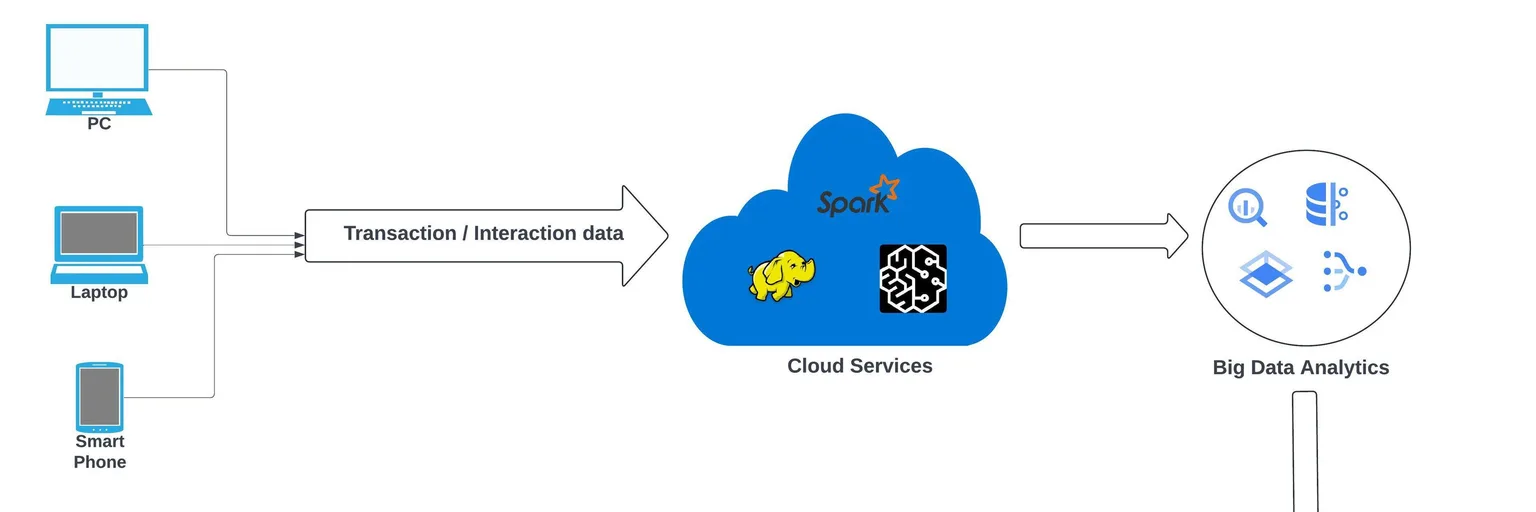
DuckDB 2.0 does not reject the cloud; it argues that local execution, embedded analytics and selective remote scale belong in the same data architecture.
DuckDB 2.0 does not reject the cloud; it argues that local execution, embedded analytics and selective remote scale belong in the same data architecture.
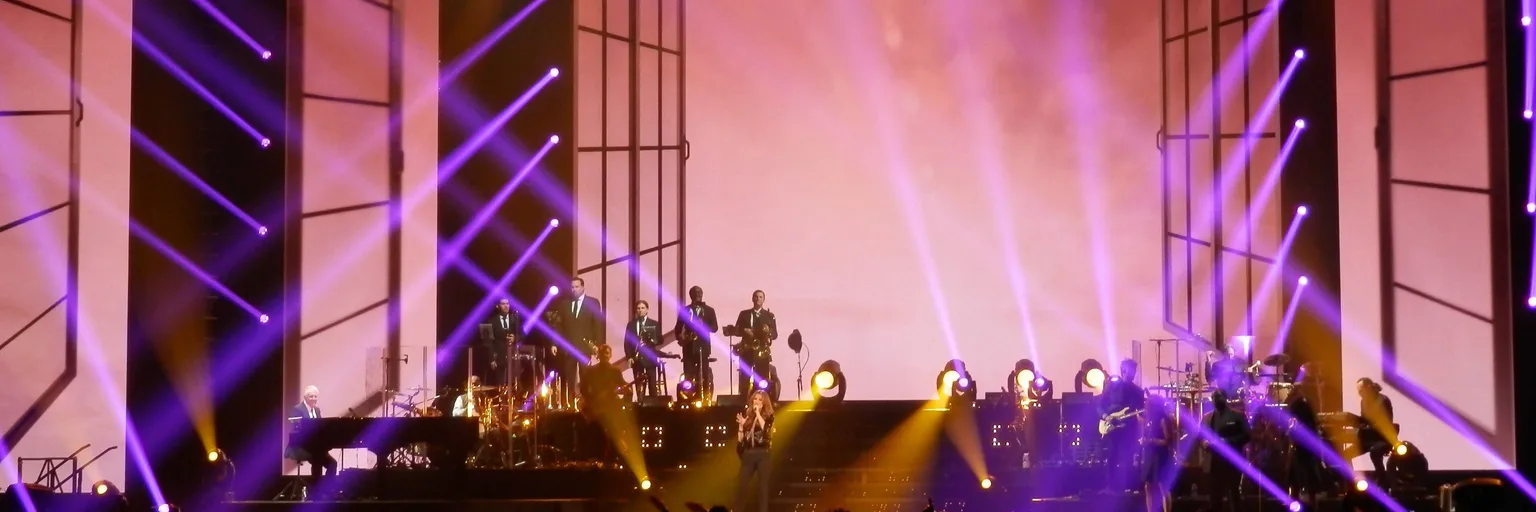
L-Acoustics’ work on Céline Dion’s Paris concerts shows AI’s best live-music role: making real performances clearer without quietly changing them.
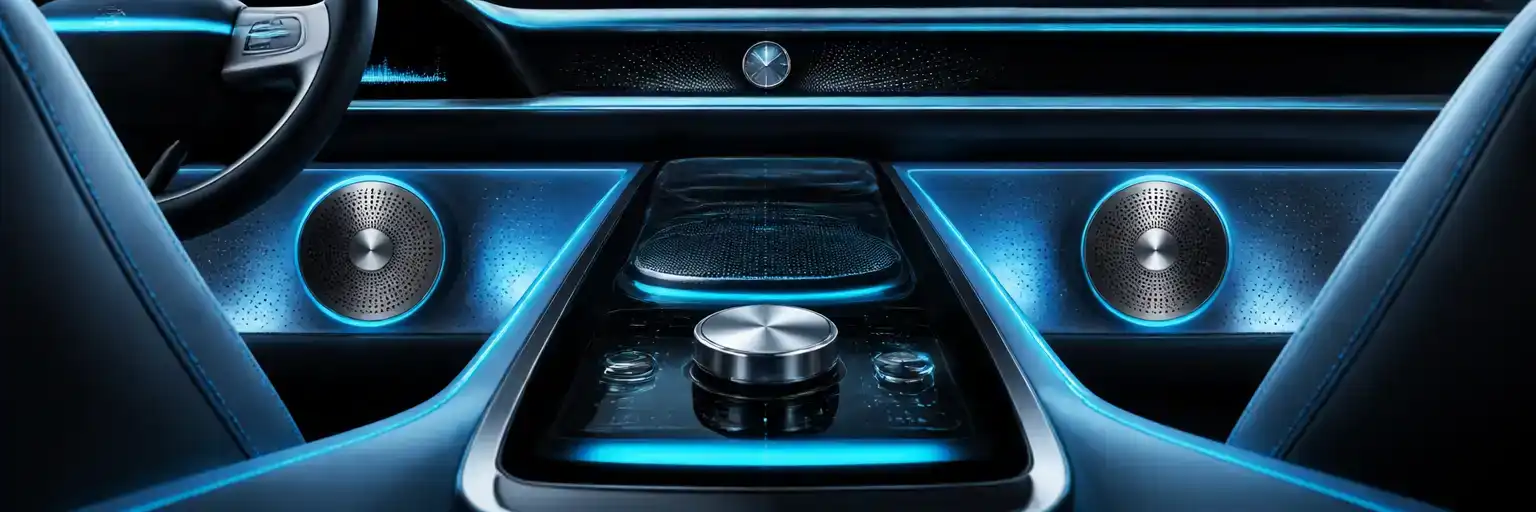
Porsche's move to integrate gallium nitride into its Burmester sound systems from 2027 isn't just an upgrade; it's a fundamental shift promising unparalleled efficiency and fidelity for in-car sound.
By prioritizing its own silicon for AI, Microsoft is not just cutting costs but fundamentally reshaping the competitive landscape for cloud intelligence and challenging established hardware giants.
Despite impressive benchmarks and groundbreaking efficiency, DeepSeek 4.1 Flash isn't a household name, raising questions about what it takes for an open-weight model to truly disrupt the AI elite.
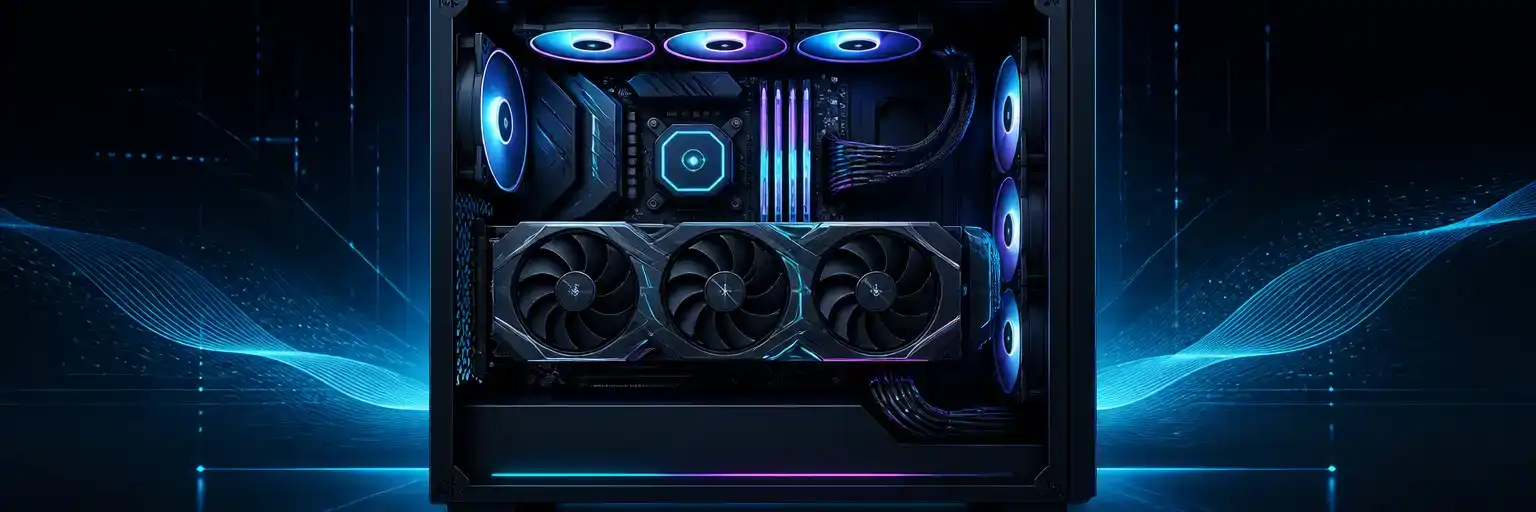
Microsoft's Advanced Shader Delivery is expanding to all NVIDIA RTX GPUs this month, promising to slash load times by up to 90% and eliminate shader stutter, fundamentally enhancing the PC gaming experience across generations.
The emerging trend of users disabling Apple Intelligence on macOS 27 and recovering significant disk space underscores a critical demand for granular control over AI features, pushing tech companies to prioritize user choice and device performance.
SvelteKit 3's bold embrace of remote functions and compile-time optimizations positions it as a formidable challenger to established frameworks, despite lingering questions about large-scale project scalability.