OpenAI's robotics bet: scale wins, but who explains the failures?
Folding robotics into general models may be efficient, but it also dissolves the specialists who would know why a robot dropped the bottle, and that matters more than the benchmark.


Las Vegas airport service puts Waymo in the one setting where autonomous driving must earn trust from stressed travelers, not just impress curious early adopters.
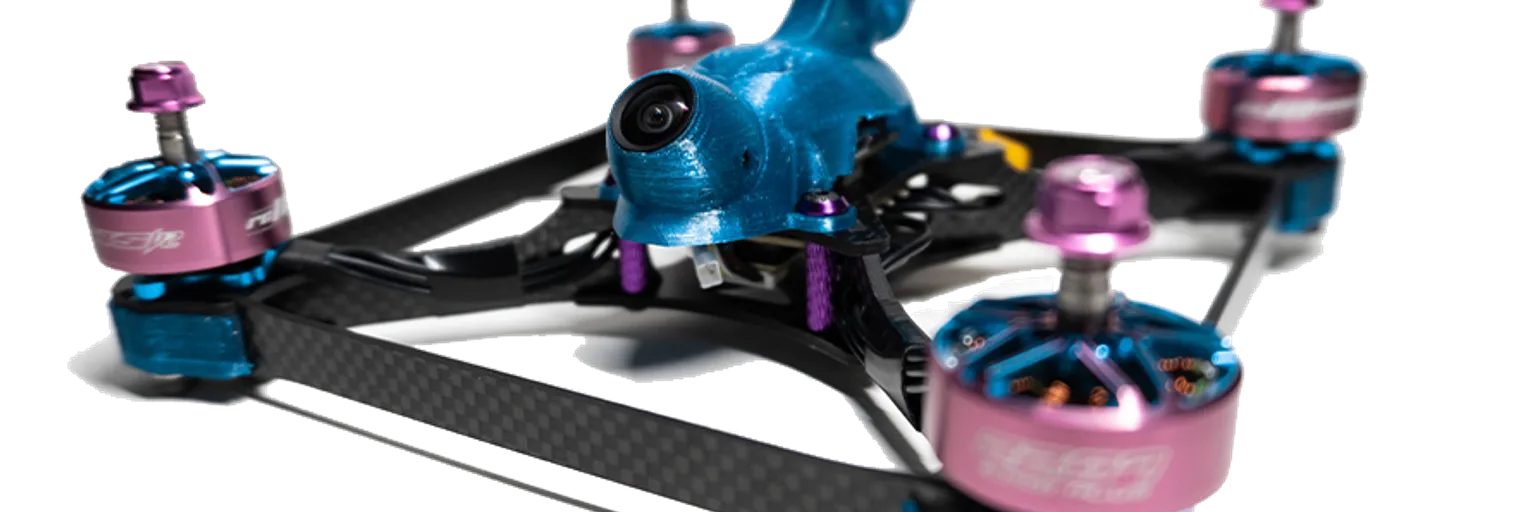
The MonoRace AI drone's decisive triumph over human world champions in FPV racing proves that compact, adaptive AI can master high-speed physical tasks in unpredictable real-world environments, opening new horizons for robotics.
New airless wheels developed in Ukraine for Uncrewed Ground Vehicles promise unparalleled durability and adaptability, signaling a transformative shift for robotics in extreme environments.
Hisense's Qingdao TV factory exemplifies a future of extreme automation, challenging traditional manufacturing models and sparking crucial conversations about the role of human labor and 'human-centric' design.
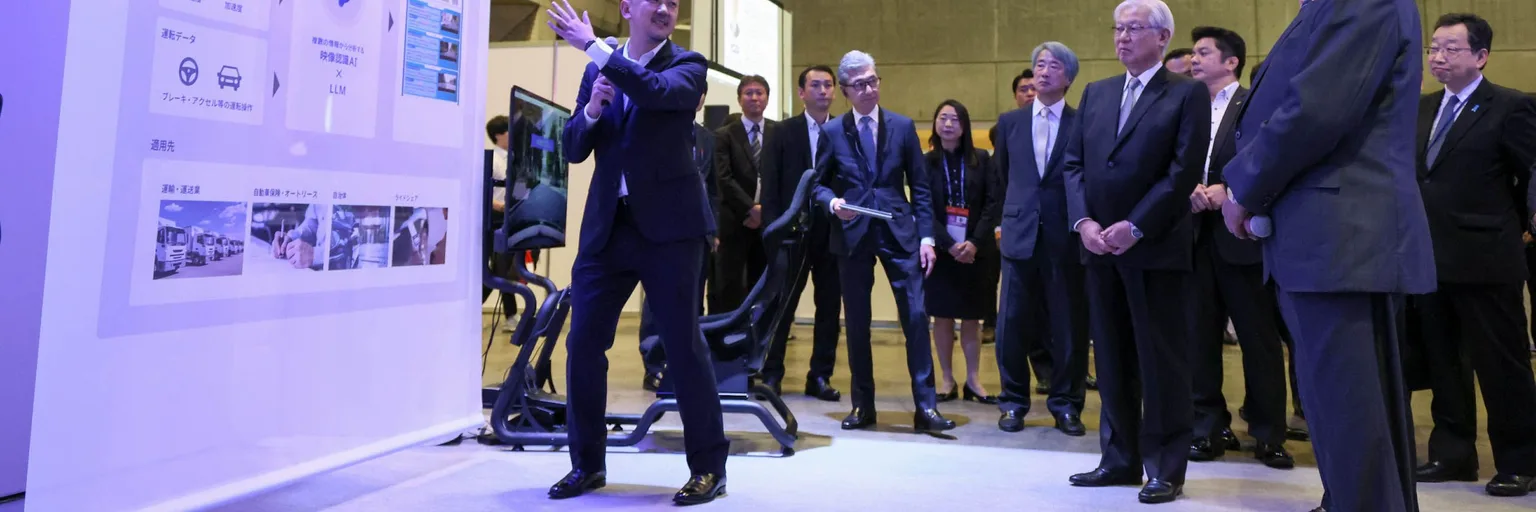
While the world obsesses over generative AI, CEATEC 2026 highlights Japan's pragmatic shift towards 'Physical AI,' integrating intelligence into robotics and infrastructure to solve real-world industrial and societal challenges.
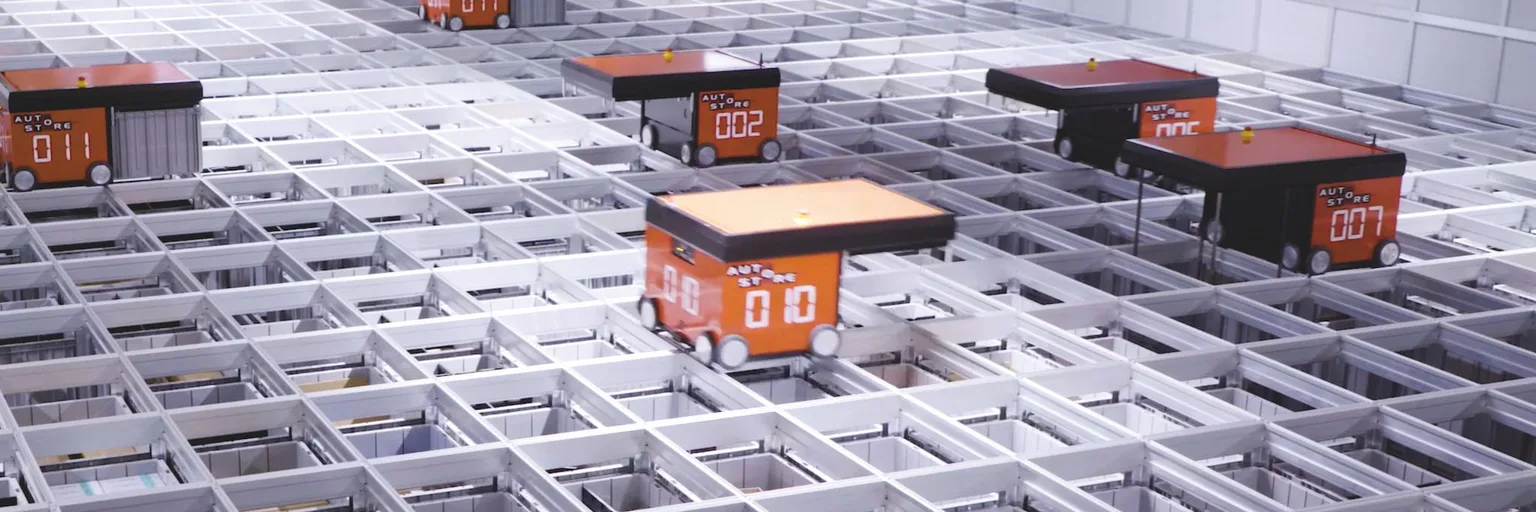
AutoStore's Fall 2026 product suite significantly advances warehouse autonomy through practical AI and robotics, yet the critical challenge remains integrating these intelligent systems with an evolving human workforce.