Teknosfera Newsroom
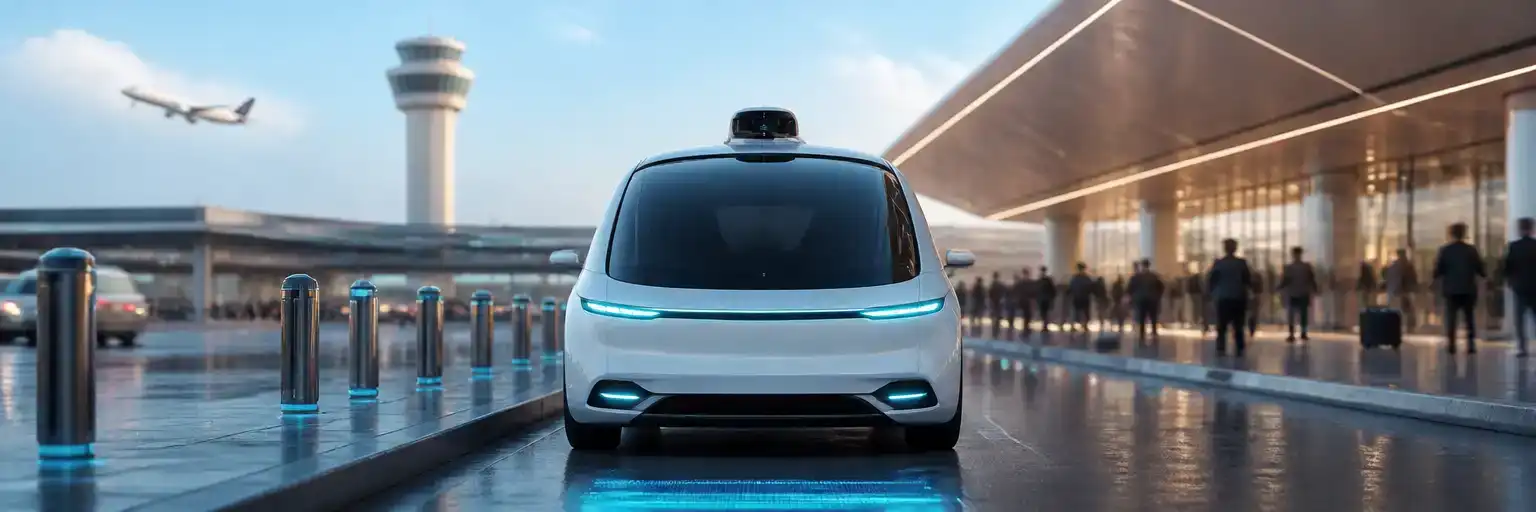
Waymo’s Airport Test Is Bigger Than Another Robotaxi Launch
Las Vegas airport service puts Waymo in the one setting where autonomous driving must earn trust from stressed travelers, not just impress curious early adopters.
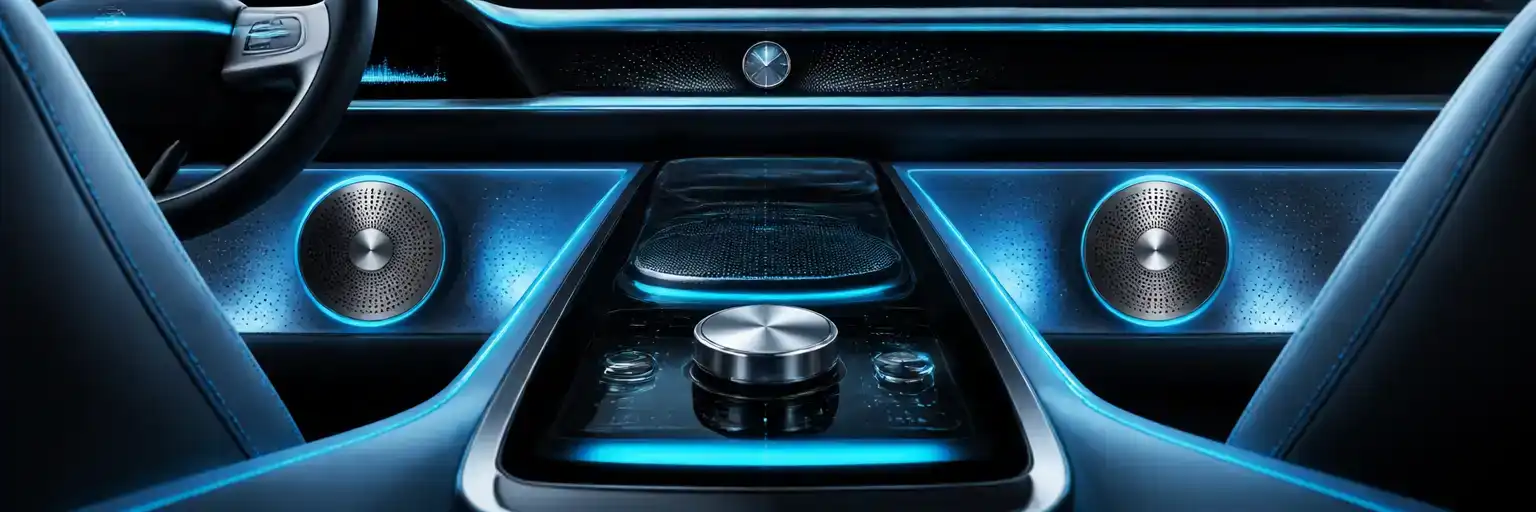
Porsche's move to integrate gallium nitride into its Burmester sound systems from 2027 isn't just an upgrade; it's a fundamental shift promising unparalleled efficiency and fidelity for in-car sound.
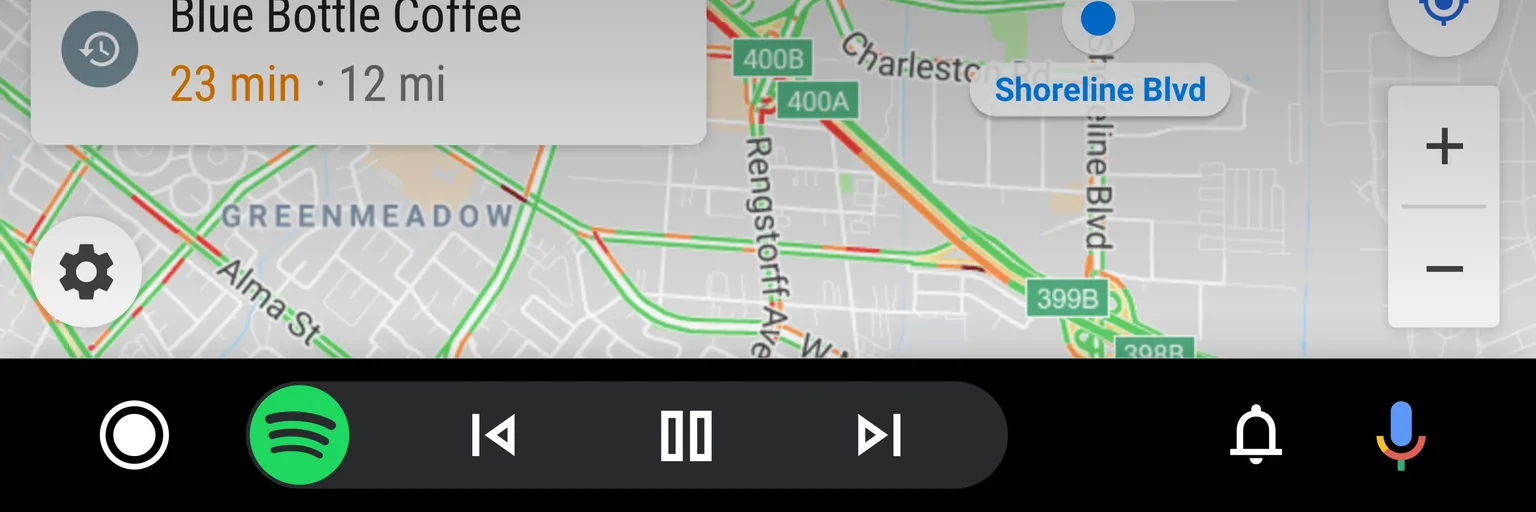
The latest Android Auto update goes far beyond app projection, signaling Google's strategic shift to integrate deeper AI and direct vehicle controls, challenging Apple CarPlay's dominance.
Slovakia's approval of Tesla Assisted Driving marks a strategic win, but the patchwork of national regulations and differing interpretations of autonomy highlight persistent hurdles for true pan-European adoption.
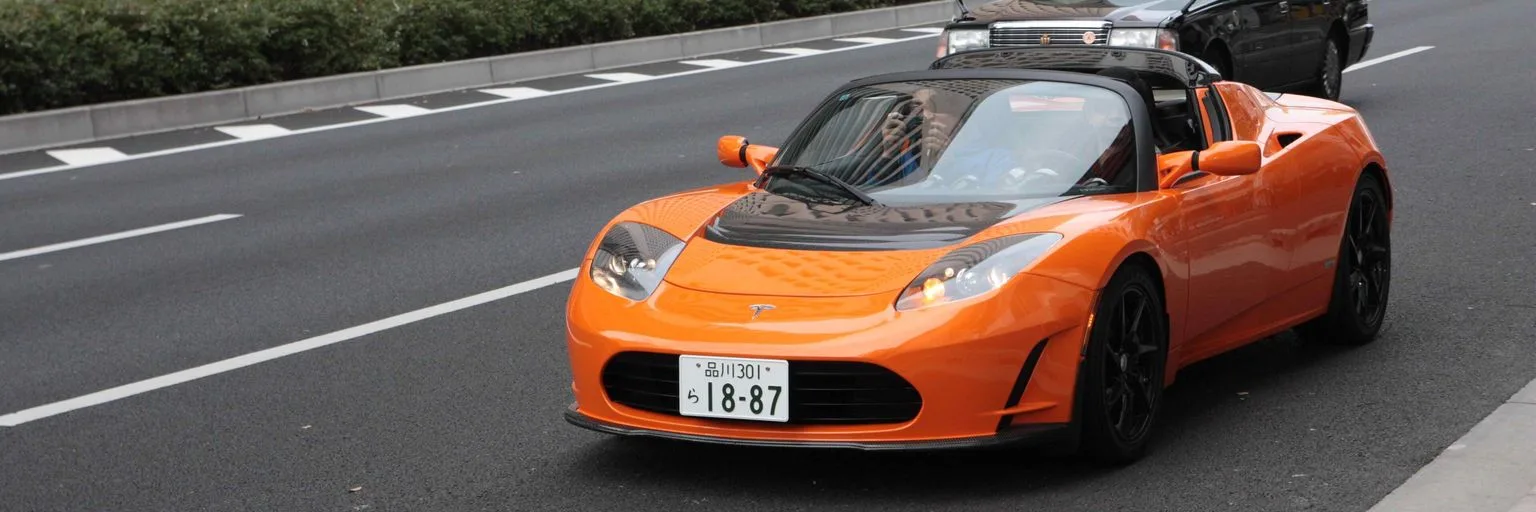
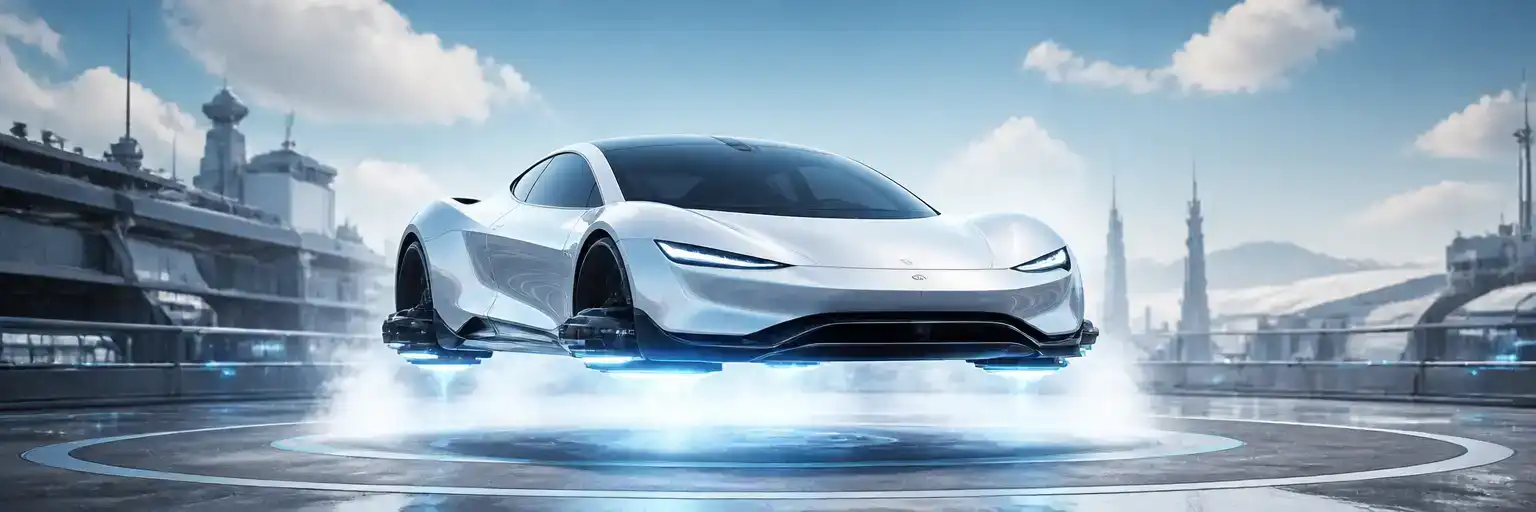
While the new Roadster’s 'flying' capabilities and sub-one-second acceleration push the limits of credibility, this grand unveiling signals a deeper hunger for genuinely disruptive mobility that blends automotive and aerospace engineering.
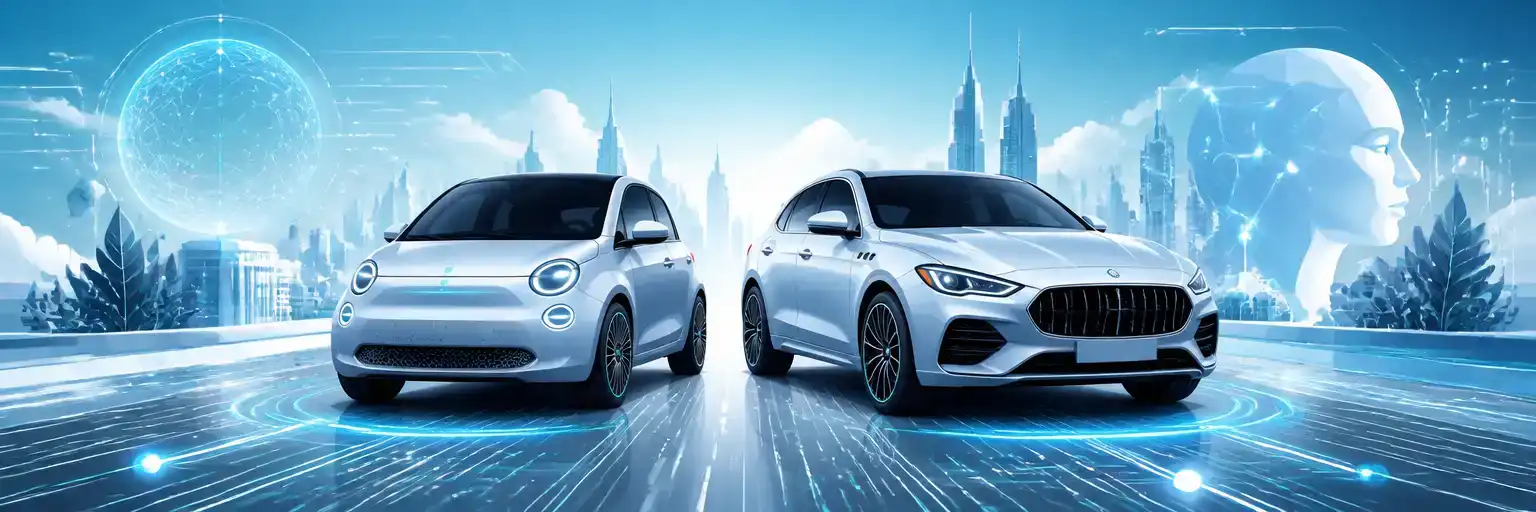
Stellantis and Wayve are bringing hands-free AI driving to the market by 2028, with initial deployment targeting North America, starting with Fiat 500e and Maserati Grecale prototypes.
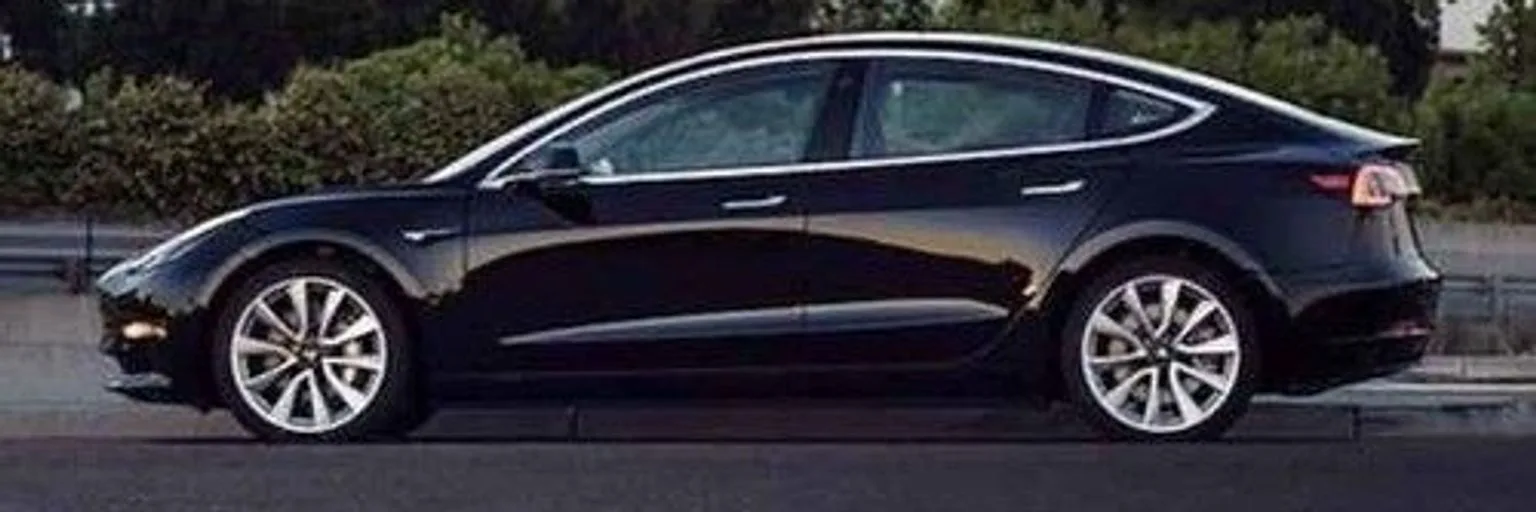
By refining existing models with key upgrades like extended range and a larger, higher-resolution screen, Tesla is solidifying its market position without relying solely on splashy new launches.
The European Union's move to limit Chinese hybrid vehicle imports is a clear protectionist strategy to safeguard its auto industry, but it risks limiting consumer choice and potentially slowing the green transition.