Microsoft's 60,000 buyouts show "AI efficiency" is a headcount play
Microsoft is offering exits to about a quarter of its staff while pouring billions into data centers. Employees should read that offer as a signal, not a perk.
Photo: Loominade / Wikimedia Commons (CC0)
When a company tells a quarter of its workforce that it would like to help them "shape their next chapter," is that generosity or arithmetic? At Microsoft, we think it's arithmetic with a nice memo on top.
Microsoft said Monday that it is offering a Voluntary Exit Offer to around 60,000 employees in the US, Canada, India and the UK, at level 70 and below. CNBC puts that at about 27% of a 223,000-person workforce. Those who accept leave December 31, and the decision is due in early December. The terms mirror standard severance: tenure-based pay, continued stock vesting, healthcare for a fixed period and career transition help, per The Next Web, citing GeekWire.
The money is moving from payroll to concrete
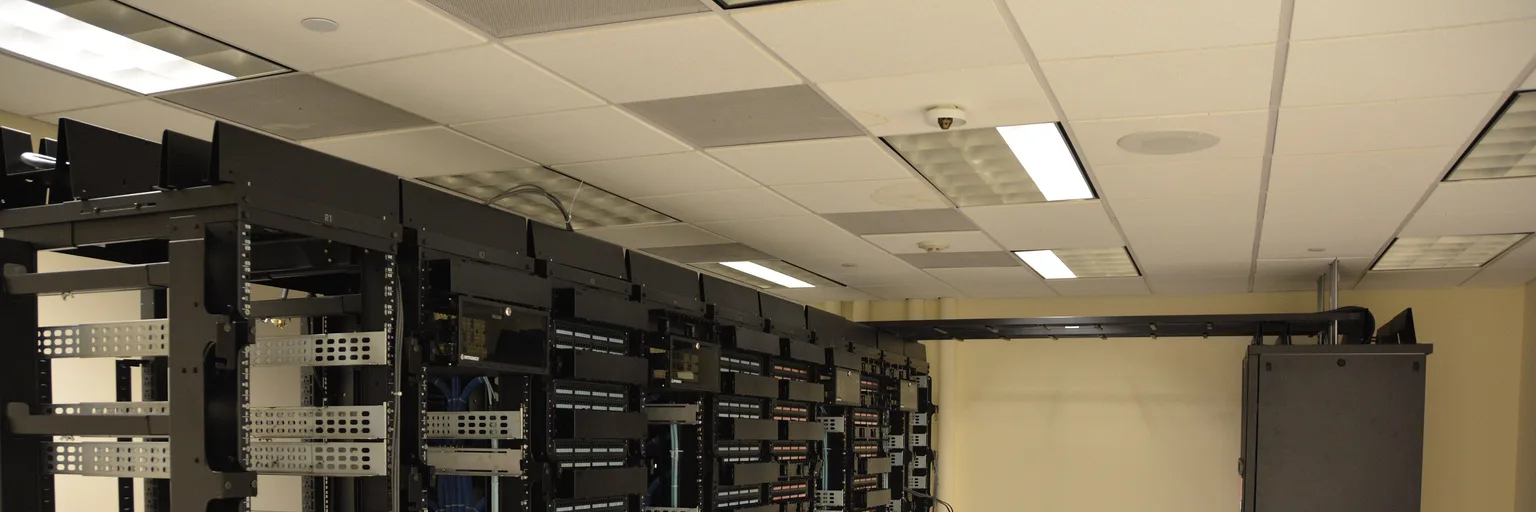
Look at what sits on the other side of the ledger. Microsoft said in July that capital expenditures for the September quarter would exceed $50 billion, against $34.9 billion a year earlier. NBC News reports a forecast of $175 billion in capital expenditures for the 2026 calendar year. That is the real story. Data centers and chips are being paid for somewhere, and people are the most flexible line item.
Microsoft's own framing is careful. A spokesperson told GeekWire the offer is not a sign that the company needs fewer employees, and the July memo said the eliminated roles were "not being replaced by AI." Take both at face value if you like. Our reading is that they can be literally true and still beside the point. Nobody needs to replace a person with a model for AI to cut headcount. It's enough that the AI bill makes every other budget line look expensive.
That is why "AI efficiency" is a slippery phrase. In this case, the efficiency being pursued is capital efficiency: keeping free cash flow healthy, which was $19.64 billion last quarter, down 23%, while spending at record levels. Productivity gains from AI tools may be real, and CNBC says Microsoft has seen noticeable results. But the buyout is aimed at the balance sheet, not at a measured drop in work to be done.
A "voluntary" offer is still a decision made for you
Buyouts are gentler than layoffs, and we won't pretend otherwise. TechCrunch notes they let Microsoft shrink without the disruption of mass cuts. But the same company cut 4,800 jobs in July, and says the new offer doesn't replace layoffs, which remain an option depending on business conditions.
Read that sentence as an employee. The offer is the friendly door, and the unfriendly one has not been bricked up. The package matches standard severance, so there's no sweetener for going early. Our view: a worker in an eligible team, such as Windows, Xbox, Copilot, finance or HR, shouldn't ask "is this a good deal?" but "what does my organization's leadership think of my team's future?" Business leaders decide whether their teams participate, which means the list of participating groups is itself a kind of internal forecast.
The list is also uneven. Sales is out, and reportedly so are marketing and security, depending on the outlet. The pattern suggests the company is protecting revenue-facing and risk-facing functions. Teams that are inside the program are, by implication, where leadership sees room to adjust. That's inference, not fact, but it's a reasonable one.
What workers should actually do
First, don't treat the offer as an emergency exit or as a vote of confidence. Treat it as data. Microsoft told GeekWire it expects a much smaller share to accept than the roughly 30% who took April's retirement program, which was open to about 8,750 people. A smaller uptake could make involuntary options more likely, though that's our speculation, not something the company has said.
Second, know your rights. HCA Magazine notes that for workers 40 and older, US rules on group exit incentives generally require 45 days to consider a waiver and seven days to revoke it. Microsoft's memo doesn't say whether it is seeking waivers, so ask before the early-December deadline, and check the details with an employment lawyer.
Third, remember you're not alone. HCA Magazine points to American Express cutting 5% and Barclays cutting 5,000 jobs with AI cited as a lever. When everyone reaches for the same playbook, the market for your skills is not Microsoft alone.
Our verdict: the offer is neither a scandal nor a gift. It's an honest, if euphemistic, sign that the AI boom is being financed in part by shrinking the human side of the company. Take it seriously as information. Whether to take the money is a personal call, but anyone who still sees "AI efficiency" as a story about tools rather than budgets is reading the wrong page.
No topics yet: start the first one.
More stories
Alphabet's $500B wipeout is a verdict on AI capex, not a one-off
Alphabet's worst day ever and Amazon's wobble show investors have stopped paying for AI promises. Now the giants must prove returns, and not all can.

Intel's post-earnings plunge shows the PC slump is the AI boom's collateral damage
Intel beat the quarter and still saw its shares sink after hours. The real story isn't a turnaround stumbling; it's PCs getting squeezed while the money flows elsewhere.

Amazon's cloud boom no longer buys AI capex a free pass
AWS posted its fastest growth in years and Wall Street still sold Amazon. The AI race is turning into a balance-sheet contest, and cash coverage is the new scoreboard.

Canada's $1.6B Cohere bet only works if the champion has compute
Ottawa, Schwarz Group and Nvidia are funding sovereign AI through a national champion, but the flag is the easy part and compute and paying customers are the real test.