Apple Pass Designer: The Quiet Engine Powering a Cardless Future
Apple's new Pass Designer is not just a developer tool; it's a strategic move to accelerate the digital wallet revolution, making virtual cards so seamless and feature-rich that physical alternatives will soon feel obsolete.

AI-generated image
Developer tools often operate behind the scenes, yet sometimes, a new offering reveals a strategic shift that will profoundly impact everyday users. Apple's introduction of Pass Designer is precisely one such instance, signaling a critical turning point in the relentless march towards a truly cardless future. This isn't just a technical update; it's a foundational move designed to accelerate the ubiquity of digital wallets by making them easier to create and more compelling to use.
At WWDC26, Apple unveiled Pass Designer and Pass Builder, a potent duo of tools aimed at simplifying the creation of digital Wallet passes, as developer.apple.com announced. The Pass Designer app, introduced for macOS 27, offers a visual interface for developers to build, edit semantic tags, and preview passes in real-time, observing exactly how they will appear to users ((https://developer.apple.com/documentation/walletpasses/creating-a-pass-with-pass-designer),(https://www.reddit.com/r/MacOS/comments/1wqkxr3/apple_introduces_pass_designer_app_for_macos_27/)). This coincides with iOS 27 bringing a suite of enhancements to Apple Wallet, including improved hotel keys, new barcode types, and a flexible pass actions API, alongside a new Poster Generic pass template for loyalty, rewards, membership, or gift cards, as MacRumors reported.
Democratizing the Digital Wallet Experience
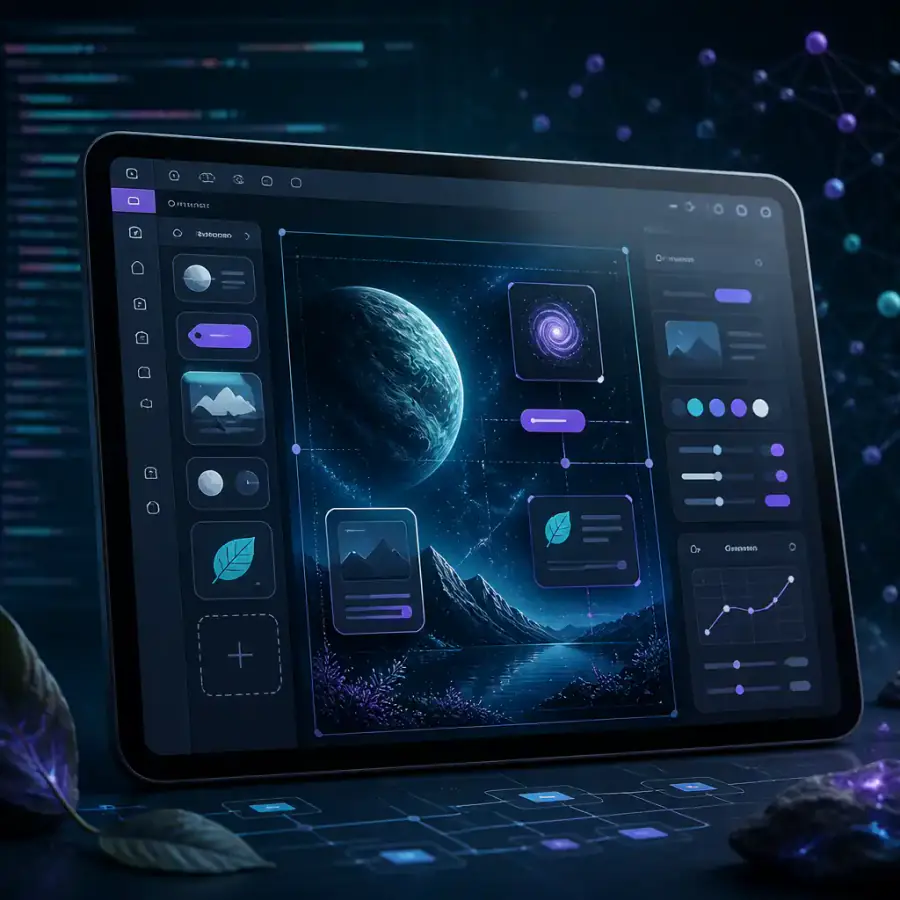
The most significant implication of Pass Designer lies in its ability to democratize the creation of advanced digital wallet experiences. Historically, crafting compelling digital passes required a deeper dive into technical specifications. Now, with a visual editor, developers can create layouts, adjust colors and fields, and immediately see how the pass will look to the end user ((https://www.passcreator.com/en/pass-designer-for-apple-wallet-from-design-to-distribution)). The ability to edit semantic tags directly in the UI and view passes side-by-side simplifies complex development tasks ((https://developer.apple.com/pass-designer/)). This visual approach drastically lowers the barrier to entry, enabling more businesses—from small local shops to large enterprises—to offer sophisticated, branded passes in Apple Wallet. This increased accessibility for creators inevitably translates to a richer, more diverse ecosystem of digital cards for consumers.
Beyond Simple Transactions: The Augmented Wallet
Pass Designer is not merely about replicating physical cards digitally; it's about augmenting them with interactive functionality. The introduction of interactive tiles and enhanced pass actions transforms a static digital card into a dynamic touchpoint. Imagine a loyalty card that shows your current points balance and instantly offers a personalized discount based on your location, or an event ticket that updates with real-time gate information and transport links. These new capabilities, combined with support for a wider array of barcode formats, make Wallet passes more than just a payment method or an entry credential; they become intelligent, responsive tools tailored to specific contexts. This focus on
No topics yet: start the first one.
More stories
Orion's Leap: Challenging Browser Monoculture with Privacy and WebKit
Orion's expansion to Linux and Windows signals a vital shift towards greater browser engine diversity and privacy, offering a potent counter-narrative to the prevailing Chromium dominance.

Git 3.0's SHA-256 Shift: A Costly but Essential Upgrade
The impending transition to SHA-256 in Git 3.0, while costly for many, is a crucial step for long-term security and integrity, underscoring a vital trade-off between legacy compatibility and future-proofing.

SvelteKit 3: The Radical Leap Challenging Web Dev Norms
SvelteKit 3's bold embrace of remote functions and compile-time optimizations positions it as a formidable challenger to established frameworks, despite lingering questions about large-scale project scalability.