Amazon's $7 Billion Decart Play: Seizing AI Chip Agility
Amazon's reported pursuit of Decart AI for an estimated $7 billion isn't just another acquisition; it's a strategic maneuver to control the underlying infrastructure of the burgeoning artificial intelligence economy, especially in chip interoperability.
AI-generated image
Is the ongoing AI arms race fundamentally reshaping how tech giants approach their core infrastructure? Amazon's reported talks to acquire the AI startup Decart for approximately $7 billion strongly suggest that it is, signaling a profound shift in the battle for technological supremacy. This isn't merely about buying talent; it's a calculated move to secure a critical piece of the future AI landscape.
According to reports from outlets like The Wall Street Journal and Reuters, Amazon.com Inc. is deep in negotiations to acquire Decart AI. The San Francisco company, founded in 2023 by Israeli engineers Dean and Orian Leitersdorf and Moshe Shalev, specializes in software that makes it significantly easier for developers to switch between different AI chips. This potential deal comes after Anthropic, the developer behind the Claude AI chatbot, reportedly walked away from a $6 billion deal to acquire Decart in September, according to CTech.
The Unseen Value of Chip Agility
Decart AI's core offering—software that simplifies switching between various AI chips—addresses a crucial bottleneck in the rapidly evolving artificial intelligence ecosystem. In an environment where specialized AI chips, primarily Graphics Processing Units (GPUs) from companies like Nvidia, are both expensive and in high demand, flexibility is paramount. Amazon, with its own custom Trainium3 chip developed to compete in this market, clearly understands the value of this agility. Providing developers the ability to seamlessly move their workloads between different hardware architectures not only reduces vendor lock-in but also optimizes resource allocation, potentially leading to significant cost savings and performance gains. This capability becomes even more critical as companies scramble for computing power, making Decart's technology a strategic asset that could empower developers on Amazon Web Services (AWS) to fully leverage diverse hardware options, including Amazon's own specialized silicon.
Amazon's Ambitious AI Playbook
This reported $7 billion acquisition, if it materializes, would be one of Amazon's largest to date, surpassing its $6.5 billion purchase of MGM in 2022. It signals a serious acceleration of Amazon's AI strategy, which extends beyond its e-commerce and cloud services. We've already seen Amazon's commitment to AI in other areas, such as expanding its Seller Assistant to act as an
No topics yet: start the first one.
More stories
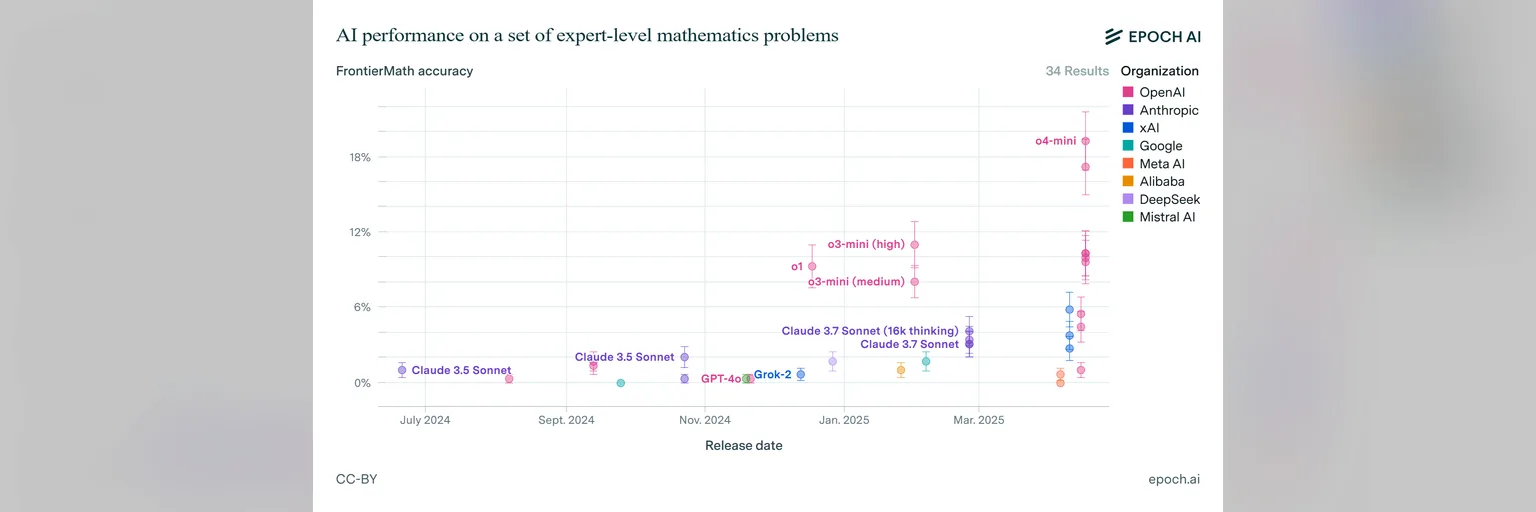
AI's Math Feats: A Crisis of Confidence or a New Era of Discovery?
The recent surge of AI breakthroughs in complex mathematics is forcing the community to confront an existential quandary: will human intellect be eclipsed, or will these powerful tools usher in an unprecedented era of collaborative discovery?
America's AI Ambition Collides with Public Doubt and Ethical Gaps
While the Pentagon rapidly integrates AI into warfare and Washington champions AI supremacy, most Americans fear its swift development, demanding a robust regulatory framework that is currently lacking.

Anthropic's 'Kindness' Policy: Protection or Paternalism?
Anthropic's new ban on 'abusive and cruel' AI interactions signals a crucial shift towards defining human-AI boundaries, focusing more on human conduct than AI sentience.

The Hidden Cost of 'Living' AI in Gaming: A Developer's Dilemma
While AI-driven dialogue and generative content promise revolutionary interactive game experiences, soaring operational expenses for real-time AI interactions present a significant and perhaps unsustainable economic barrier for developers.