Teknosfera Newsroom
The Riemann headline is noise. The speed of the check is the story
A claimed AI-assisted proof of the Riemann Hypothesis is worth nothing until experts verify it. What stands out is how quickly they can now check it.
OpenAI says its models cracked three decades-old problems. Without public proofs, methods and outside scrutiny, that is a claim, not a discovery, and the company seems to know it.
The Association for Human Mathematics pledge defends something real. But abstaining won't stop AI from entering the field, and the fight that matters is over verification and credit.
Artificial intelligence promises universal acceleration, yet its real-world integration exposes significant economic disparities, skills gaps, and profound challenges across diverse fields from mathematics to media.
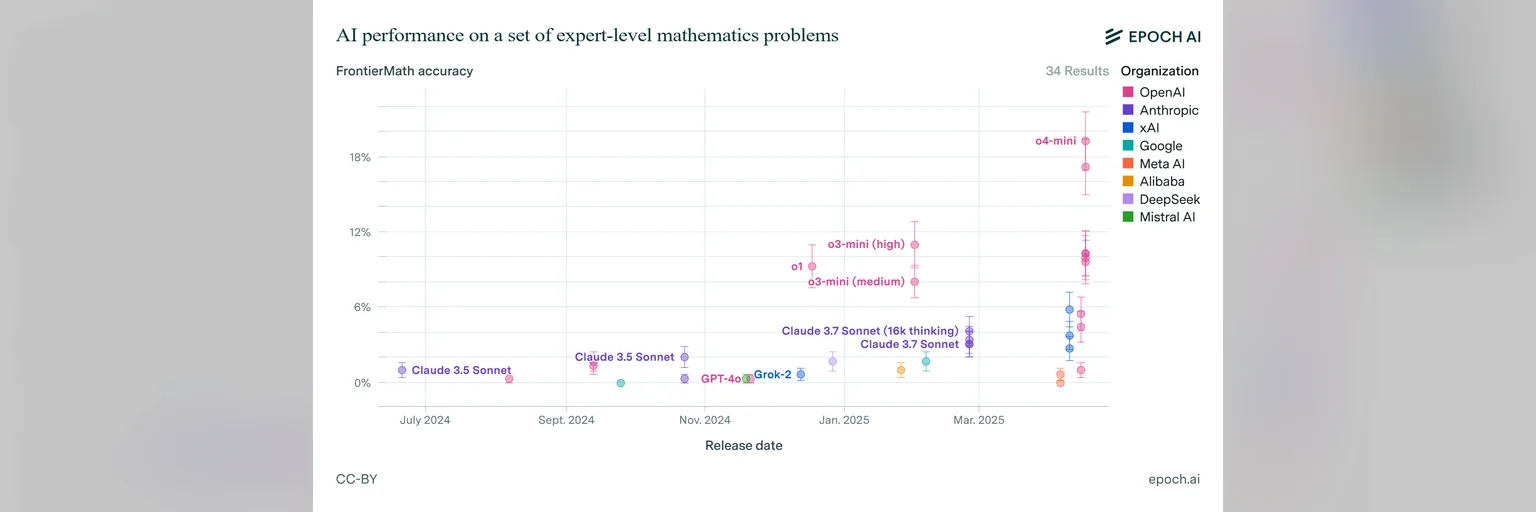
The recent surge of AI breakthroughs in complex mathematics is forcing the community to confront an existential quandary: will human intellect be eclipsed, or will these powerful tools usher in an unprecedented era of collaborative discovery?