Kindle 2026: A Thoughtful Evolution, But Is It Enough to Compete?
Amazon's latest Kindle lineup introduces significant, consumer-friendly changes that enhance the reading experience, yet the market's shift toward versatile devices poses an ongoing challenge.
Photo: Olgierd Rudak / Wikimedia Commons (CC0)
In an era saturated with multi-purpose tablets and smartphones, does a dedicated e-reader still hold its ground? This question invariably arises with each new iteration of Amazon's Kindle, and the recently launched 2026 lineup, released on October 1, 2026, presents a fascinating test case. While the foundational concept of a distraction-free reading device remains unchanged, Amazon has introduced a series of refinements that are more substantial than mere incremental tweaks, potentially challenging the notion that the e-reader market is stagnant.
Amazon's new collection of Kindles isn't just a facelift; it represents a more comprehensive redesign across its e-reader family, from the basic Kindle to the new Colorsoft models. Key among the changes are a flush-front display, fresh color options, and for the first time, a Bluetooth page-turn remote for some models [8]. The entry-level 2026 Kindle, priced at $149.99 [6], showcases many of these updates, aiming to deliver a seamless reading experience.
Empowering Longevity with User-Replaceable Batteries
Perhaps the most significant, albeit less flashy, innovation in the 2026 Kindle lineup is the embrace of user-replaceable batteries across all models, including the basic Kindle, Paperwhite, and Colorsoft editions [2]. This crucial change is largely driven by upcoming European Union regulations, pushing Amazon to pivot from tightly glued designs to those with removable back panels [2]. For consumers, this means greater device longevity and reduced electronic waste, as worn-out batteries no longer necessitate a full device replacement. Users can now easily check battery health and access official replacement instructions and kits via QR codes within the device's firmware [2]. This move is a welcome shift towards sustainability and user empowerment, offering a practical advantage that multipurpose tablets often lack due to their sealed designs.
Design Refinements Enhance Portability and Comfort
While the core specs of the entry-level Kindle—a 6-inch screen with 300 ppi resolution and a built-in front light—remain consistent with previous generations, the physical design has seen meaningful improvements [6]. The 2026 Kindle now boasts a flush-front display, eliminating the raised border of the 2024 model and creating a more uniform aesthetic across the entire Kindle range [6]. Furthermore, Amazon has managed to shave off 18 grams (.66 ounces) from the basic Kindle's weight, making it noticeably lighter and more comfortable for extended reading sessions or travel [6]. The power button has also been smartly relocated to the side of the device, a small but impactful detail that addresses long-standing user feedback [6]. These changes, coupled with a vibrant new palette of colors like ube, graphite, alpine sky, and seaglass green, demonstrate a thoughtful approach to enhancing ergonomics and user experience, even if they don't revolutionize the core function.
A Smoother, More Responsive Reading Experience
Beyond the physical changes, Amazon claims a 30 percent speed improvement for the 2026 Kindle over its 2024 predecessor [6]. While precise verification of this figure in real-world use can be subjective, the consensus suggests a genuinely speedy and responsive device. Books open quickly, pages turn swiftly, and adjusting font sizes or navigating menus feels instantaneous [6]. This enhanced performance contributes to a remarkably smooth reading experience, minimizing the friction between the reader and the content. However, it's important to note the entry-level Kindle still lacks an adjustable warm light and waterproofing—features reserved for the more expensive Paperwhite models [6]. For beach readers or those sensitive to blue light, this might be a reason to consider an upgrade within the Kindle family, but it doesn't detract from the basic model's excellent core performance.
Ultimately, the Amazon Kindle 2026 is an exceptional e-reader that builds on its strengths with practical, consumer-focused enhancements. The addition of user-replaceable batteries is a standout feature that addresses longevity and repairability, a critical factor in today's tech landscape. The refined design, lighter weight, and improved responsiveness make it a joy to use for its intended purpose: dedicated reading. For anyone new to e-readers or upgrading from a much older model, the 2026 Kindle, especially at the same price point as the 2024 version, represents a compelling choice [6]. However, if you already own a 2022 or 2024 Kindle, the improvements, while significant, might not be enough to necessitate an immediate upgrade, unless the user-replaceable battery or the desire for a lighter, more modern design is paramount. In our view, Amazon has proven that even in a challenging market, thoughtful evolution can still yield a product that justifies its existence.
No topics yet: start the first one.
More stories
Fiat's Rumored Koala EV: The Urban Revolution We Need
Fiat is reportedly developing a compact electric city car, potentially named Koala, which could redefine urban mobility by prioritizing affordability and a fresh design over current EV trends.

Gallium Nitride: Porsche's Quiet Revolution in Car Audio
Porsche's move to integrate gallium nitride into its Burmester sound systems from 2027 isn't just an upgrade; it's a fundamental shift promising unparalleled efficiency and fidelity for in-car sound.

Ukraine's 3D-Printed Wheels: The Unsung Revolution for Terrestrial Robots
New airless wheels developed in Ukraine for Uncrewed Ground Vehicles promise unparalleled durability and adaptability, signaling a transformative shift for robotics in extreme environments.

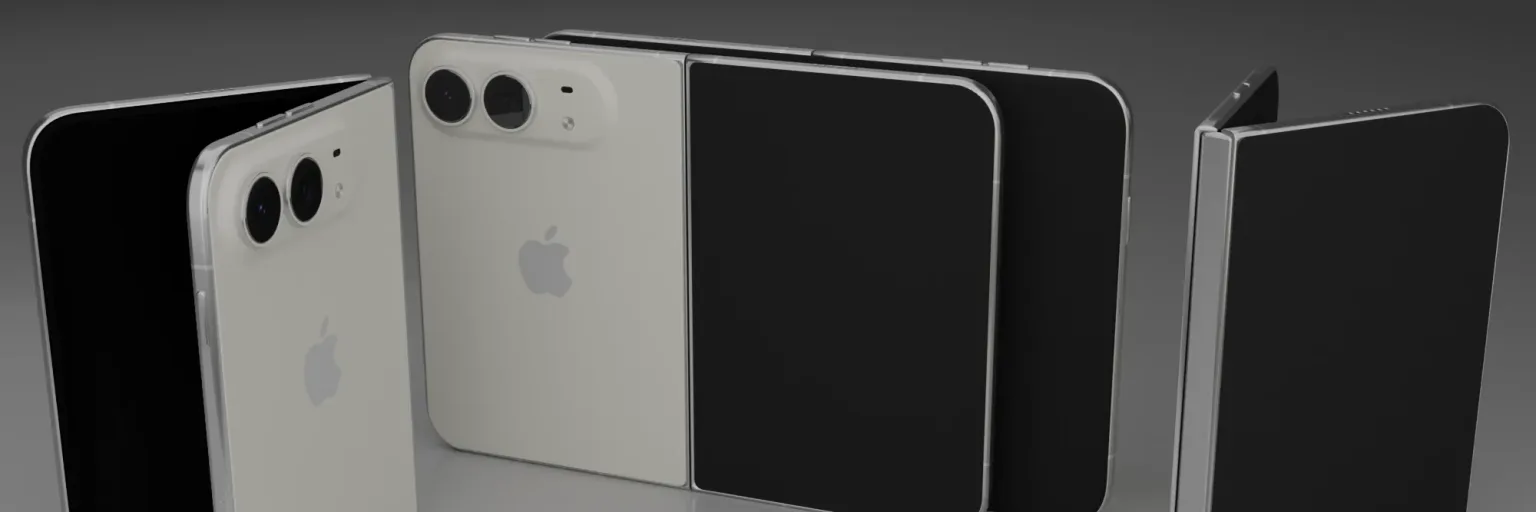
Apple's iPhone Duo: A $1,999 Statement, Not Just a Smartphone
Apple's audacious pricing for the new iPhone Duo confirms its strategy of banking on brand prestige and innovative hardware to captivate a loyal, premium market, solidifying its position at the luxury forefront.