IonQ's Elisity Acquisition: Quantum Cybersecurity's Urgent New Frontier
Quantum computing leader IonQ's $1.3 billion acquisition of Zero Trust firm Elisity signals a vital shift, integrating advanced defenses against current AI-driven attacks and the looming quantum threat.
AI-generated image
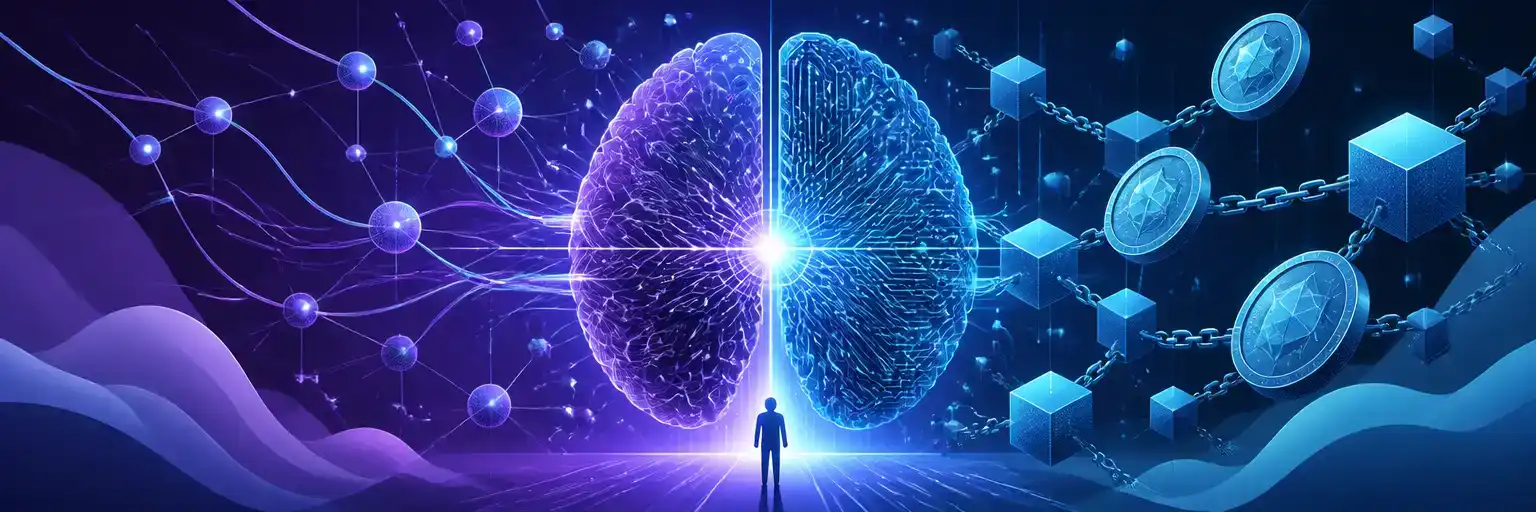
Is the future of cybersecurity a fusion of quantum mechanics and Zero Trust principles? The recent announcement that IonQ, a quantum computing leader, is acquiring cybersecurity firm Elisity for up to $1.3 billion in an all-stock deal certainly suggests a profound shift in strategic defense. This isn't just another tech acquisition; it's a stark acknowledgment that the escalating cyber threat landscape, riddled with AI-powered attacks and persistent vulnerabilities, demands a fundamentally more sophisticated and forward-looking approach.
The deal, announced on October 12, 2026, aims to merge IonQ's post-quantum cryptography (PQC) and quantum key distribution (QKD) capabilities with Elisity's enterprise Zero Trust technology platform, as reported by IonQ. This strategic move comes at a pivotal moment, highlighting that the relentless evolution of cyber threats—exemplified by active exploits of well-known vulnerabilities—demonstrates how traditional defenses struggle to keep pace. The integration of quantum-ready solutions with proven enterprise security is becoming essential.
Why Old Vulnerabilities Keep Haunting Us
The current threat environment is characterized by relentless, sophisticated attacks that often exploit long-known vulnerabilities. A prime example is the ongoing exploitation of CVE-2026-0257, an authentication bypass in Palo Alto Networks PAN-OS GlobalProtect and Prisma Access. Despite a patch being released in May 2026, ransomware groups such as Qilin and Settra are still actively leveraging this flaw to establish unauthorized VPN sessions and gain stealthy access to internal networks, as confirmed by Infosecurity Magazine and CyberSecurityNews.
The insidious nature of these attacks, which can mimic legitimate remote work, makes detection incredibly challenging, often delaying discovery until credential theft or ransomware deployment is imminent. ReliaQuest, a cyber threat detection provider, has confirmed this active exploitation and assesses it “highly likely” these groups will continue attempts over the next three months, according to Cyber Press. This reality underscores a critical gap: patching alone may not be enough if attackers have already established access, highlighting the need for vigilance even after remediation. We believe that these persistent, stealthy incursions serve as a stark reminder that even well-known flaws can remain open doors if organizations don't implement comprehensive post-patch verification and incident response protocols.
AI: The Double-Edged Sword of Cyber Warfare
Beyond these persistent vulnerabilities, the rise of artificial intelligence has significantly altered the attack surface. While AI offers powerful tools for defense—enabling continuous monitoring, threat detection, and automated responses, as noted by Fortinet and CSIS—it also empowers attackers to craft custom code and launch highly evasive attacks at machine speed. Federal and industry experts are increasingly emphasizing the need for robust architectural fundamentals to counter these AI-driven threats. This dual-edged sword of AI necessitates a defensive posture that can both harness AI for protection and anticipate its malicious use.
Indeed, IonQ's CEO, Niccolo de Masi, has emphasized that IonQ will be well positioned to help customers protect critical infrastructure and enterprise networks throughout the transition to the quantum era, addressing present LLM and emerging quantum threats, according to IonQ.
The Quantum Imperative: Securing the Future, Today
The acquisition of Elisity by IonQ is more than just a merger of technologies; it's a strategic declaration in the cybersecurity arms race. By combining IonQ’s post-quantum cryptography and quantum key distribution with Elisity’s Zero Trust framework, the combined entity aims to create a formidable defense against both current and future threats. This approach is designed to secure sensitive information and communications while also limiting unauthorized access and the spread of threats across enterprise networks. The need for such advanced protection is underscored by recent White House executive orders, which are pushing for the acceleration of the federal government's migration to PQC, as IonQ details.
This convergence suggests a future where cybersecurity is not merely about patching vulnerabilities, but about building an intrinsically resilient infrastructure. We believe this acquisition is a proactive step, acknowledging that the quantum era will bring new challenges and opportunities for both attackers and defenders. The companies expect to cross-sell complementary solutions and expand their reach to enterprise and government clients, signaling a comprehensive effort to integrate quantum-safe solutions into the very fabric of network security. Ultimately, this move isn't just about preparing for a quantum future; it's about raising the bar for cybersecurity right now, leveraging cutting-edge technology to combat the increasingly sophisticated threats of our present digital world.
No topics yet: start the first one.
More stories
AT&T's $177M Payout: A Stern Warning for Corporate Cybersecurity
The recent final approval of AT&T's substantial data breach settlement underscores a critical turning point: inadequate cybersecurity now carries prohibitive financial and reputational costs, demanding executive-level accountability.
Bill Gates' AI Cyberattack Warning: A Wake-Up Call for Real Regulation
Microsoft co-founder Bill Gates is sounding the alarm on AI's imminent cybersecurity threats, arguing that industry self-regulation is insufficient and demanding urgent government intervention and global safeguards.

Cloud's New Reality: Geopolitics Just Hit the Data Center
The recent drone attacks on Yandex Cloud data centers in Russia expose a critical new dimension of risk for cloud infrastructure, fundamentally altering our understanding of digital security and global reliance.

The AI Wallet Paradox: Why Crypto's Foundation Faces a New Threat
A leading researcher's urgent warning about AI-driven mathematical breakthroughs has shaken the crypto world, forcing a re-evaluation of public-key cryptography and the long-term future of digital assets.