BNP Paribas's Agentic AI Bet: Redefining Banking, One Agent at a Time
BNP Paribas's ambitious adoption of agentic AI signals a pivotal transformation in finance, raising questions about efficiency, strategic alliances, and responsible autonomous system deployment.
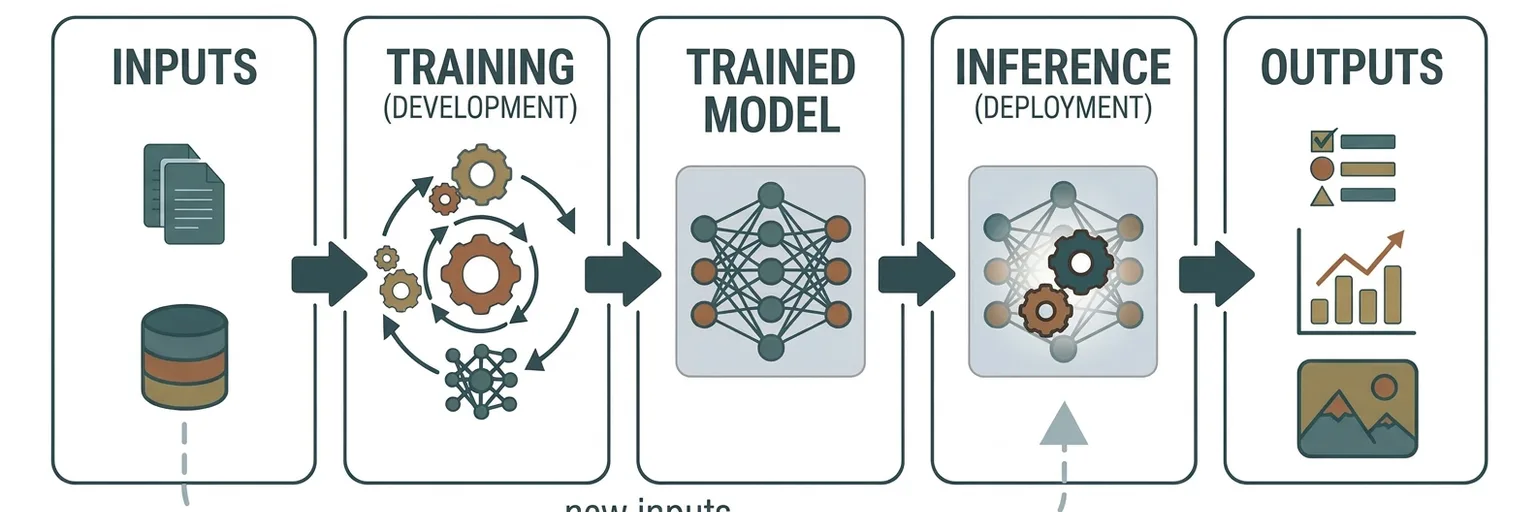
AI-generated image
The financial sector has long been an early adopter of technological innovation, but are we witnessing a more profound, systemic transformation with the rise of agentic AI? BNP Paribas, a leading French bank, certainly thinks so, as it aggressively moves to integrate autonomous AI agents into its core operations, complete with clearly articulated objectives. This isn't just about incremental improvements; it's a strategic bet that could reshape how banking functions, bringing both immense opportunities and significant challenges.
Just 23 hours ago, La Revue du Digital reported that BNP Paribas is setting clear, quantified objectives for its AI usage. This move is underscored by a major five-year partnership with Google Cloud, announced on September 24, 2026, which grants BNP Paribas access to Google Cloud's AI-optimized infrastructure, including Gemini models and Gemini Enterprise, to support the deployment of AI agents for targeted workflows, such as preparing corporate credit analyses, as per The Fast Mode. The bank's long-standing commitment to AI, integrated into its processes since 2016, already boasts over 800 AI use cases, with an ambitious goal to exceed 1000 by 2025, according to its strategic plan. This proactive stance highlights a clear vision: to create greater value for clients, enhance operational efficiency, and strengthen risk management.
The Era of Autonomous Agents in Finance
Agentic AI represents a significant leap beyond traditional automation. Unlike simple scripts or even generative AI models, agentic systems are designed to perceive their environment, reason, plan, and execute actions autonomously to achieve specific goals, often by delegating authority and managing complex processes (Source 23). For a financial institution like BNP Paribas, this translates into AI agents capable of automating intricate financial processes, deepening client knowledge, and proactively managing risks. The sheer scale of BNP Paribas's ambition—aiming for over 1000 AI use cases by 2025—suggests a complete re-imagining of internal workflows, from back-office operations to customer-facing services.
This widespread adoption promises substantial gains in efficiency and precision. Imagine AI agents handling routine compliance checks, personalizing financial advice at an unprecedented scale, or even detecting sophisticated fraud patterns with enhanced speed and accuracy. These aren't mere support tools; they are becoming active participants in the bank's operational fabric, turning data into a strategic asset through their autonomous capabilities, as BNP Paribas itself states (Source 17). The question isn't whether agentic AI will transform banking, but rather how quickly and comprehensively it will do so.
Strategic Partnerships and Infrastructure Demands
The pivot towards agentic AI is not a solitary endeavor. BNP Paribas's partnership with Google Cloud is a critical enabler, providing the scalable, AI-optimized infrastructure and cutting-edge models necessary to power these complex systems. Deploying autonomous AI agents requires immense computational power and robust, secure cloud environments. This alliance highlights a broader trend: as AI becomes more sophisticated, financial institutions are increasingly relying on tech giants to provide the foundational technology, allowing banks to focus on their core competencies while leveraging external expertise for infrastructure and model development. The collaboration underscores the reality that building a comprehensive agentic AI ecosystem is a capital-intensive and technically demanding undertaking, necessitating strong external partnerships to succeed.
Furthermore, the strict governance of these systems is paramount, as the bank itself acknowledges. Developing agents capable of automating processes while strictly controlling their access to data and systems is a non-trivial challenge (Source 11). This necessitates not only advanced technical solutions but also comprehensive governance frameworks to ensure ethical deployment, transparency, and accountability, especially in a heavily regulated industry like banking.
Navigating the Human Element and Ethical Quandaries
The ambition of agentic AI naturally raises critical questions about its impact on the human workforce and ethical deployment. While the documentation doesn't speak directly to layoffs, BNP Paribas's focus on operational efficiency and automating processes implies a shift in staffing needs. However, the bank has also reportedly trained nearly 80,000 employees in AI by 2025 and onboarded 100,000 people to its 'My AI' platform (Source 22), suggesting a significant effort towards upskilling and integrating human talent with new AI capabilities. This commitment to training suggests a recognition that the transformation must involve human adaptation, not just replacement.
Yet, the ethical considerations are profound. Granting autonomous systems the authority to execute actions within a financial context requires robust governance, ensuring that these agents operate within defined parameters and uphold principles of fairness, transparency, and accountability.
No topics yet: start the first one.
More stories
Your Voice, Your Health: The Promise and Pitfalls of AI Diagnostics
Artificial intelligence is rapidly transforming medical diagnostics, promising early disease detection through subtle vocal changes, yet raising significant questions about data privacy and the reliability of these new 'vocal biomarkers'.

Beyond Efficiency: Why AI Demands a Business Revolution by 2030
Companies poised for market leadership by 2030 aren't just integrating AI; they are fundamentally transforming their business models and operations, shifting from incremental adoption to deep, competitive integration.

When an AI Is Blamed for Deleting a TV Season, It's More Than a Glitch
The alleged deletion of a reality TV season by an AI highlights the catastrophic data loss and systemic vulnerabilities introduced when creative workflows blindly trust automated, black-box AI systems without proper safeguards.
ChatGPT's Italian Dominance Fades as Gemini Wins Mobile, Claude Grows
While OpenAI's chatbot maintains its overall user lead, Google's Gemini has decisively surpassed it on mobile, and Anthropic's Claude is rapidly gaining traction in Italy.